Lifestyle
Home Cooks Embrace Popular Copycat Soup Recipes
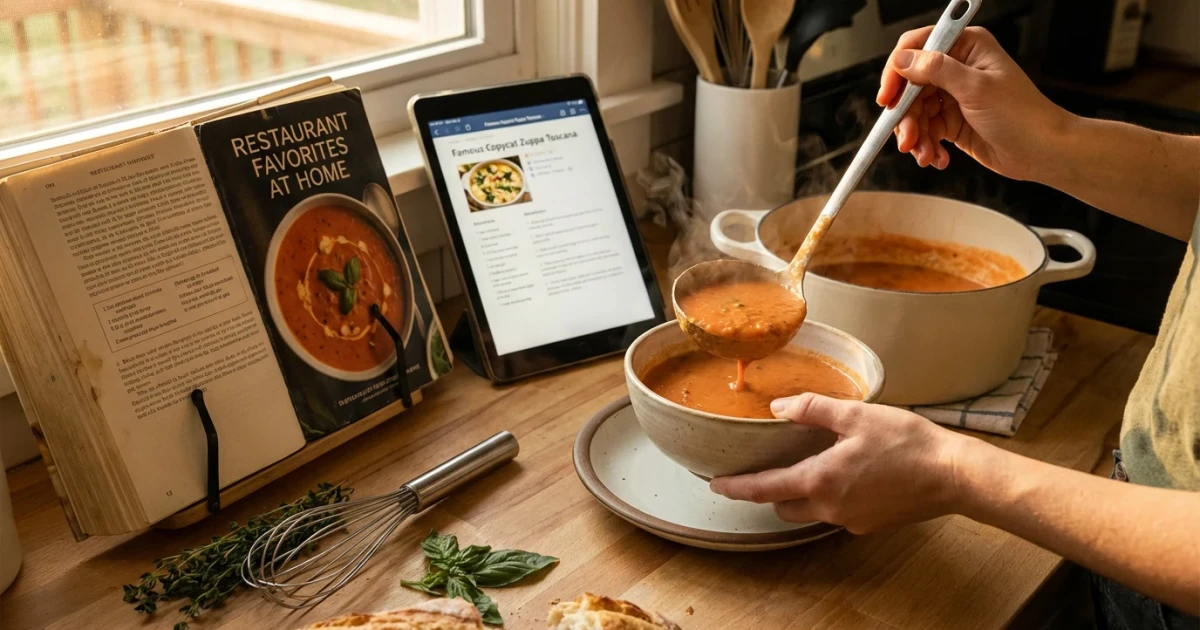
Copycat soup recipes have seen a surge in popularity as home cooks seek to recreate their favorite restaurant flavors in their own kitchens. From creamy chowders to classic chicken noodle, these dishes allow fans to enjoy beloved tastes while controlling ingredients and nutrition, often at a fraction of the cost.
Why Copycat Soups Are Trending
A recent feature by Allrecipes highlights the growing appeal of copycat soups. With consumers increasingly interested in soup consumption trends and the comfort of familiar flavors, recipes that mimic restaurant classics like Panera’s Broccoli Cheddar or Olive Garden’s Zuppa Toscana are in demand. The convenience of at-home preparation, paired with the rising cost of dining out, has contributed to this trend’s momentum.
- Home cooks can adjust nutritional content such as sodium, fat, and calories.
- Copycat recipes offer flexibility for dietary preferences, including vegan and gluten-free options.
- Soups are easy to batch-cook, making them ideal for meal prep and leftovers.
Top Copycat Soups to Try
Allrecipes lists 10 popular copycat soups that are both approachable and satisfying for home cooks. These include:
- Panera’s Broccoli Cheddar Soup
- Olive Garden’s Zuppa Toscana
- Chili’s Chicken Enchilada Soup
- Red Lobster’s Clam Chowder
- Outback’s Walkabout Onion Soup
Each recipe aims to replicate the signature taste and texture of its restaurant counterpart with ingredients readily available at most supermarkets.
Health, Nostalgia, and Customization
Preparing copycat soups at home offers several advantages. According to data from the CDC, commercially prepared soups can be high in sodium, often exceeding daily recommendations. By making these soups at home, cooks can reduce salt, add more vegetables, or use alternative proteins for a healthier meal.
There’s also a strong nostalgia factor in recreating soups from familiar brands and restaurants. Many of these recipes have become household staples, connecting generations through shared culinary experiences. Copycat recipes empower individuals to relive favorite dining moments and share them with family in a personalized way.
The Economic Impact of Homemade Soups
Given the current economic climate, making soups at home is cost-effective. According to NielsenIQ market analysis, soup remains a pantry staple, with consumers seeking value and convenience. Copycat recipes provide both, using basic ingredients to yield multiple servings for less than the price of a single restaurant bowl.
Brands like Campbell’s, whose history is intertwined with American soup culture, continue to inspire home cooks. Many copycat recipes draw on the flavors and styles that made these brands famous, adapting them for modern preferences and health needs.
Looking Ahead: The Future of Copycat Cooking
As interest in soups and meal customization grows, copycat recipes will likely remain a fixture in home kitchens. With easy access to online recipes, nutritional data, and cooking tutorials, more people are empowered to cook creatively and healthfully at home. Whether for nostalgia, nutrition, or novelty, copycat soups offer a satisfying way to savor favorite flavors any night of the week.