Politics
Homeland Security Department Halts Operations Amid Budget Talks
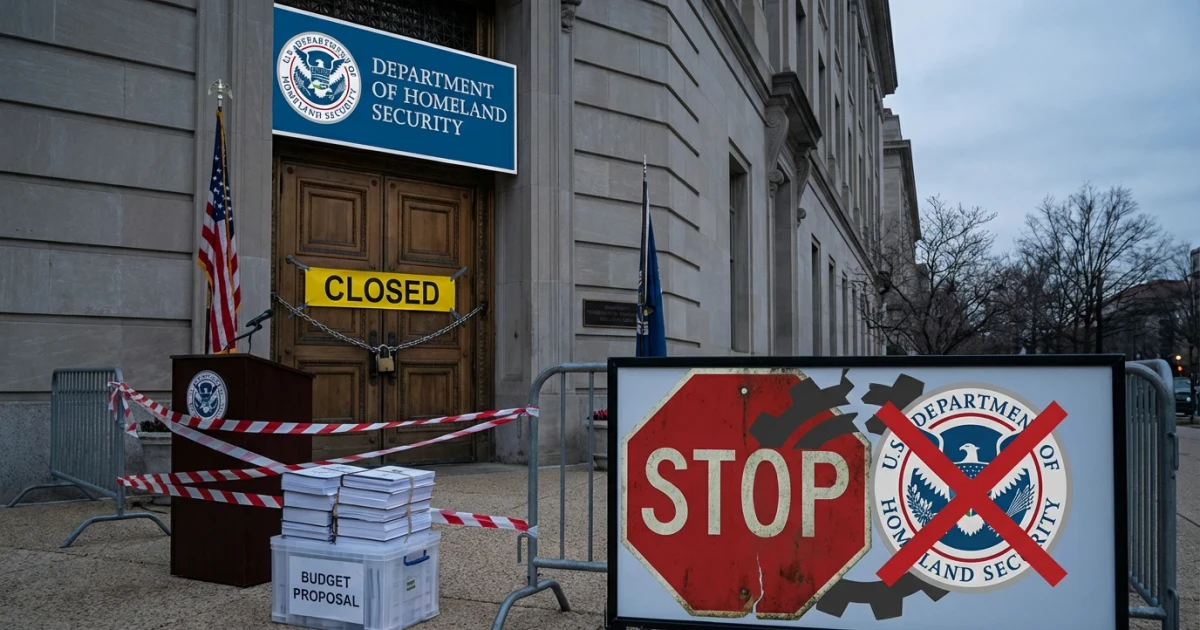
The Department of Homeland Security (DHS) has officially shut down as ongoing negotiations between Democratic leaders in Congress and former President Donald Trump have stalled efforts to agree on the agency’s funding and structural changes. The shutdown marks a significant disruption to one of the nation’s largest federal departments, touching border security, immigration services, and critical infrastructure protection.
Background on the Shutdown
DHS, which oversees a wide range of security and public safety responsibilities, is no stranger to political disputes over its funding. The latest shutdown follows a lapse in appropriations as lawmakers and Trump’s team debate the scope and direction of new policy reforms. According to Congressional Research Service analysis, federal funding gaps have led to multiple government shutdowns in recent decades, with DHS frequently at the center due to contentious issues like border security and immigration enforcement.
Impacts on Agency Operations and Employees
The shutdown has immediate implications for DHS’s 245,000-strong workforce, making it one of the largest affected groups in the federal government. Essential personnel such as Border Patrol agents, Transportation Security Officers, and cybersecurity analysts are classified as "excepted" and must continue working without pay, while tens of thousands face furloughs in accordance with OPM furlough guidance.
- Essential services remain in operation, but many support and administrative functions are suspended.
- Paychecks for all impacted employees are delayed until new funding is approved.
- Previous shutdowns have led to backlogs in processing immigration benefits, delays at airports, and strained law enforcement resources.
Key Issues in Negotiations
At the heart of the standoff are proposed changes to agency policy and structure. While details remain closely held, reporting from NBC News highlights that Democrats are pushing for increased oversight and reforms to immigration enforcement, while Trump and his allies seek to maintain or expand existing powers. Both sides are seeking leverage as they try to shape the future of DHS operations before agreeing to a new funding bill.
The legislative vehicle for resolving the impasse is a new appropriations package, similar to the Consolidated Appropriations Act of 2019, which ended previous shutdowns and set terms for DHS funding. Until an agreement is reached, the shutdown is poised to continue, compounding operational and financial challenges for the agency and its employees.
Wider Ramifications and Next Steps
The effects of the shutdown extend beyond government workers. Delays in immigration processing can impact families, employers, and legal residents nationwide. Increased stress on border operations and reduced administrative capacity can also hamper the government’s ability to respond to emergencies and threats.
According to a Government Accountability Office analysis of the 2018–2019 shutdown, the DHS experienced significant operational slowdowns, financial losses, and diminished morale among staff. If the current impasse persists, experts warn that these issues may be repeated or exacerbated.
What Comes Next?
As negotiations continue, all eyes remain on Capitol Hill and Trump’s negotiating team for signs of progress. For now, DHS employees and those who rely on the agency’s services face uncertainty. The situation highlights the high stakes of federal budget negotiations, especially when national security and public safety are involved.
For readers interested in exploring the history and mechanics of federal shutdowns, the Congressional Research Service provides a comprehensive background, while official DHS budget documents are available for review on the DHS website.
Whether this shutdown proves brief or prolonged, the resolution will have lasting consequences for the agency’s future direction and the country’s approach to homeland security.