Politics
Homeland Security Shutdown Continues Amid Funding Uncertainty
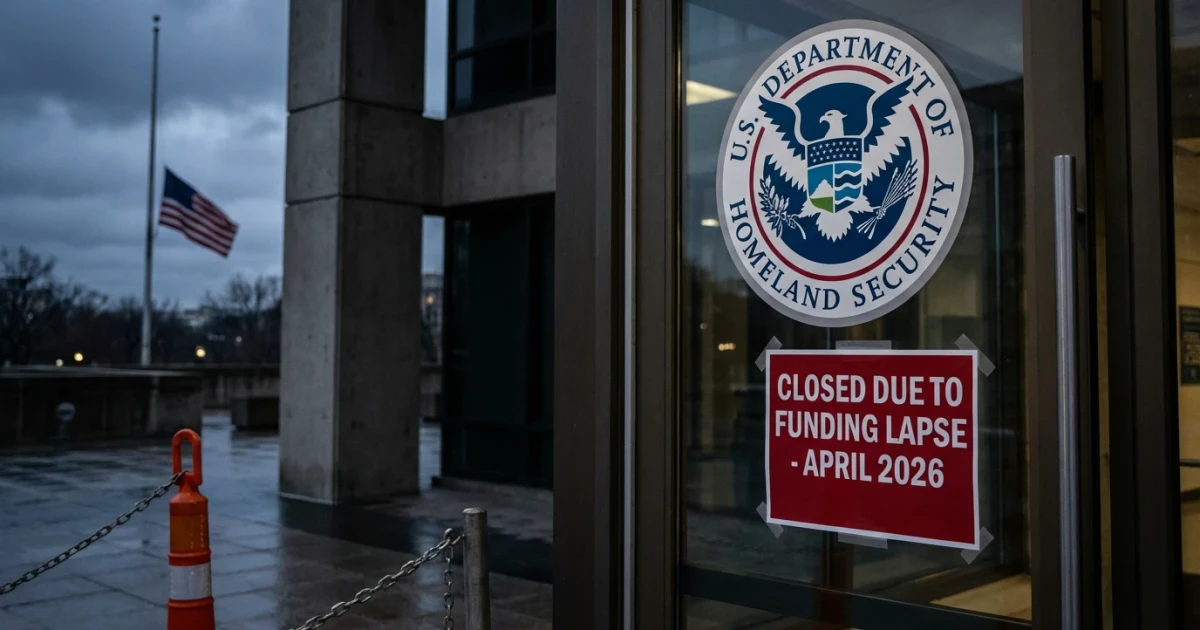
The Department of Homeland Security (DHS) continues to face a protracted shutdown, despite recent passage of a funding bill in the Senate. The prolonged funding gap has left critical operations in limbo and heightened concerns about the nation’s security infrastructure.
Senate Approves Funding, But Shutdown Persists
As reported by Al Jazeera, the US Senate advanced a bill designed to restore funding to the DHS. However, administrative hurdles and unresolved political disagreements have prevented the measure from taking immediate effect. While the Senate’s move signals some legislative progress, the shutdown remains in place, with no clear timeline for resolution.
Impact on Homeland Security Operations
- Essential services, such as border security and emergency response, continue with limited staffing, but non-essential operations have been paused.
- According to official DHS budget data, the agency is responsible for a broad range of security programs, all of which are affected by funding interruptions.
- Past shutdowns have led to delays in training, maintenance, and modernization efforts, as noted by the Government Accountability Office.
Federal Workers and Public Services Affected
The shutdown’s impact is felt most acutely by the thousands of federal employees within DHS agencies. While staff deemed essential remain on duty, they often work without pay until appropriations are renewed. Data from federal employment statistics indicate that DHS employs over 240,000 personnel, including TSA officers, Border Patrol agents, and emergency management staff.
- Morale and financial stability for affected workers are persistent concerns.
- Public-facing services, such as passport control and disaster assistance, may experience delays or reduced capacity.
Legislative and Budgetary Background
The shutdown stems from a lapse in appropriations, a recurring challenge in the federal budget process. The official text of the DHS funding bill (H.R.4366) outlines proposed allocations for fiscal year 2024-2025, but inter-chamber negotiations and policy disputes have impeded its enactment.
According to the Congressional Research Service, government shutdowns disrupt agency planning, delay contracts, and add administrative costs, even when they are eventually resolved.
Analysis and Outlook
While the Senate’s passage of the funding bill marks a step forward, the ongoing shutdown underscores the challenges of federal budget negotiations. With critical security functions at stake, pressure is mounting on lawmakers to overcome remaining obstacles and restore full DHS operations. Until the funding impasse is resolved through final legislative action and executive approval, the department’s ability to fulfill its mission remains constrained.