Business
Honda and Sony scrap Afeela EV before first sale
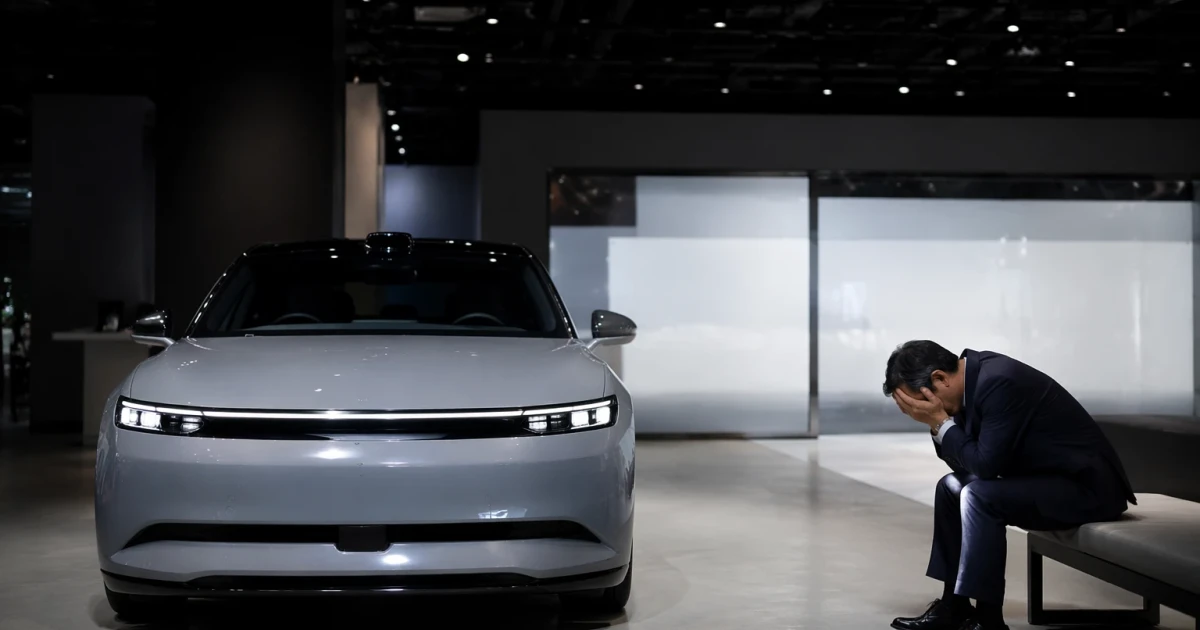
Honda and Sony pulled the plug on Afeela before the first customer car ever left the line, ending a high-profile EV experiment that was designed to blend software, luxury and Japanese engineering into a new brand. Sony, Honda and Sony Honda Mobility said on March 25, 2026 that they were discontinuing development and launch of AFEELA 1 and a second AFEELA model, after Honda reassessed its automobile electrification strategy on March 12, 2026.
The collapse lands as a blunt reality check on one of the auto industry’s favorite assumptions: that a fresh badge, strong technology and premium pricing can overcome the brutal economics of manufacturing. Sony Honda Mobility was created in September 2022, and by CES 2025 the venture was already talking like a serious car company. AFEELA 1 was shown off with California online reservations opening on Jan. 6, 2025, prices starting at $89,900, a $200 refundable reservation fee, official sales in California anticipated in 2025 and deliveries expected in mid-2026. It was to be built at an existing plant in Ohio. None of that survived long enough to become a retail sale.
That makes Afeela part of a long history of automakers trying to create stand-alone subbrands to reach new buyers, especially in luxury, and discovering how hard it is to sustain a separate identity while also funding factories, software, distribution and product cycles. Honda’s Acura showed the formula can work when the execution is disciplined: launched on March 27, 1986 as what Honda called the first Japanese luxury brand in the United States, it started with 60 dealers in 18 states and sold 52,869 units in its first year. Toyota’s Scion, by contrast, was wound down in 2016 after sales weakened and the brand became harder to support on its own.

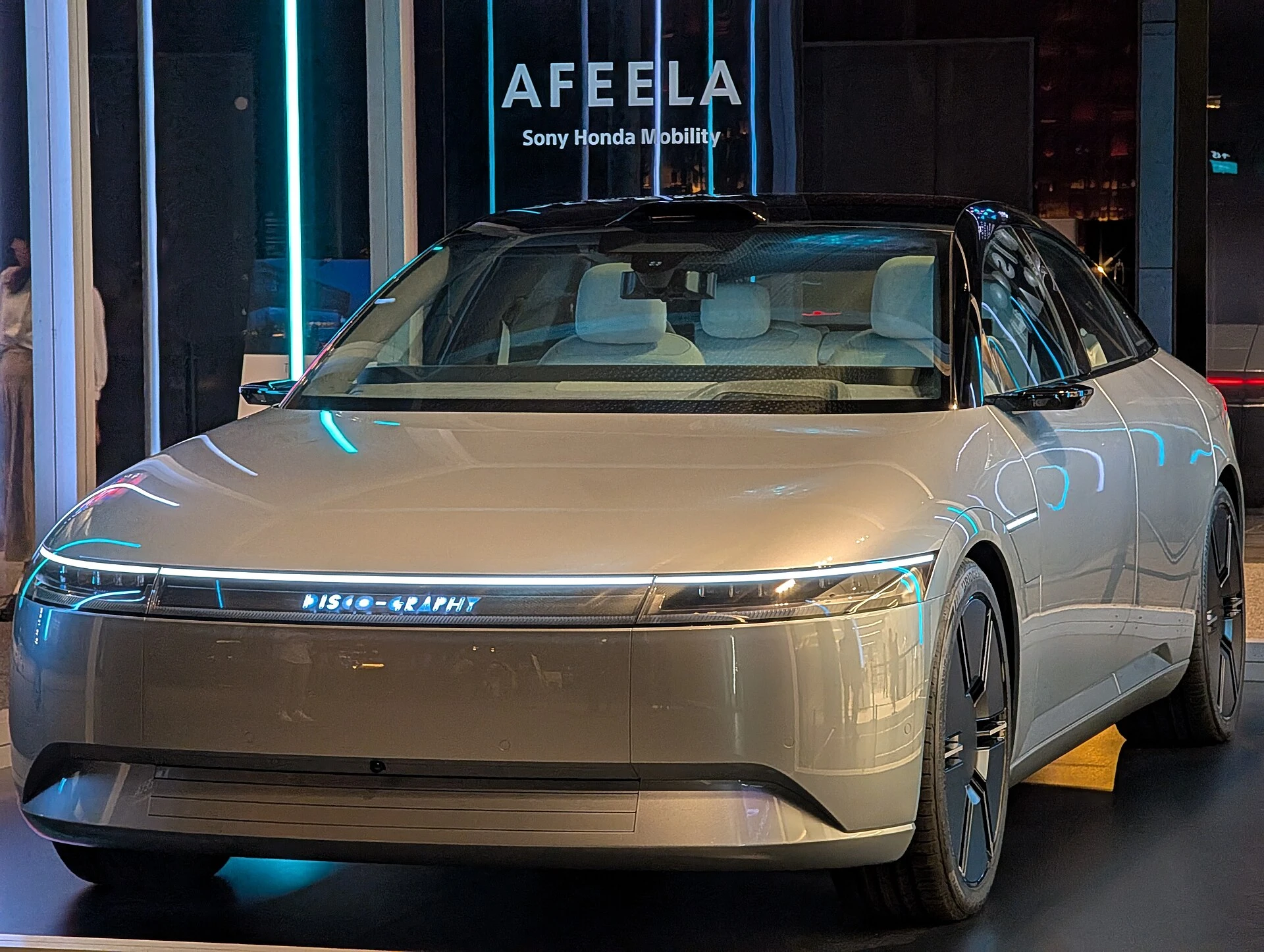
The rare modern bright spot is Genesis. Backed by Hyundai Motor Group, it surpassed Infiniti in U.S. sales in 2025 and topped 82,000 units, a reminder that a clear premium position can still gain traction when the product cadence and brand story hold together. But Afeela also shows the fragility of these bets when corporate strategy shifts. Honda has chosen to lean into its own 0 Series, including the 0 SALOON and 0 SUV shown at CES 2025, with production versions due to begin arriving in 2026 and ASIMO OS as the software platform. Honda has also said that, because of product timing changes and a market slowdown, its global EV sales ratio in 2030 is now expected to fall below its earlier 30 percent target. The message is stark: in the EV era, prestige alone does not make a car company. Scale, timing and manufacturing discipline still decide who survives.
Sources
- [1]nytimes.com
- [2]global.honda
- [3]sony.com
- [4]shm-afeela.com
- [5]hondanews.com
- [6]cars.com
- [7]autos.yahoo.com