Business
Honda retirees failed in bid to oust CEO Mibe over strategy
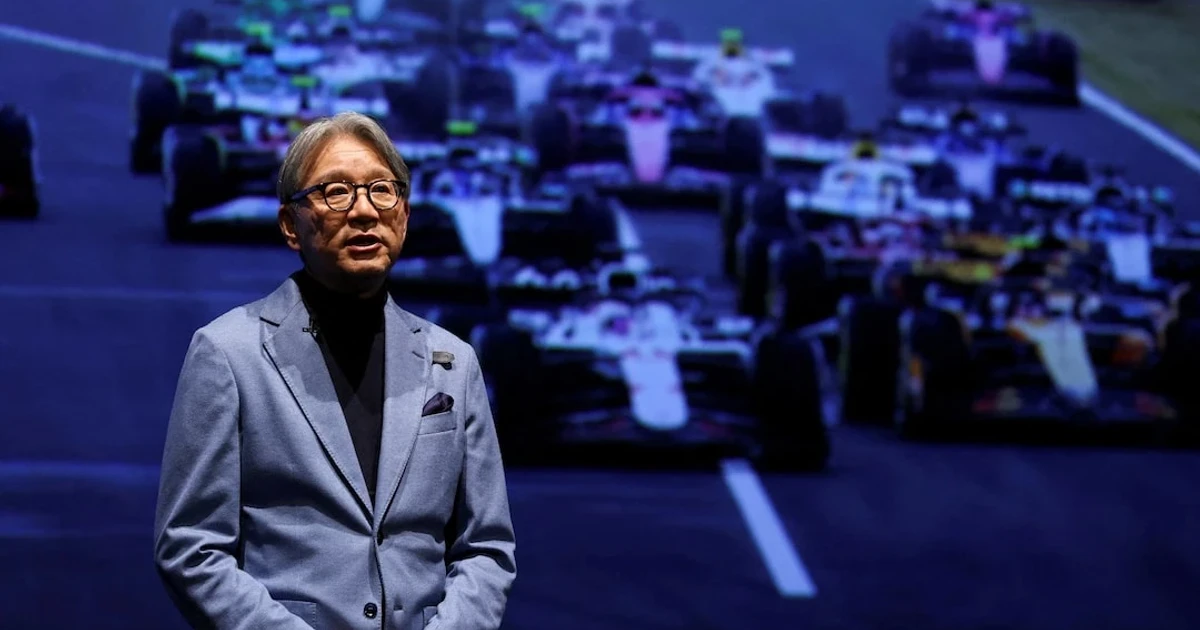
Honda’s old guard spent months trying to force out Chief Executive Toshihiro Mibe, a private revolt that exposed how sharply the company’s strategy has divided its own leadership. Former executives held meetings, exchanged text messages and met over meals as they argued that Mibe had misread the market, especially by falling behind in China and betting too heavily on electric vehicles.
The retirees believed those choices could leave Honda facing its first annual loss in seven decades. Their frustration was so deep that former chief executive Nobuhiko Kawamoto went to Honda’s Tokyo headquarters and told Mibe to resign. Mibe did not budge, and the campaign ultimately failed, leaving him in place as Honda tries to navigate one of the most difficult transitions in its history.
The fight is about more than one executive. Honda is being pushed by Chinese competitors, squeezed by U.S. tariffs and forced to rethink how quickly it should move away from combustion engines. Japanese consumers have shown limited enthusiasm for battery-electric cars, even as automakers pour money into batteries, software and new supply chains. For Honda, that has created a painful split between defending a profitable legacy business and financing an expensive next phase.
Honda’s own numbers show why the old guard’s anger found support inside the company. In fiscal 2025, sales revenue rose 6.2% to 21.69 trillion yen, but operating profit fell 12.2% to 1.21 trillion yen and profit attributable to owners of the parent dropped 24.5% to 835.8 billion yen. In March 2026, Honda said it would cancel development and market launches of three EV models planned for North America and expected losses in the fiscal year ending March 2026, citing pressure from U.S. tariff policy on gasoline and hybrid vehicles and weaker competitiveness in Asia after shifting resources toward EV development.
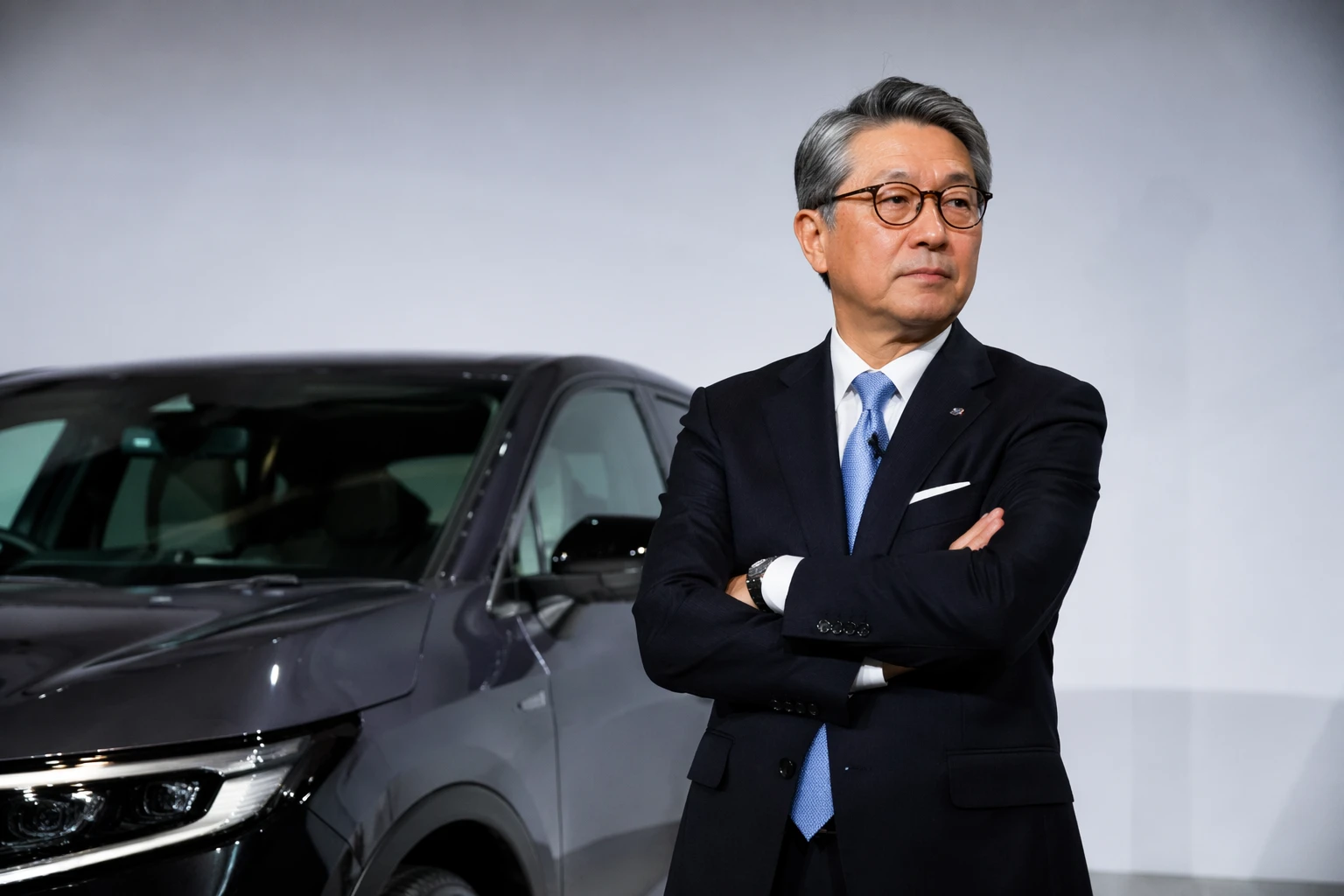
The strain is especially visible in China. Honda’s March 2025 production data showed worldwide output in fiscal 2024 falling 11.7% to 3.64 million units, while production in China sank 34.9% to 760,918 units. That decline has sharpened the strategic debate over whether Honda can still grow in the world’s biggest auto market.
Mibe has tried to answer with a reset. At a May 14 briefing, he said Honda would rebuild its automobile business over the next three years, concentrate resources in priority regions, improve cost efficiency and launch 15 next-generation hybrid models globally by the end of fiscal 2030. Honda said it is aiming for more than 1.4 trillion yen in consolidated operating profit in fiscal 2029. The failed ouster showed that the company’s hardest battle is not only against rivals, but against the legacy of the executives who built Honda’s old model and still distrust the leaders trying to replace it.
Sources
- [1]tbsnews.net
- [2]global.honda