Health
Hong Kong pulls AI K-pop anti-drug video after backlash
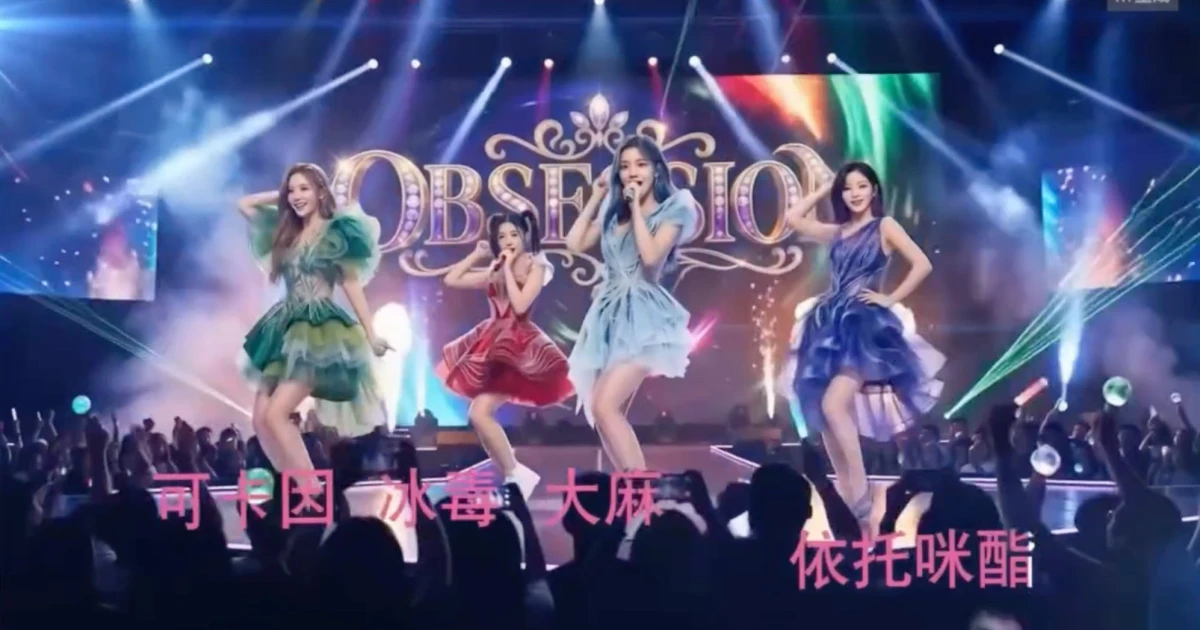
Hong Kong’s Correctional Services Department took down an AI-generated anti-drug video after a backlash that said its K-pop styling made substances look more like promotion than prevention. The clip, titled Obsession: The Sugar-Coated Trap, was uploaded to the department’s Facebook page on June 27 and removed the next day, after a revised version was also pulled.
The video featured four virtual pop idols named Weedy, Icy, Coke and Little E, each meant to represent cannabis, crystal methamphetamine, cocaine and etomidate, the drug commonly called “space oil” in Hong Kong. The characters sang and danced through the production before turning into elderly men and ending with a warning that drugs are extremely harmful and can ruin a life. Instead of landing as a cautionary message, the AI aesthetic drew mockery online, with critics saying it glamorized narcotics.
Senior superintendent Ng Kee-hang said the department’s in-house production team made the video without additional public funds. He said the intent was to reach young people through a pop-culture format familiar to them and said the department would review future productions more carefully and apply more rigorous standards. The episode has become a public test of how far government agencies can push generative AI and youth-focused design before the message collapses under its own styling.
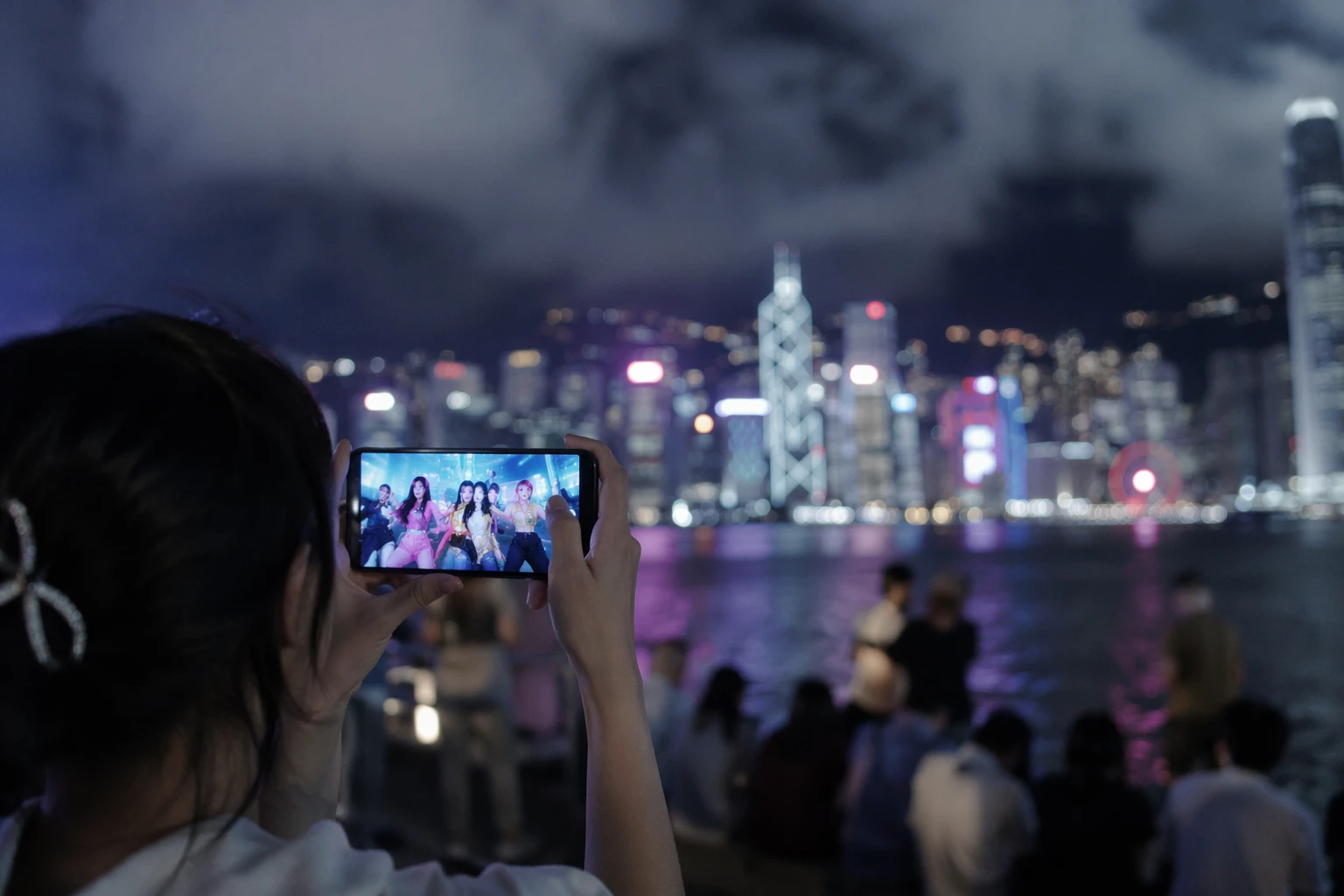
Hong Kong Free Press reported that one backup-video comment called it “the most successful drug advertisement ever in Hong Kong.” The same backup copy drew other sarcastic remarks from viewers who said they wanted to eat a few bites of each character. The reaction underscored the risk of using persuasive aesthetics for public-health messaging when the visual language can overpower the warning.
The controversy followed an earlier anti-drug communications blunder in March, when a railway-station banner appeared to read “take drugs” from some angles. Hong Kong’s police also faced ridicule in 2021 over an anti-drug slogan built around “YOLO,” a phrase usually associated with risky fun. Those missteps have added pressure on the city’s anti-drug agencies as they try to reach younger audiences at a time when etomidate has become a major enforcement and education focus.

The campaign was tied to the International Day Against Drug Abuse and Illicit Trafficking on June 26, 2026, and the United Nations’ 2026 World Drug Day theme stressed persistent drug problems, new challenges and innovative responses. In Hong Kong, the latest backlash has turned a prevention effort into a case study in how public-sector AI can backfire when style outruns scrutiny.
Sources
- [1]bbc.co.uk
- [2]news.rthk.hk
- [3]hongkongfp.com
- [4]thestandard.com.hk
- [5]theonlinecitizen.com
- [6]scmp.com