Business
Hormuz crisis leaves Asia facing lasting energy and inflation shock
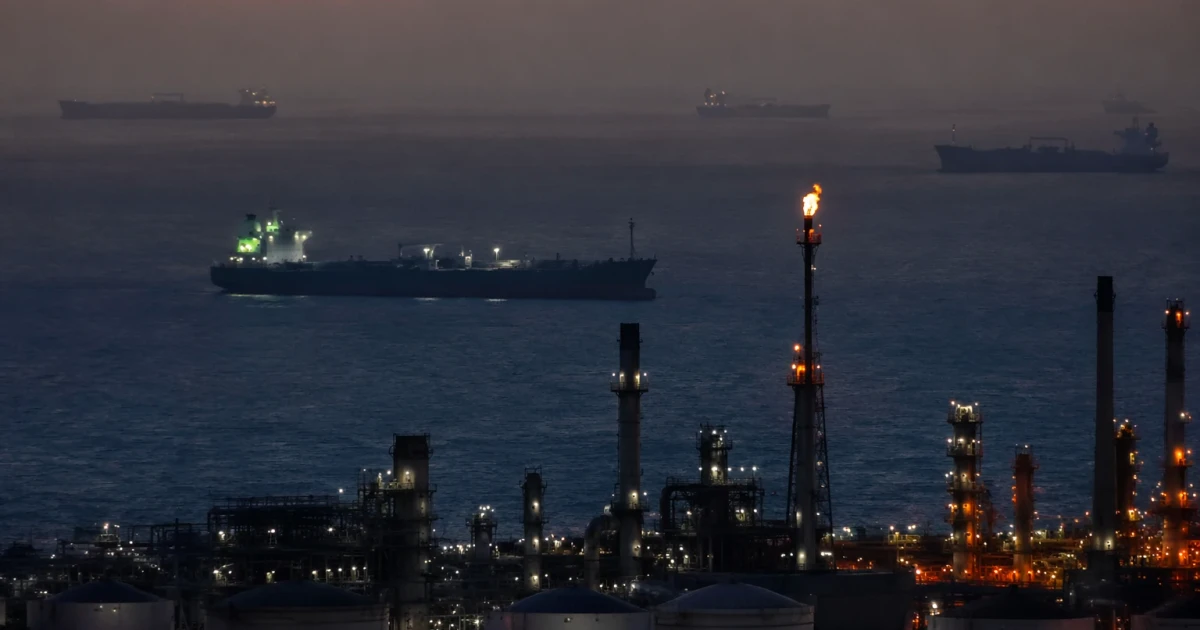
Even if tankers begin moving through Hormuz again, Asia will not get relief quickly. The real damage has already spread through shipping costs, insurance premiums, supply delays and consumer prices, leaving import-dependent economies with a shock that can outlast the crisis itself.
A chokepoint that matters far beyond the Gulf
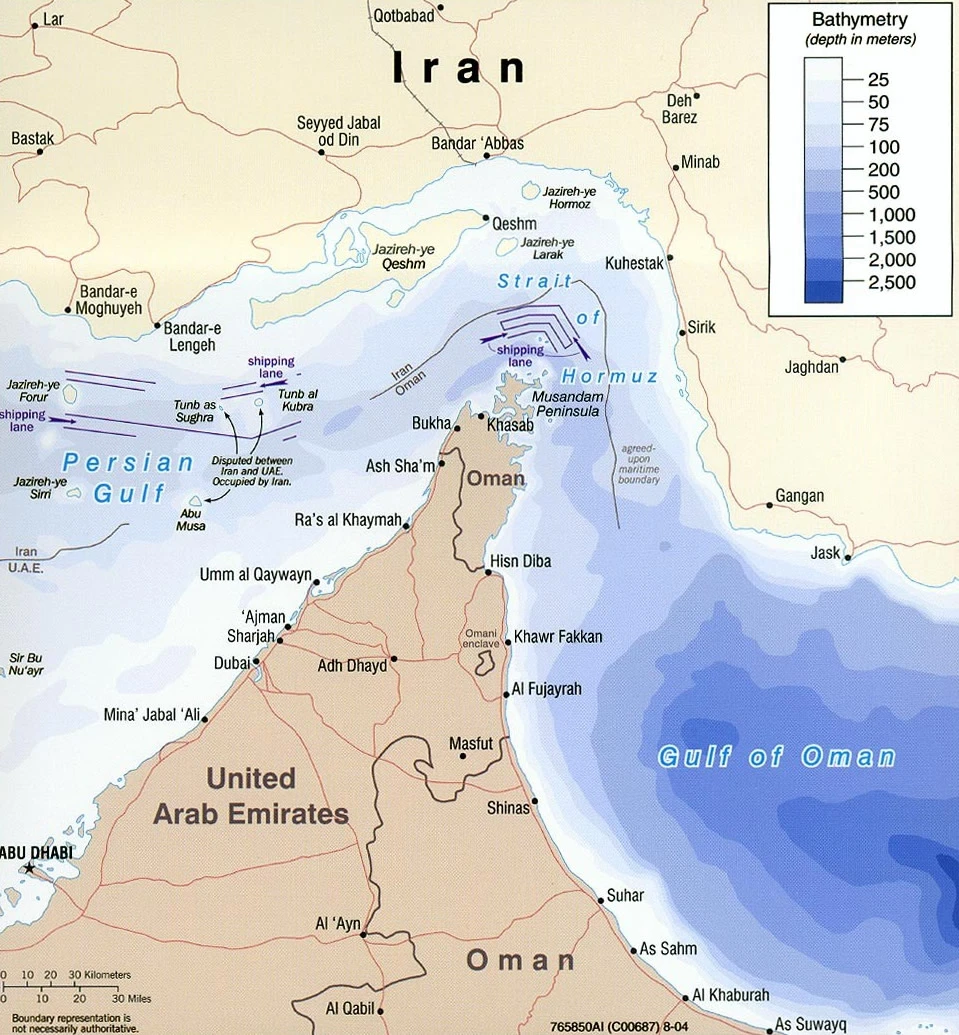
The Strait of Hormuz is not just another shipping lane. Before the latest tensions, it handled roughly one-fifth of global oil supplies, about 20 million barrels a day, along with large volumes of liquefied natural gas and other raw materials. It also links the Persian Gulf to the Gulf of Oman and the wider Arabian Sea, with Iran on one side and Oman and the United Arab Emirates on the other.
That geography is what makes the fallout so hard to contain. Nearly 90% of Asia’s crude oil passes through Hormuz, and China, India, Japan and South Korea alone account for three-quarters of that flow. When traffic through the strait drops, the pressure lands first on refiners, shipping firms and utilities, then quickly on manufacturers and households across the region.
Why reopening will not quickly normalize prices
The central lesson from this crisis is that a waterway can be physically open and still function as if it were closed. Thomson Reuters Institute said the effective closure of Hormuz, driven by insurance withdrawal and risk perception as much as by any physical blockage, has halted roughly 20% of global petroleum flow. In early March 2026, traffic was down at least 80%, with just two to 16 vessels a day moving through a channel that normally handled more than 100 ships daily.
That kind of disruption leaves a long tail. Even if a ceasefire or draft framework reduces immediate danger, ships do not instantly return, insurers do not instantly restore cover, and buyers do not instantly unwind precautionary inventories. Oxford Economics said the Strait could remain effectively closed for weeks even after a ceasefire, with traffic recovering only gradually, and it cut its growth outlook while raising inflation expectations.
The price shock is also showing up in the wider market. South China Morning Post reported that the conflict removed 10 million barrels per day of crude from the market compared with January. That scale of interruption is large enough to tighten supply, lift refining margins and keep energy costs elevated even after vessels start moving again.
Asia’s most exposed economies are already feeling the strain
The exposure is broad, but it is not evenly spread. Large importers such as China, India, Japan and South Korea are the most vulnerable because they depend heavily on uninterrupted Gulf supply. South China Morning Post said nearly 90% of the region’s crude oil was at risk, and market watchers warned that the combination of Hormuz disruption and renewed Houthi attacks on the Suez route created a dual-chokepoint shipping crisis affecting roughly one-third of global seaborne crude trade.
For some economies, the shock is already forcing policy responses. Thai authorities ordered an immediate halt to exports of fuel and other petroleum products after the closure, and said inventories stood at 38 days, below the country’s 60-day reserve target. Singapore’s foreign affairs minister Vivian Balakrishnan called the closure an “Asian crisis,” a blunt description of how quickly a Gulf disruption becomes a regional economic problem.
The strain extends beyond oil. QatarEnergy has faced pre-emptive pauses in LNG production in Qatar, and maritime analysts said the risk premium has pushed shipowners, insurers and major oil companies to pull back from the corridor. When the market starts pricing in rerouting, delays and higher cover, the damage spreads into trade financing and contract renewals, not just spot cargoes.
Inflation is the lagging wound
UN agencies warned in May 2026 that the crisis is driving up energy costs, disrupting trade and worsening jobs and cost-of-living pressures across Asia and other developing regions. The United Nations said global growth is projected to slow to 2.5% in 2026, while East Asia’s growth forecast eased from 5.0% in 2025 to 4.4% in 2026. It also flagged sharp inflation rises in Lao PDR and Pakistan during the crisis period.
That matters because energy shocks rarely stay confined to fuel import bills. Higher shipping and insurance costs feed directly into freight rates, then into the prices of food, industrial inputs and consumer goods. Oxford Economics said world consumer price inflation could peak at 4.4% in the second quarter, underscoring how quickly a maritime disruption can spill into broader price pressure.
The political economy risk is just as important. Reuters-linked analysis from Thomson Reuters Institute said that if disruptions last beyond 30 days, recession risk rises sharply for major importers. That warning is especially relevant for Asia, where many economies are balancing still-sensitive recoveries, narrow household margins and export industries that cannot absorb another round of input-cost inflation easily.
The market has moved from shock to aftershock
One reason this episode may prove more stubborn than a short-lived supply scare is that it has combined two disruptions at once. The Strait of Hormuz has long been one of the world’s most important maritime chokepoints, but analysts described this stretch as the most severe energy supply shock since Russia’s invasion of Ukraine because it hit both oil and logistics at the same time.
UN News said the fragile ceasefire between the United States and Iran may have eased fears of a wider regional war, but persistent instability around Hormuz continues to disrupt global trade, drive up energy costs and fuel a growing jobs and cost-of-living crisis. Al Jazeera reported at least five tankers were damaged, two personnel were killed and about 150 ships were stranded around the strait, a reminder that the damage was not purely theoretical.
That is why reopening is only the first step, not the end of the story. Asia’s economies may eventually see some relief in crude flows and freight rates, but the higher costs already embedded in shipping contracts, insurance markets, refinery margins and consumer prices will take much longer to unwind. For the region’s importers, manufacturers and households, the crisis will be measured not just by the days the strait was disrupted, but by the months it takes for the shock to fade.
Sources
- [1]nytimes.com
- [2]news.un.org
- [3]thomsonreuters.com
- [4]scmp.com
- [5]aljazeera.com
- [6]ajupress.com
- [7]gulfnews.com