World
Hormuz shipping recovery stalls after first attack under ceasefire
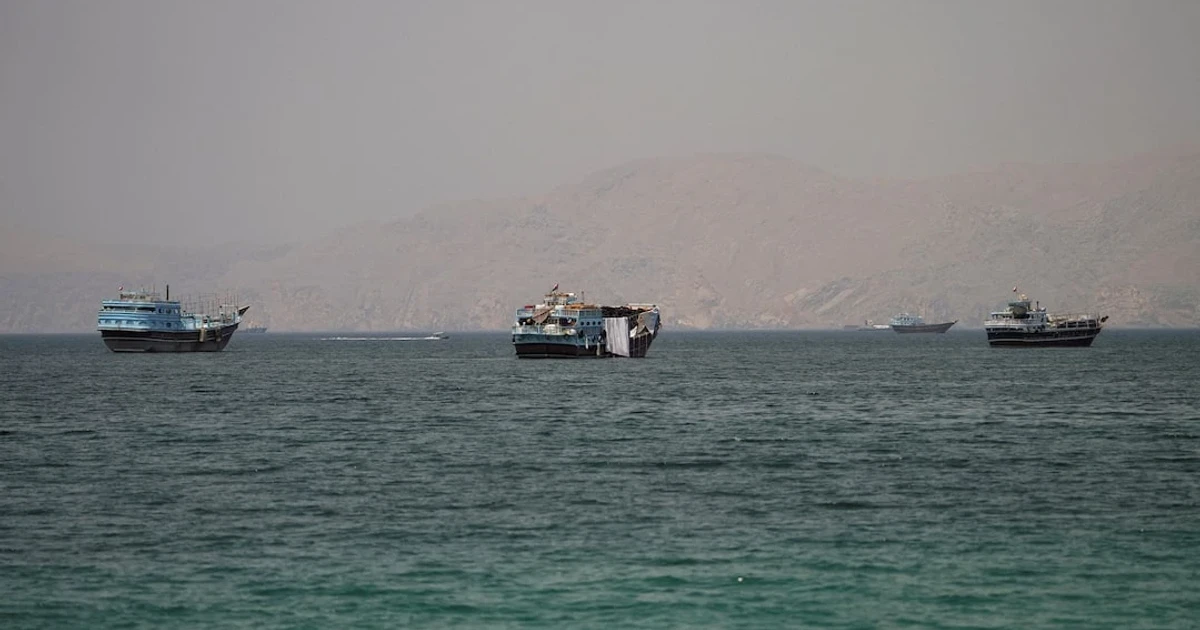
A new attack on a vessel near Oman jolted shipping through the Strait of Hormuz just as tanker traffic was beginning to recover after the June 17 U.S.-Iran interim peace deal, a fresh hit to oil prices, war-risk insurance and supply chains that reach American drivers and businesses. The setback landed after a week in which the waterway had posted its busiest traffic since the war began.
On June 23, at least 37 commodity carriers crossed the strait in a single day, the highest level since fighting began in late February. Three stranded supertankers also moved through, and seven empty Qatar-linked LNG tankers had entered in recent weeks as operators tried to clear vessels that had been stuck on both sides of the passage.
Kpler data showed oil shipments through Hormuz rising to about 4.8 million barrels a day after the deal, but that was still far below the roughly 15 million barrels a day that moved before the war. In the days after the conflict erupted, more than 550 ships were stranded on either side of the strait, and at least 20 tankers that had been stuck in the Persian Gulf for more than three months finally exited the choke point.
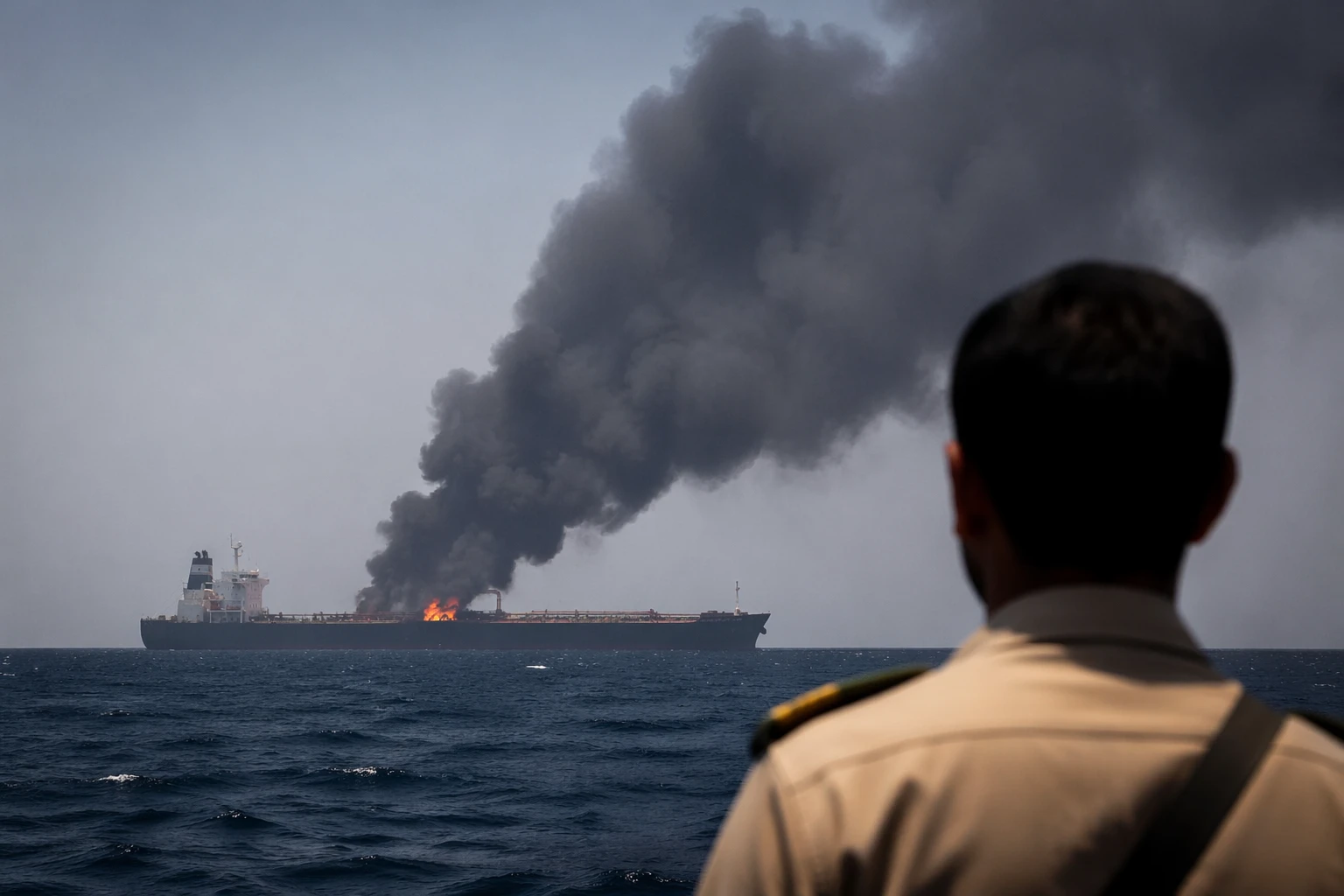
The rebound was shaken again on June 25, when the International Maritime Organization paused its Gulf evacuation plan after an attack on the Evergreen container ship near Oman. Iran’s military then warned vessels not to use the southern route without Iranian approval, sharpening the dispute over who controls passage through the Strait of Hormuz and leaving traffic moving only at a trickle.
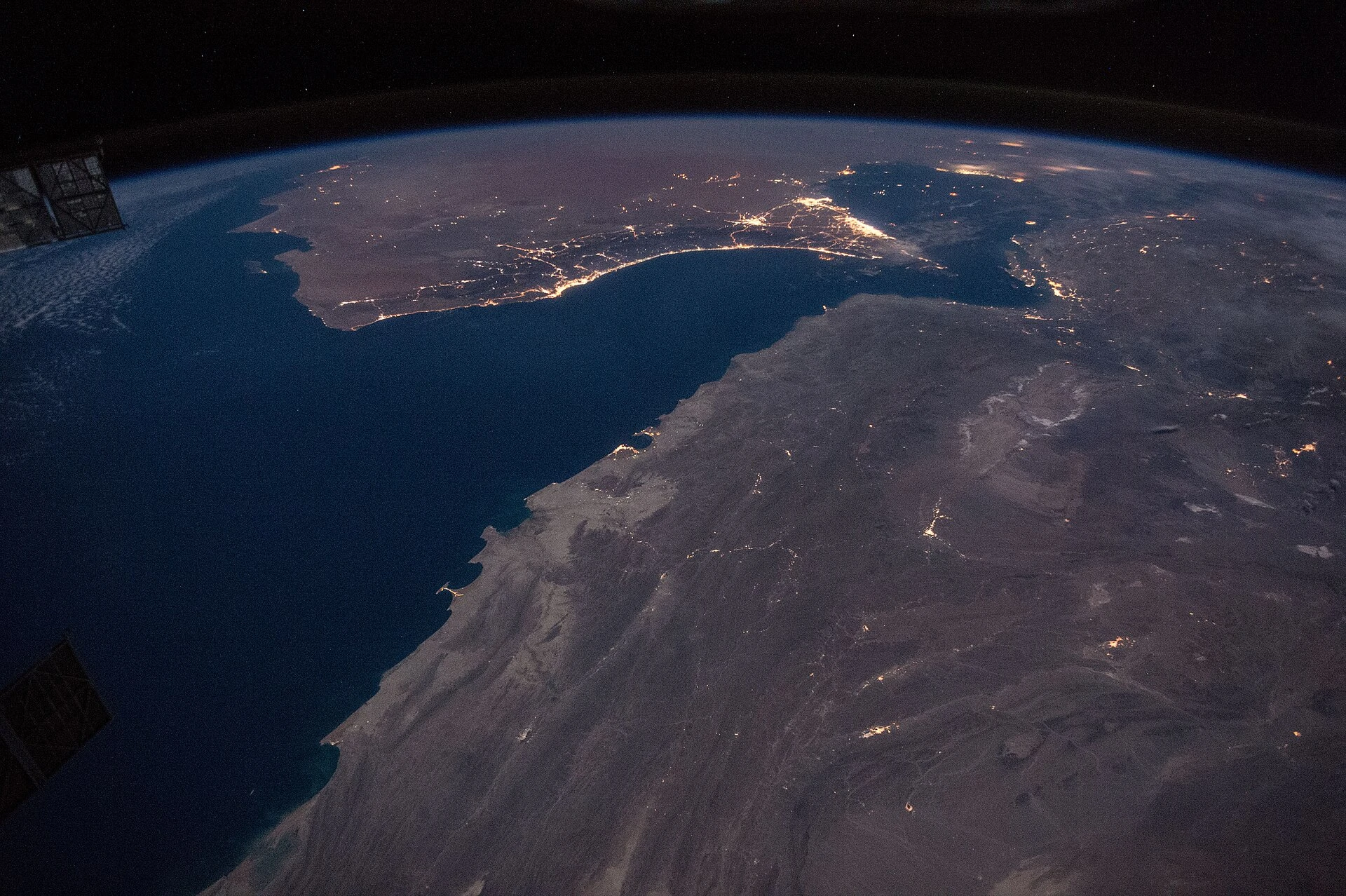
Before the war, 120 to 140 ships used the strait each day. The recovery that followed the ceasefire showed how quickly the route can reopen, and how fast it can be thrown back into doubt, with tanker operators still weighing whether to trust a Tehran-approved path or an Oman-coordinated southern corridor.
Sources
- [1]nytimes.com
- [2]reuters.com
- [3]cnbc.com
- [4]aljazeera.com
- [5]nbcnews.com