Health
Hospitals Face Hurdles as Measles Returns to the US
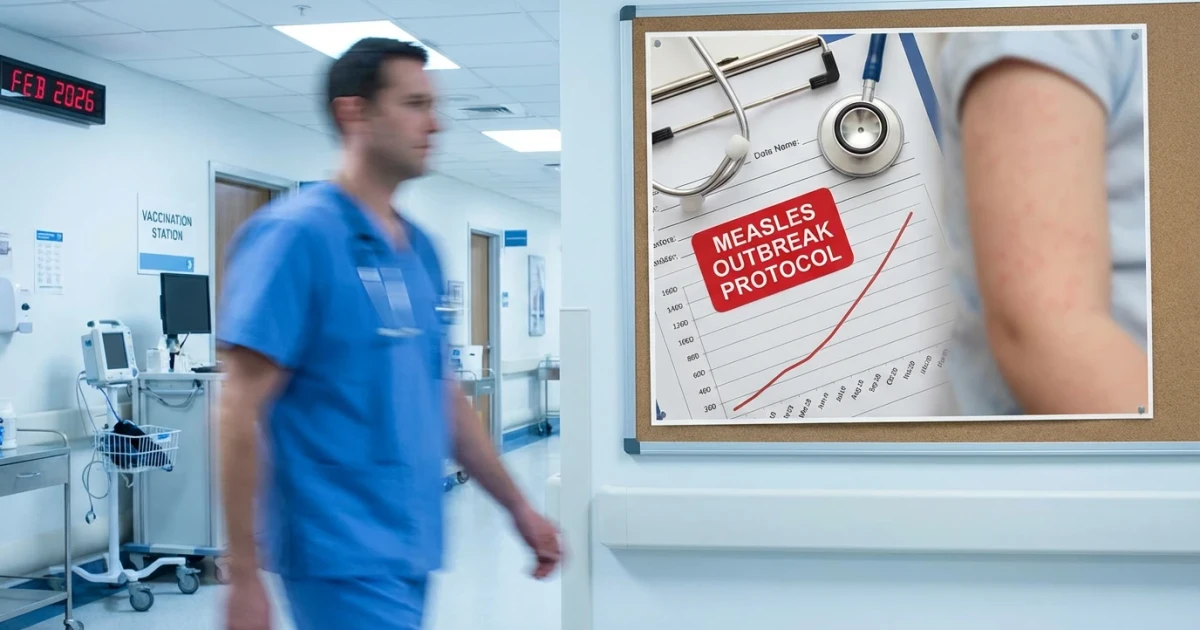
As measles cases surge across parts of the United States, hospitals are confronting a critical challenge: a generation of doctors and nurses have rarely, if ever, seen the highly contagious disease firsthand. The situation, highlighted by recent reporting from KFF Health News, is straining emergency departments and exposing gaps in clinical experience as measles re-emerges in communities with low vaccination coverage.
Measles Outbreaks Test Hospital Readiness
According to the Centers for Disease Control and Prevention's measles case tracker, the United States has reported a notable increase in outbreaks this year, driven in part by declining vaccination rates and pockets of under-immunized populations. Health authorities note that while measles was declared eliminated in the US in 2000, recent outbreaks highlight the risk posed by lapses in community immunity.
- Measles is among the most contagious viruses, with complications including pneumonia, encephalitis, and, in rare cases, death.
- The CDC’s interactive dashboard shows a marked uptick in cases, particularly among unvaccinated children.
- Hospitals in affected regions are reporting increased admissions and implementing strict infection control protocols to contain the spread.
Few Clinicians Have Seen Measles in Practice
The current outbreaks have revealed a significant knowledge gap among healthcare providers. KFF Health News reports that many younger physicians and nurses have never encountered an active case of measles during their training or careers, as decades of high vaccination rates pushed the disease out of routine medical experience. Diagnosis can be delayed because early symptoms, such as fever and cough, mimic other common illnesses. Classic signs like the measles rash might not be recognized immediately, increasing the risk of exposure to others in waiting rooms and hospital wards.
Training Gaps and Infection Control Challenges
Hospital administrators and infectious disease experts are responding by rapidly retraining staff on measles identification and isolation techniques. Simulation drills and updated protocols are being implemented to prevent airborne transmission within healthcare facilities. These efforts are critical, as measles can linger in the air for up to two hours after an infected person leaves a room, according to the World Health Organization's measles fact sheet.
- Many hospitals are reviewing their vaccination policies for staff and patients, ensuring healthcare workers are protected and up to date on immunizations.
- Some facilities are updating visitor screening procedures to reduce the risk of measles entering their premises.
Vaccination Remains the Key Defense
Health authorities and hospital leaders emphasize that the best way to prevent future outbreaks and protect healthcare systems is to maintain high measles-mumps-rubella (MMR) vaccination coverage. The World Health Organization’s global health observatory tracks falling vaccination rates in some regions, underscoring the importance of public outreach and education.
According to the CDC, the MMR vaccine is highly effective, providing lifelong protection for most people after two doses. The agency’s measles vaccination explainer offers detailed guidance for parents and clinicians on vaccine schedules and recommendations.
Looking Ahead
The re-emergence of measles in the United States is a wake-up call for hospitals, public health agencies, and communities. As clinicians re-learn old lessons on diagnosis and containment, experts stress that sustained, widespread vaccination remains the cornerstone of measles control. For more on symptoms, transmission, and prevention strategies, explore the CDC’s measles background resources.