Politics
Host nation leaders skip World Cup opening matches across North America
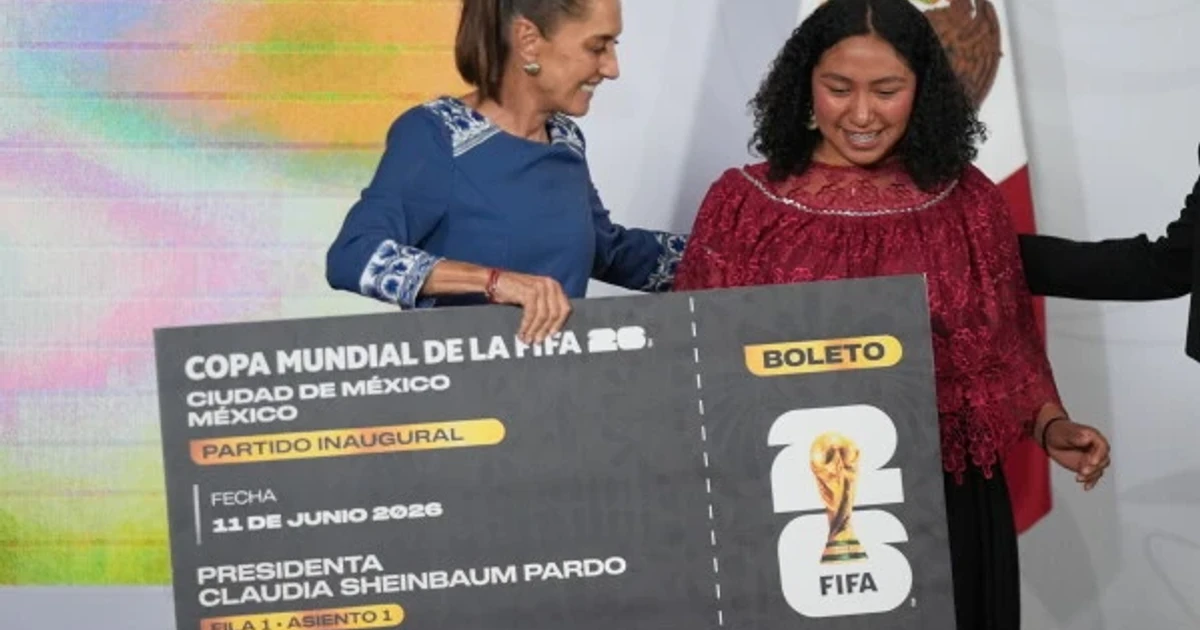
The World Cup’s opening week across North America exposed how closely the tournament is tied to domestic politics. In Mexico, the United States and Canada, the leaders of the three host nations all stayed away from the first matches, leaving the stadiums to players, fans and cabinet-level stand-ins while the politics played out elsewhere.
Mexico delivered the sharpest symbol of that calculation. President Claudia Sheinbaum skipped the opening match in Mexico City and gave away her premium ticket to a young female fan, even as the capital braced for the tournament’s arrival with suspended classes and remote work orders meant to ease traffic. Mexico then beat South Africa 2-0 at Estadio Azteca on June 11, a match that made the stadium the first in World Cup history to host three opening games. The opener also unfolded against protests in Mexico City over disappearances and worker conditions, underscoring how the showcase event sat alongside unresolved public anger.
In Washington’s case, the absence was deliberate and public. President Donald Trump did not attend the U.S. men’s national soccer team’s opener against Paraguay in Los Angeles on June 12, though he was expected to be present for the final on July 19. Andrew Giuliani, who leads the White House World Cup task force, confirmed Trump would stay away from the opener, while Secretary of State Marco Rubio was chosen to lead the U.S. delegation and was expected to meet Paraguay’s president. Trump did speak by phone with the U.S. team the night before the match, a gesture that signaled support without putting him in the stadium.

Canada followed the same pattern. Mark Carney also missed the opening match there, extending a striking split from the usual script of host-nation visibility at major sporting events.
That absence matters because World Cup openers are usually treated as diplomatic stages as much as sporting occasions. Host leaders typically use the first match to project confidence, demonstrate control and share the global spotlight with FIFA’s top brass and visiting dignitaries. Instead, North America’s hosts chose restraint, or distance, at the exact moment the tournament’s symbolism was most visible.

The scale of the event made the choice more notable. The 2026 World Cup is spread across 104 matches in 16 locations in three countries, and the opening match in Mexico set the tone for a tournament that is already moving across several political landscapes at once. In North America, the first days of play showed that World Cup leadership is no longer just about applause in the stands. It is also about which leaders decide they have more to gain by staying away.
Sources
- [1]bbc.com
- [2]politico.com
- [3]nytimes.com
- [4]usnews.com
- [5]fifa.com
- [6]thehindu.com