Politics
House Advances Controversial FISA Reform Bill
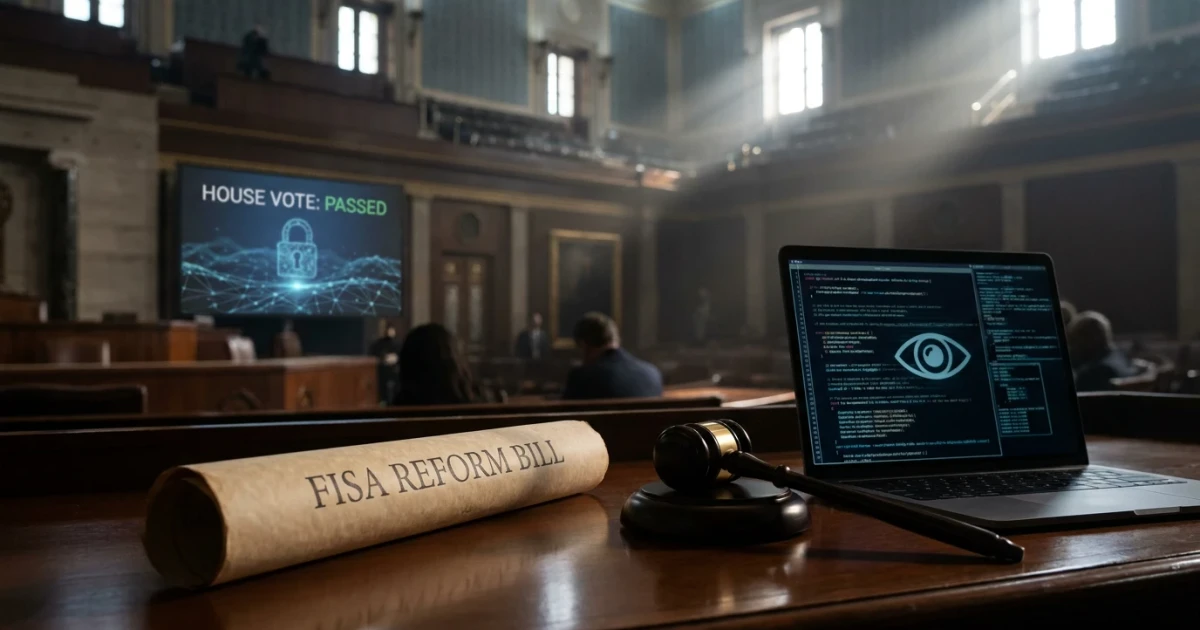
The U.S. House of Representatives has passed a contentious reform bill for the Foreign Intelligence Surveillance Act (FISA), sending the legislation to the Senate amid fierce debate over civil liberties and national security. The bill, which drew criticism from privacy advocates, advanced with support from 42 House Democrats joining Republicans, a move described by NewsGram as both "dangerous and shameful."
Bill Passage and Bipartisan Dynamics
The official roll call vote reveals the measure passed with a coalition of GOP lawmakers and a minority of Democrats. This alliance was crucial to advancing the Reforming Intelligence and Securing America Act (H.R.7888), which aims to update and expand intelligence-gathering authorities under FISA. The legislative action has reignited longstanding debates about the balance between surveillance, privacy, and national security.
- 42 Democrats voted in favor alongside the Republican majority
- Bill now moves to the Senate for further consideration
- Critics warn of expanded surveillance powers
Surveillance Powers and Privacy Concerns
FISA has long been a focal point of controversy, especially since revelations about widespread NSA surveillance on American citizens. Privacy advocates argue that the proposed reforms would grant the government broader authority to conduct warrantless surveillance, raising alarms about constitutional protections and civil liberties.
According to data from the Project On Government Oversight, the FISA court has approved thousands of surveillance requests annually, with only a small fraction being modified or denied. The Department of Justice's FISA Report documents the historical expansion of these authorities and ongoing compliance challenges.
Public Reaction and Political Fallout
The bill's passage has sparked criticism from progressive groups and Democratic lawmakers who opposed the measure. NewsGram characterized the vote as “dangerous and shameful,” reflecting widespread concern that the reforms could erode privacy protections and enable surveillance reminiscent of the Trump administration’s practices. The bipartisan nature of the vote has also prompted debate within the Democratic party, as some members argue that national security needs must be balanced with safeguarding civil liberties.
- Privacy advocates claim the bill enables more warrantless surveillance
- Supporters argue it is necessary for combating terrorism and foreign threats
What’s Next for the FISA Reform Bill?
The legislation now heads to the Senate, where it faces uncertain prospects amid divided opinions. Senators will debate key provisions, including additional oversight mechanisms and potential amendments to limit government reach. The Foreign Intelligence Surveillance Court continues to publish public filings and annual statistical reports, which may inform ongoing discussions.
Meanwhile, public attitudes toward surveillance remain cautious. Pew Research Center data shows that many Americans have adopted personal privacy strategies in response to government surveillance revelations, underscoring the persistent tension between security and privacy.
Analysis
The House passage of the FISA reform bill highlights the complex interplay between bipartisan politics, national security imperatives, and civil liberties. As the Senate takes up the legislation, lawmakers face mounting pressure to reconcile these competing interests and ensure robust oversight of surveillance practices. The outcome is likely to have significant implications for privacy rights and government accountability in the digital age.