US News
House Advances Surveillance Bill After GOP Dispute
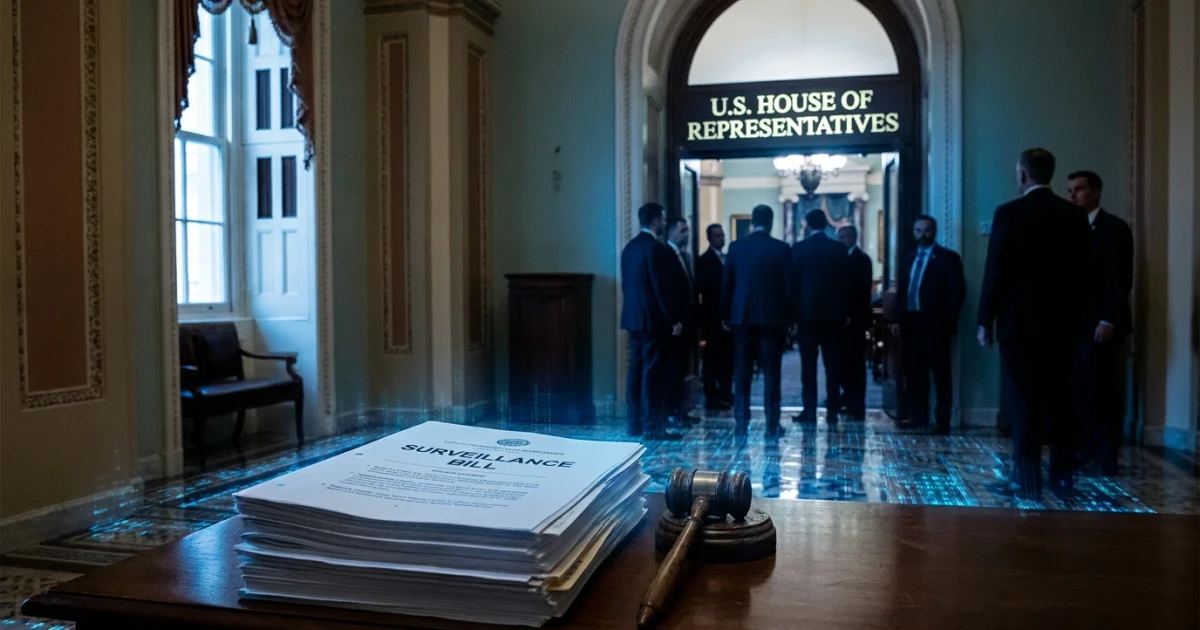
Speaker Mike Johnson has managed to quell a Republican revolt in the House, allowing lawmakers to advance a controversial surveillance bill that has sharply divided the party. The move signals a rare moment of consensus in a chamber frequently hampered by internal GOP disputes and legislative gridlock.
Surveillance Bill Advances Despite Internal Tensions
The bill in question, officially known as the Reforming Intelligence and Surveillance Act (H.R.6611), has been a lightning rod for debate among Republicans, with some lawmakers expressing deep concerns over its implications for civil liberties and government overreach. Speaker Johnson's maneuvering comes after a period of intense infighting, as highlighted by coverage in The Washington Post.
While the precise provisions of the bill are complex, the legislation aims to reform and extend authorities related to Section 702 of the Foreign Intelligence Surveillance Act (FISA)—a program that allows the government to collect communications of foreign targets without a warrant, but which has in the past swept up Americans' data as well.
Party Divisions and Johnson's Leadership
According to The Washington Post, Johnson faced a determined faction within his own party that was skeptical of expanding or reauthorizing surveillance powers without stronger safeguards for individual privacy. This internal standoff reflected larger tensions within the House GOP, which has struggled to unite on major legislative priorities throughout the session.
Johnson ultimately prevailed in advancing the bill, quelling dissent at least temporarily and avoiding a deeper legislative impasse. Coverage noted that the House GOP remains 'stuck in neutral' on several other key agenda items—underscoring that, despite this tactical win, leadership will continue to face challenges in corralling the party's diverse factions.
What the Surveillance Bill Would Change
The bill text proposes a number of reforms, including new reporting requirements and limitations on the government's authority to access communications data. Supporters argue these measures are necessary for both national security and protecting civil liberties. Critics, however, remain wary of any expansion of surveillance powers, citing past abuses and insufficient transparency in the process.
- For a detailed breakdown of surveillance approvals, denials, and legal context, see the Foreign Intelligence Surveillance Court Opinions & Orders database.
- The DOJ National Security Division Annual Reports provide annual statistics on surveillance requests under FISA.
- Background on FISA, its history, and past reforms can be found in the Congressional Research Service FISA overview.
Broader Context: Legislative Gridlock and GOP Agenda
The passage of the surveillance bill comes as House Republicans have delayed other major legislative efforts, such as the farm bill, further illustrating the party's ongoing struggles with internal unity and setting a legislative agenda. The persistent gridlock has drawn criticism from both party members and external observers, who argue that the inability to advance key bills could have repercussions for the party's effectiveness and reputation heading into future elections.
Looking Ahead
While Johnson's success in advancing the surveillance bill demonstrates his ability to bridge internal party divisions on a contentious issue, the path forward remains uncertain. The bill will likely face further scrutiny and possible amendments as it moves through the legislative process, and the House GOP faces continued pressure to resolve disputes on other major policy fronts.
For readers interested in how their representatives voted on recent surveillance measures, the official House roll call vote records offer complete breakdowns by member and party.