Politics
House approves $70 billion bill to fund ICE, Border Patrol
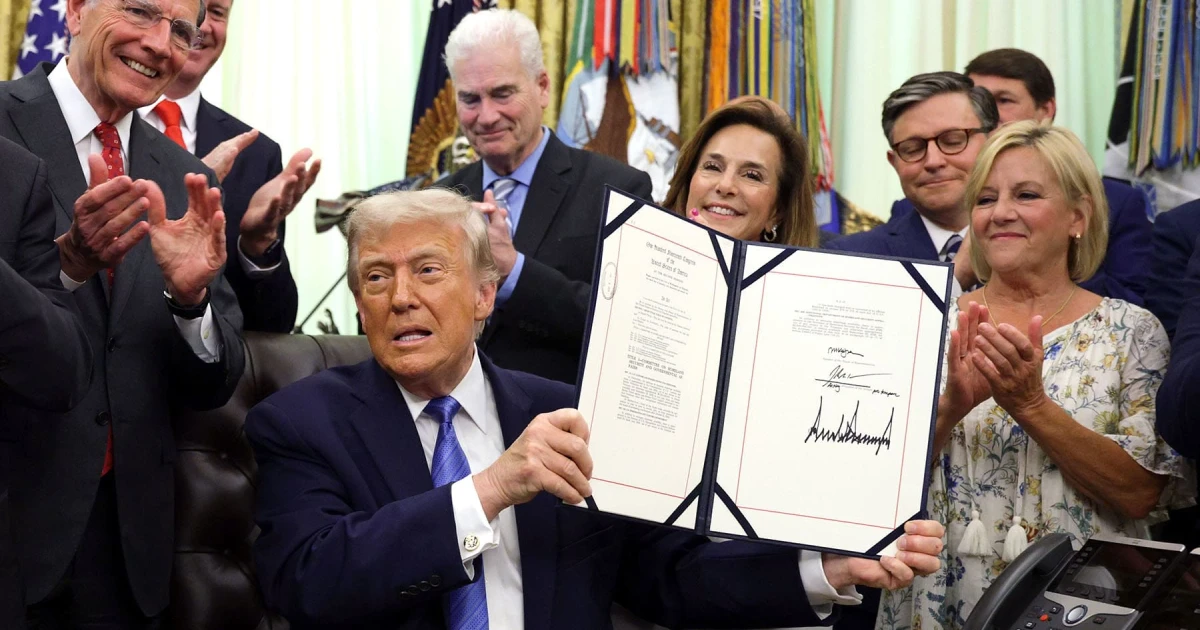
A $70 billion federal infusion will keep Immigration and Customs Enforcement and Border Patrol funded through the end of Donald Trump’s term, giving the administration a durable enforcement apparatus that will reach far beyond a single budget cycle. The money is set to deepen the federal government’s immigration footprint after months of conflict over detention, deportation and border operations, and it arrives with billions already sitting unspent in existing accounts.
The House approved the package 214-212 on Tuesday, sending it to the White House after the Senate had passed it 52-47 late last week. Trump signed the measure into law on Wednesday and called it the Secure America Act, saying it fully funds the Department of Homeland Security’s immigration enforcement agencies through 2029. In remarks at the signing, he praised ICE and Border Patrol officers and said the law would also support domestic law-enforcement investigations and anti-child-exploitation work.
The bill’s scale is what makes it more than a routine appropriations fight. Republicans used budget reconciliation, a fast-track procedure that bypasses a Senate filibuster, to push through a partisan immigration package that locks in spending through the rest of Trump’s current term. Democrats argued the result was a $70 billion blank check for enforcement agencies, while supporters framed it as necessary to sustain immigration operations and carry out the president’s agenda.
The political clash has been building since January, when two U.S. citizens were killed by federal law-enforcement agents in Minneapolis during an immigration crackdown. That episode hardened Democratic demands for changes to enforcement tactics before any new money would move. Instead, the funding became a proxy fight over whether Congress was normalizing an emergency posture on immigration or simply finishing a budget bill.
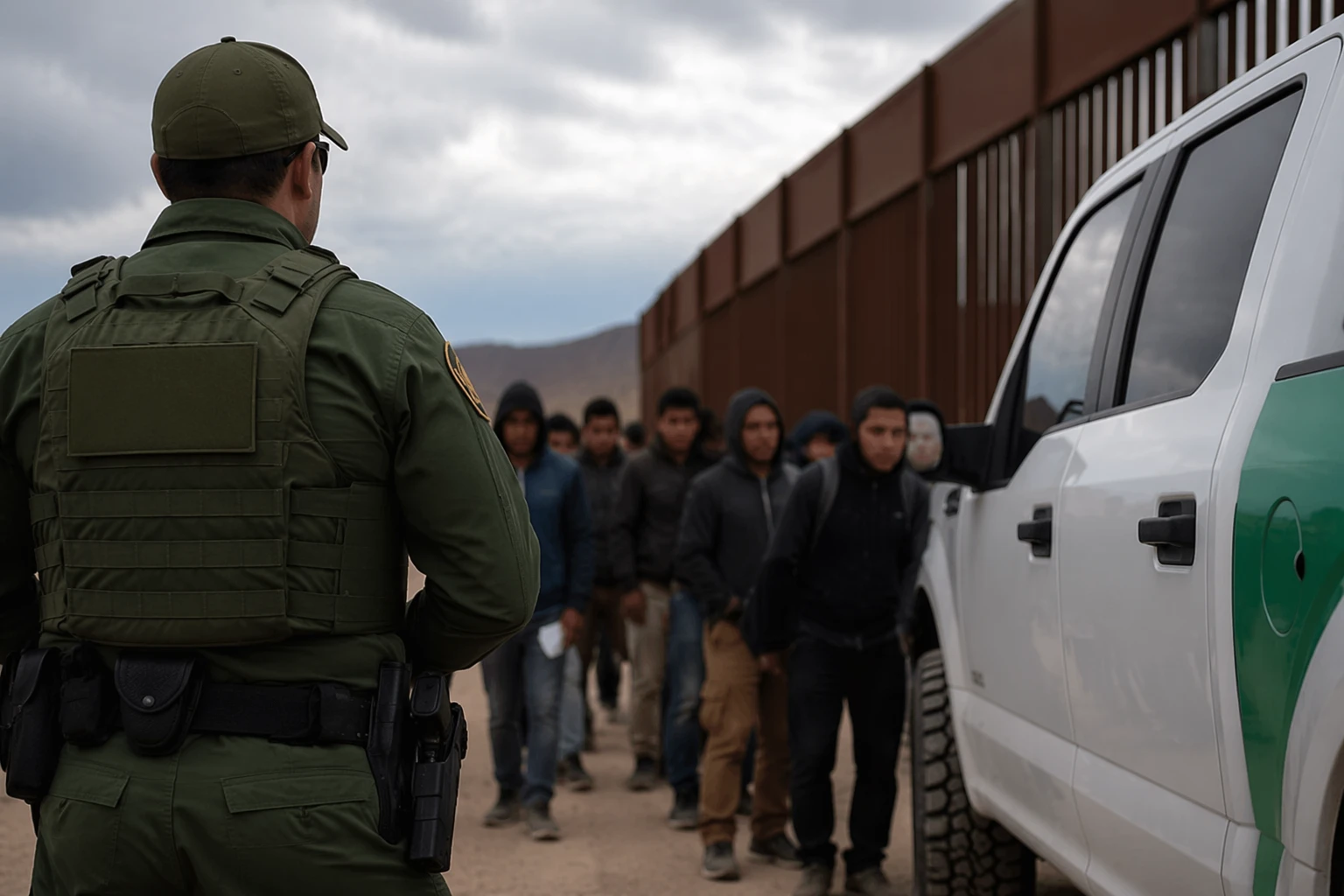
House Democratic Caucus Chair Pete Aguilar said Republicans had already cut health care and food assistance while steering large sums to ICE in an earlier tax-and-spending package. Republicans, meanwhile, accused Democrats of trying to defund ICE and Border Patrol even though the agencies already had a combined $100 billion in unspent funds from a prior Department of Homeland Security package.
Speaker Mike Johnson met with Trump on Tuesday as the House closed in on final passage. Trump had wanted the bill on his desk by June 1, a target the administration missed but ultimately met in time for the signature this week. Kevin Kiley, a recent independent, broke with most Republicans and voted no in the House, while Senate Republicans kept only one member, Lisa Murkowski of Alaska, from joining the party line.
The result is a clear legislative victory for Trump’s immigration agenda, but also the start of another fight. By financing ICE and Border Patrol at this scale through 2029, Congress has made immigration enforcement one of the most entrenched parts of the federal budget, with consequences that are likely to outlast the current administration.
Sources
- [1]thestar.com.my
- [2]cnbc.com
- [3]cbsnews.com
- [4]apnews.com
- [5]nbcnews.com
- [6]gpb.org