US News
House Approves Aviation Safety Bill After Fatal Collision
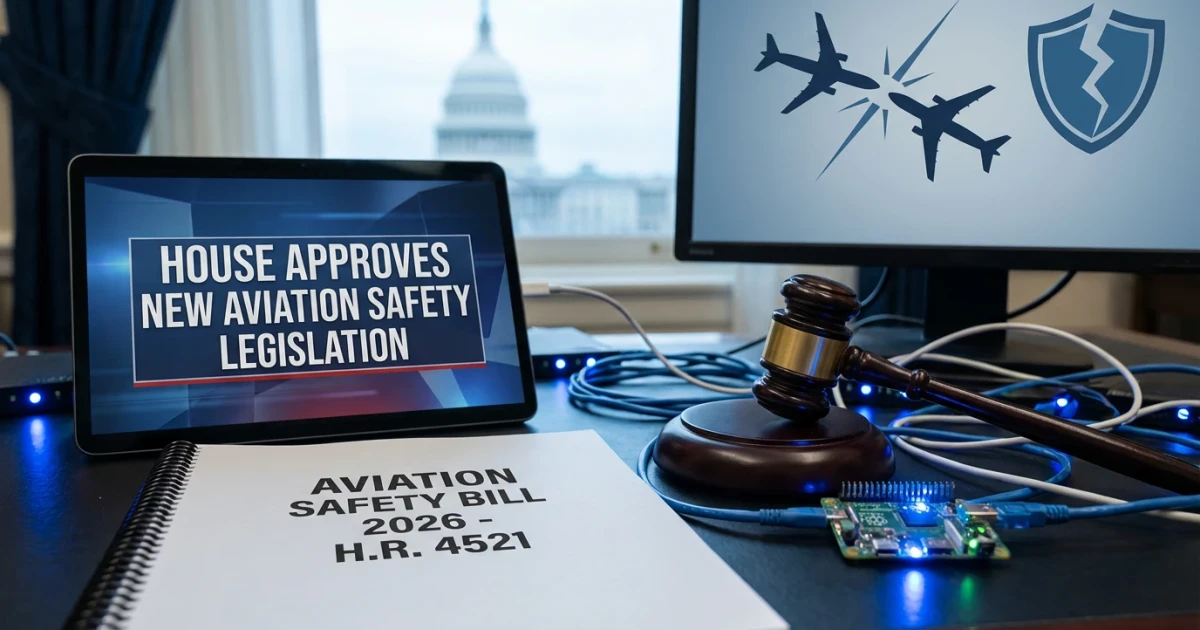
Lawmakers in the House of Representatives voted to pass a sweeping aviation safety bill this week, responding to a recent deadly midair collision near Washington, D.C. The legislation now heads to the Senate, setting up a closely watched debate over the future of U.S. aviation oversight and reform.
Background: Deadly Collision Prompts Action
The House’s move follows a highly publicized accident outside the nation’s capital that reignited concerns over midair collisions and overall aviation safety. While commercial aviation in the U.S. remains among the world’s safest, the incident drew national attention to ongoing risks and the need for modernized safety measures.
Legislative Details and Objectives
The newly passed bill, officially titled the Securing Growth and Robust Leadership in American Aviation Act, introduces a series of reforms aimed at reducing both midair and runway collisions. According to CBS News, the legislation addresses:
- Enhancements in air traffic control technology and staffing
- Stricter oversight of pilot training and certification
- Expanded data sharing and incident reporting requirements
- Upgrades to aircraft safety equipment standards
Supporters argue these measures will help address vulnerabilities revealed by the recent tragedy and bring U.S. regulations in line with evolving aviation risks. The bill also seeks to bolster the Federal Aviation Administration’s ability to analyze and act on incident data, building on existing FAA safety statistics and trend analyses.
Political Debate and Senate Showdown
While the bill passed the House with bipartisan backing, it now faces a "big Senate showdown," as described by Politico and echoed in CBS News coverage. Some lawmakers have raised questions over funding levels, regulatory reach, and the timeline for implementing new standards. Aviation industry groups and safety advocates are closely watching the Senate’s response, with many urging swift action to avoid delays in critical reforms.
Implications for U.S. Aviation Safety
Recent data from the National Transportation Safety Board (NTSB) confirms that while fatal commercial airline accidents are rare, both midair and runway incidents remain a focus for regulators. The bill’s combination of technology upgrades, better reporting, and stricter standards reflects recommendations made in multiple GAO analyses of aviation safety.
- U.S. commercial aviation records some of the world’s lowest accident rates, but the GAO and NTSB have called for ongoing vigilance due to changes in air traffic, technology, and pilot demographics.
- FAA statistics show hundreds of runway incursions and surface incidents each year, though most do not result in injury or loss of life.
Looking Ahead
As the Senate prepares to take up the House-approved bill, the focus remains on whether the reforms will be enacted swiftly and effectively. The outcome will shape the regulatory landscape for airlines, pilots, and passengers nationwide, with the goal of preventing future tragedies like the one that spurred this legislative action.
For more on recent aviation safety trends and incident data, readers can explore the FAA’s Aviation Safety Information Analysis and Sharing portal and official NTSB accident reports.