Politics
House Blocks Pay Bill for Federal Airport Workers
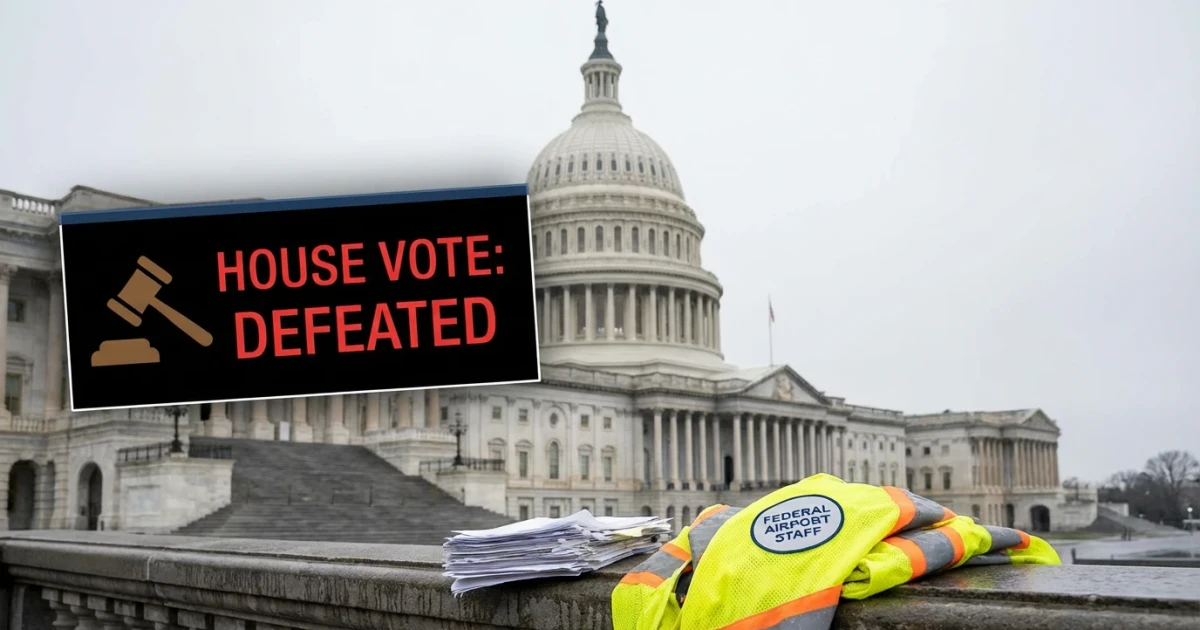
Legislation to increase pay for federal airport workers failed to advance in the U.S. House of Representatives this week, with House Republicans voting down the proposal amid ongoing debates over compensation, staffing, and airport security.
Bill to Raise Airport Worker Pay Fails in House
The bill, intended to improve compensation for thousands of federal employees at U.S. airports—including Transportation Security Administration (TSA) screeners and other staff—was blocked after a party-line vote in the House. According to Al Jazeera, Republican lawmakers opposed the measure, effectively ending the latest congressional push to address pay disparities for these workers.
Context: Pay and Staffing Challenges at U.S. Airports
The defeated bill comes at a time when U.S. airports face staffing shortages and concerns over worker retention. Data from the Bureau of Labor Statistics shows that Transportation Security Screeners earn a median annual wage below the national average for federal employees. Many advocacy groups and unions have argued for years that low wages contribute to high turnover rates and workforce instability.
A recent report by the Government Accountability Office (GAO) highlighted ongoing challenges in hiring and retaining airport security personnel, noting that pay and working conditions are among the primary obstacles. The GAO report also found that airports with higher passenger volumes often struggle the most with filling positions, directly impacting airport operations and security wait times.
What the Bill Proposed
The proposed legislation—officially recorded as H.R.8428—sought to implement a new pay scale for federal airport workers, aligning their compensation more closely with other federal employees and the demands of their roles. The bill included provisions for annual raises and more robust benefits packages, aiming to address wage stagnation and improve employee retention.
If passed, the bill would have impacted TSA agents, federal security staff, and support personnel at hundreds of U.S. airports, according to Federal Aviation Administration (FAA) records. The measure also included funding for workforce development and training programs to help airports cope with increasing passenger volumes, as detailed in Bureau of Transportation Statistics datasets.
Political Debate and Implications
Republican House members who voted against the bill cited concerns over increased federal spending and questioned whether the proposed pay raises were sustainable. Some argued that compensation for federal airport workers should remain aligned with existing TSA compensation plans, which currently offer a range of pay bands based on location, experience, and job function.
Supporters of the bill, including many Democratic representatives and labor advocates, emphasized that raising pay could reduce turnover and enhance airport security. They pointed to the essential role of federal airport employees in maintaining safe and efficient air travel, especially during periods of high passenger demand.
What’s Next for Workers and Travelers?
- Federal airport workers will continue to operate under the existing pay structure, with no immediate changes to their compensation or benefits.
- Staffing shortages may persist at busy airports, potentially affecting security wait times and overall passenger experience.
- The legislative defeat could prompt new proposals or negotiations in Congress, but the timeline for further action remains uncertain.
As travel volumes rebound and airports face increased operational pressures, the question of fair compensation for federal airport workers is likely to remain a point of contention in Washington. Ongoing analysis by the GAO and labor market data from the Bureau of Labor Statistics will continue to inform future debates on how best to recruit, retain, and support the nation’s airport workforce.