Politics
House fails to extend key surveillance law, raising lapse risk
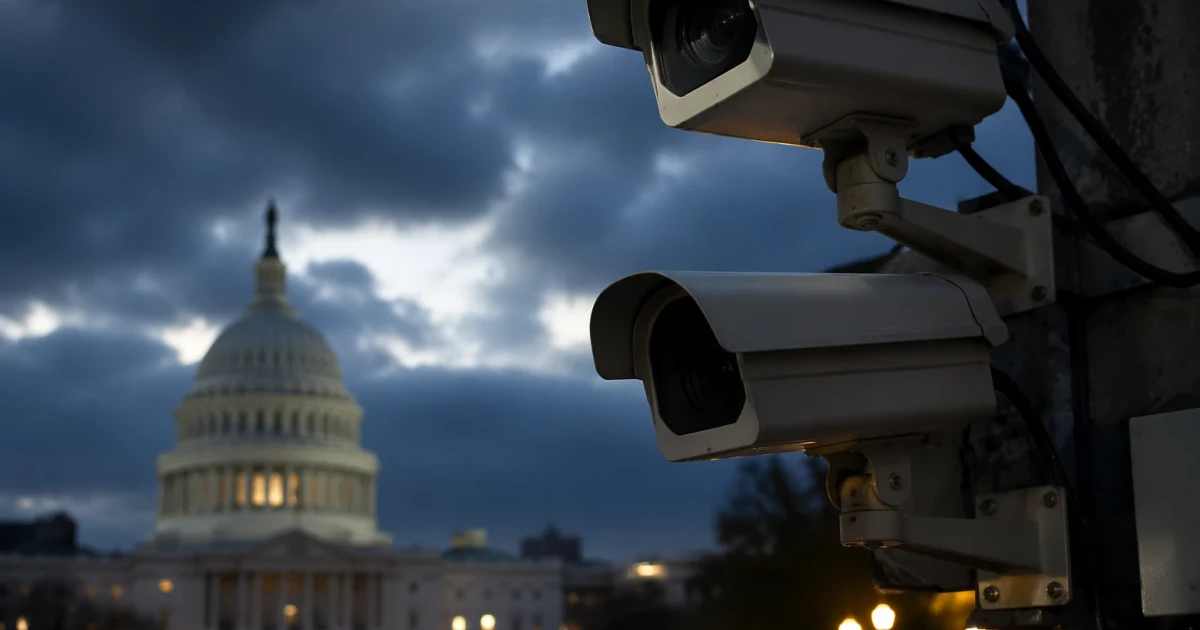
A failed House vote has pushed Section 702 of the Foreign Intelligence Surveillance Act closer to a lapse, putting one of Washington’s most important surveillance authorities at risk of expiring this weekend. The law lets the U.S. government collect foreign intelligence from non-U.S. persons abroad without seeking a separate warrant for each target, and intelligence agencies have said it remains central to counterterrorism, cyber defense and weapons-proliferation investigations.
If Section 702 expires, the immediate operational change is straightforward: the government would lose the statutory authority that underpins programmatic surveillance of foreign targets overseas. That would disrupt a collection tool the Office of the Director of National Intelligence has described as critical for gathering, analyzing and sharing foreign intelligence information, including threats tied to international terrorism and cyberattacks.
The House measure to extend the law temporarily fell short of the two-thirds support required under the suspension procedure, underscoring how difficult it has become for Congress to settle the fight before a deadline. Congress had already extended Section 702 in December 2023 through April 19, 2024, as part of a larger defense policy bill, even though the then-current certification was set to expire on April 11, 2024. In 2024, the Reforming Intelligence and Securing America Act reauthorized Section 702 for two more years, through April 2026, while adding compliance measures for U.S.-person queries and limiting FBI evidence-of-crime-only queries into Section 702 data.
The political fight over renewal has long centered on a basic tension: national security agencies say the authority is indispensable, while civil-liberties critics warn that it can sweep up Americans’ communications incidentally and allow queries that raise privacy concerns. The ACLU has argued that the December 2023 extension was unnecessary and has pressed for stronger safeguards before any further renewal. The House Judiciary Committee heard similar criticism in April 2023, when lawmakers and witnesses focused on allegations that Section 702 had been used for warrantless surveillance of Americans.
Section 702 was enacted in 2008 and has repeatedly become a flashpoint as expiration deadlines approach, forcing Congress into temporary fixes or last-minute reauthorizations. With the latest stopgap now rejected, the question is no longer theoretical: unless lawmakers act before the deadline, a core tool in the U.S. intelligence arsenal will go dark, and the next round of surveillance disputes will begin with less time and more consequence.
Sources
- [1]nytimes.com
- [2]congress.gov
- [3]aclu.org
- [4]odni.gov