Politics
House GOP Halts Votes Over Dispute on 'Anti-Weaponization' Fund
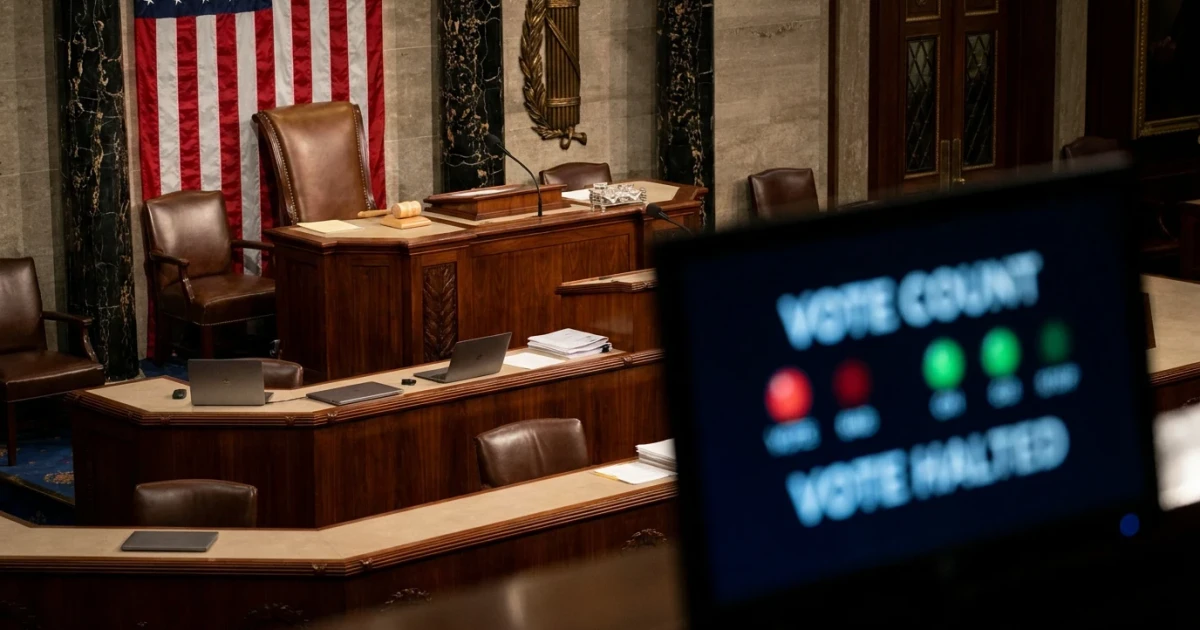
Republican leaders in the House of Representatives abruptly canceled legislative votes this week amid escalating internal disagreements over a proposed 'anti-weaponization' fund, a provision championed by former President Donald Trump and his allies. The dispute highlights persistent Republican concerns about the perceived politicization of the Department of Justice (DOJ), as well as growing factional rifts within the party.
Legislative Action Stalls in the House
The vote cancellations, first reported by NBC News, occurred as House Republicans clashed over the inclusion of an 'anti-weaponization' fund in the Department of Justice appropriations bill for the upcoming fiscal year. The fund is designed to curb what Trump-aligned lawmakers describe as the DOJ's 'weaponization' against political opponents. The provision’s supporters argue that additional oversight and restrictions are needed, while critics within the party warn it could undermine law enforcement’s independence and complicate essential funding for the DOJ.
Background: The 'Anti-Weaponization' Proposal
The controversial fund has been a flashpoint in ongoing Republican efforts to reshape DOJ appropriations. Recent appropriations bills, including H.R. 4639, have included amendments to restrict DOJ activities perceived as politically motivated. Proponents assert that such language is necessary to address what they see as selective prosecutions and investigations. Detractors, including some moderate Republicans, caution that these measures could jeopardize critical Justice Department functions or reduce funding for public safety initiatives.
- The House Appropriations Committee’s fiscal year 2025 bills include multiple DOJ funding proposals, reflecting deep divisions over the agency’s future direction and oversight.
- According to the Congressional Budget Office, ongoing amendments and disputes have made it difficult to project final funding levels and their impact on DOJ operations.
Internal Republican Divisions and Negotiations
The vote cancellations underscore a broader struggle within the Republican caucus. While Trump-aligned members push for aggressive measures to rein in the DOJ, others fear the political and practical consequences of such a stance. NBC News noted that some Republicans worry the dispute could derail progress on must-pass government funding bills, especially as the party faces a slim House majority and looming deadlines.
These tensions have forced GOP leaders to delay votes and engage in behind-the-scenes negotiations. The fate of the 'anti-weaponization' fund remains uncertain, with House leadership seeking a compromise that can unite the caucus without jeopardizing appropriations deadlines.
Potential Impact on Justice Department Operations
If included, the fund would restrict how DOJ resources are allocated and potentially require new reporting and oversight mechanisms. However, as detailed in the DOJ’s official budget documents, significant disruptions to appropriations could hinder ongoing criminal prosecutions, civil rights enforcement, and public safety programs. The Congressional Research Service has also analyzed the risks posed by such provisions, noting the possibility of delayed funding or operational uncertainty for federal law enforcement.
What Comes Next?
With votes canceled and negotiations ongoing, the House faces an uncertain path forward. The outcome will likely influence not only DOJ funding for the coming year but also broader debates about the balance between political oversight and agency independence. As House Republicans work to bridge their divides, observers are watching closely for signals about the party’s legislative priorities and its approach to the Justice Department in a contentious election year.