US News
House Moves to Limit Presidential Military Action on Iran
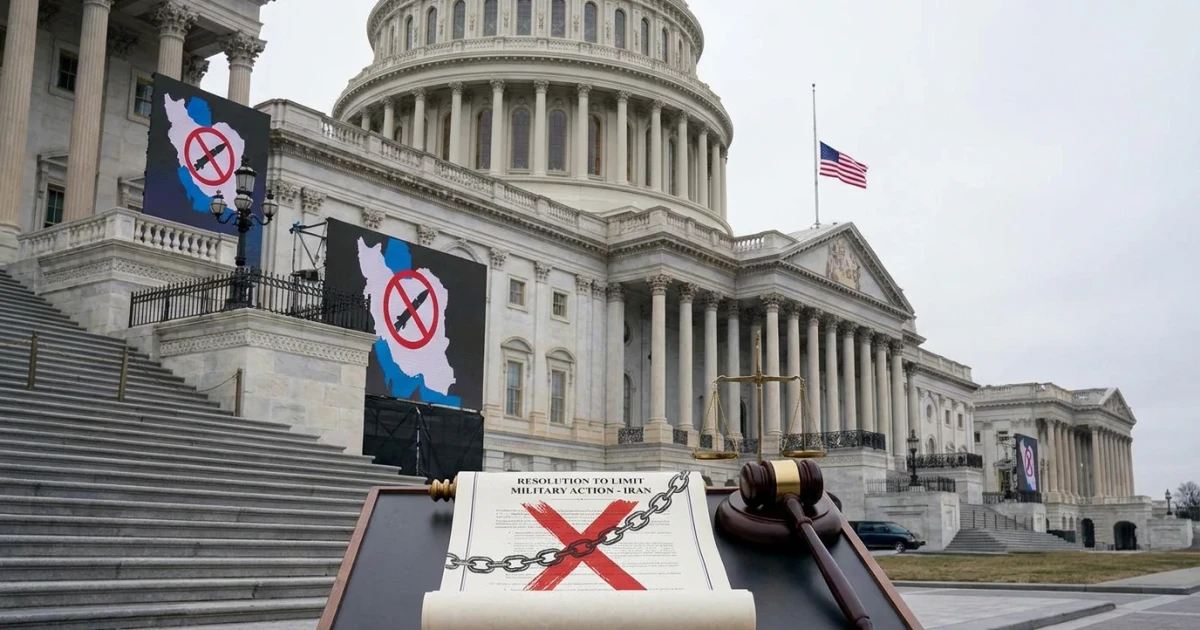
The House of Representatives has approved a resolution aimed at restricting the president's authority to undertake military action against Iran without explicit congressional approval, marking a significant assertion of legislative oversight and a direct rebuke of former President Donald Trump's approach to foreign policy.
House Vote Reflects Bipartisan Concerns
The resolution, passed on June 3, 2026, underscores mounting bipartisan concerns in Congress over the balance of war-making powers between the legislative and executive branches. The measure specifically invokes the War Powers Resolution of 1973, which requires the president to consult with and report to Congress before introducing U.S. armed forces into hostilities.
- The official House roll call for the resolution, Roll Call 11, shows strong support from Democrats and a handful of Republicans crossing party lines.
- According to detailed vote data, the measure passed with a clear majority, demonstrating significant congressional consensus on the issue of military engagement with Iran.
Legislative Details and Context
The text of the resolution directs the president, "pursuant to section 5(c) of the War Powers Resolution," to terminate the use of U.S. armed forces in or against Iran unless Congress has declared war or specifically authorized such action. This legislative action is part of a broader debate over war powers and the constitutional roles of Congress and the president.
- The measure is non-binding but carries significant political weight as a formal statement of congressional intent and oversight responsibilities.
- It follows a series of escalations between the U.S. and Iran during the Trump administration, which heightened concerns over the risk of unapproved military conflict.
Implications for U.S. Foreign Policy
The passage of the resolution signals lawmakers' intent to reassert their constitutional authority over matters of war and peace. As analyzed in a Congressional Research Service report, the War Powers Resolution has historically been a point of contention, with presidents often claiming broad authority to act militarily without prior congressional approval.
By passing this resolution, the House not only sends a message to the current administration but also sets a precedent for future debates about the scope of presidential war powers. The decision reflects a growing desire in Congress to ensure that significant military actions, especially those with the potential for escalation, receive public debate and legislative scrutiny.
Next Steps and Outlook
Although the resolution does not have the force of law, it places political pressure on the executive branch and could influence future legislative efforts regarding military actions. The Senate would need to pass a similar measure for it to have further impact, and the president retains veto power over binding war powers legislation.
Analysts expect the debate over war powers and the role of Congress in authorizing military force to continue, especially as tensions in the Middle East persist. The House's action highlights an enduring struggle between the branches of government—a dynamic that has shaped U.S. foreign policy for decades.
For readers interested in the official legislative text, roll call details, or historical context of the War Powers Resolution, several resources provide official records and in-depth legal analysis.