Politics
House Panel Moves to Hold Bill and Hillary Clinton in Contempt Amid Political Tensions
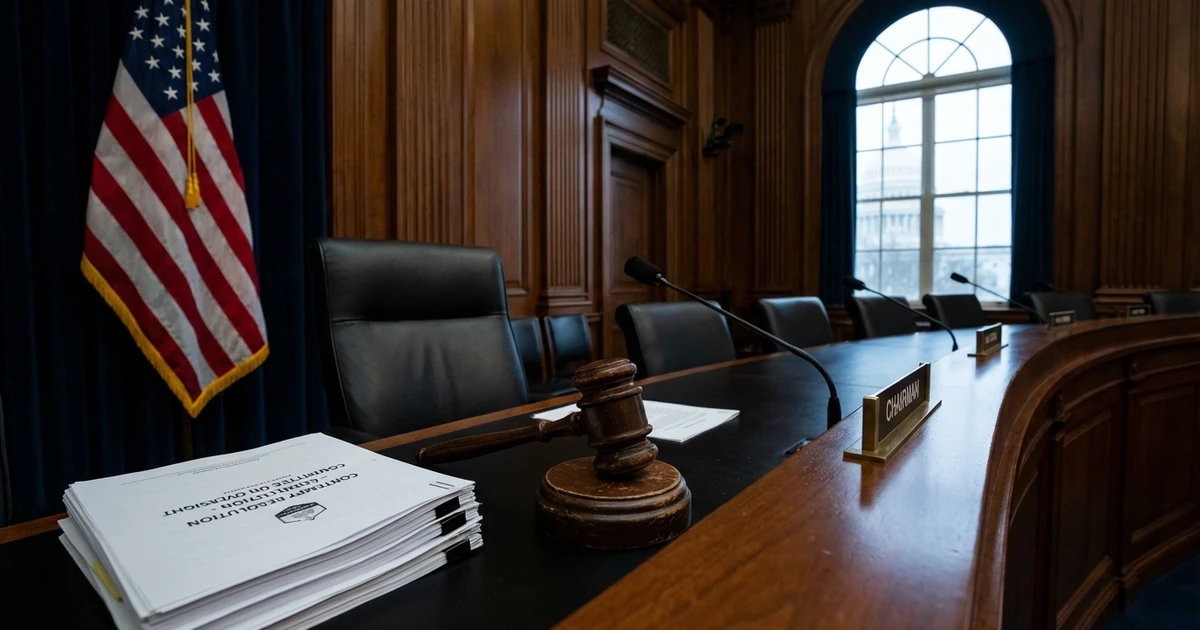
Bill and Hillary Clinton are once again at the center of a political storm, as the House Oversight Committee voted to hold the former president and former secretary of state in contempt of Congress. The move, announced Tuesday, marks a dramatic escalation in ongoing partisan disputes on Capitol Hill.
Committee Vote Intensifies Congressional Showdown
The House Oversight Committee convened to address alleged non-compliance by the Clintons with a congressional investigation. After deliberations, the panel voted to recommend contempt charges, a rarely used procedural tool meant to compel compliance with congressional subpoenas or requests. While the specific details of the investigation and the Clintons' alleged non-compliance have not been publicly disclosed as of Tuesday evening, the decision signals escalating efforts by some lawmakers to hold prominent political figures accountable.
Understanding Contempt of Congress
Contempt of Congress is a formal charge that can be brought against individuals or entities that refuse to comply with legislative subpoenas or obstruct the work of Congress. In recent years, such votes have become more frequent amid increased political polarization, but they remain significant due to their potential legal and symbolic ramifications. If the House as a whole adopts the committee's recommendation, the case could be referred to the Department of Justice for possible prosecution or enforcement.
Political Ramifications and Historical Context
This move is seen by many analysts as part of broader partisan struggles in Washington, reflecting the enduring scrutiny of the Clintons' political legacy and ongoing divisions within Congress. The panel’s decision may further inflame debates over the limits of congressional oversight and the use of contempt proceedings as a political tool. Historically, contempt votes have often led to protracted legal battles and have rarely resulted in criminal penalties, but they serve as a powerful statement by Congress regarding the seriousness of its inquiries.
- The committee’s vote underscores the continuing influence of the Clintons in the national political conversation.
- Contempt proceedings have been used in the past against officials from both major parties, frequently resulting in extended legal disputes.
- The outcome of this contempt vote could set precedents for future congressional investigations.
What Happens Next?
As the process moves forward, the full House must vote on whether to adopt the committee's recommendation. Should the House approve, the matter would be referred to the Department of Justice, which holds prosecutorial discretion over whether to pursue the case. The Clintons have yet to comment publicly on the committee’s decision, and it remains unclear how they will respond to the latest escalation.
Analysis: Contempt Vote Signals Heightened Partisan Conflict
The House Oversight Committee's vote to hold Bill and Hillary Clinton in contempt of Congress is more than a procedural move—it reflects a broader climate of partisan contestation in Washington. As Congress continues to leverage its investigative powers, such high-profile contempt proceedings underscore the tensions inherent in the U.S. system of checks and balances. The coming days will reveal whether this action leads to substantive legal consequences or remains a symbolic gesture in the ongoing political tug-of-war.
Sources
- [1]NPR