Politics
House passes bill to make daylight saving time permanent
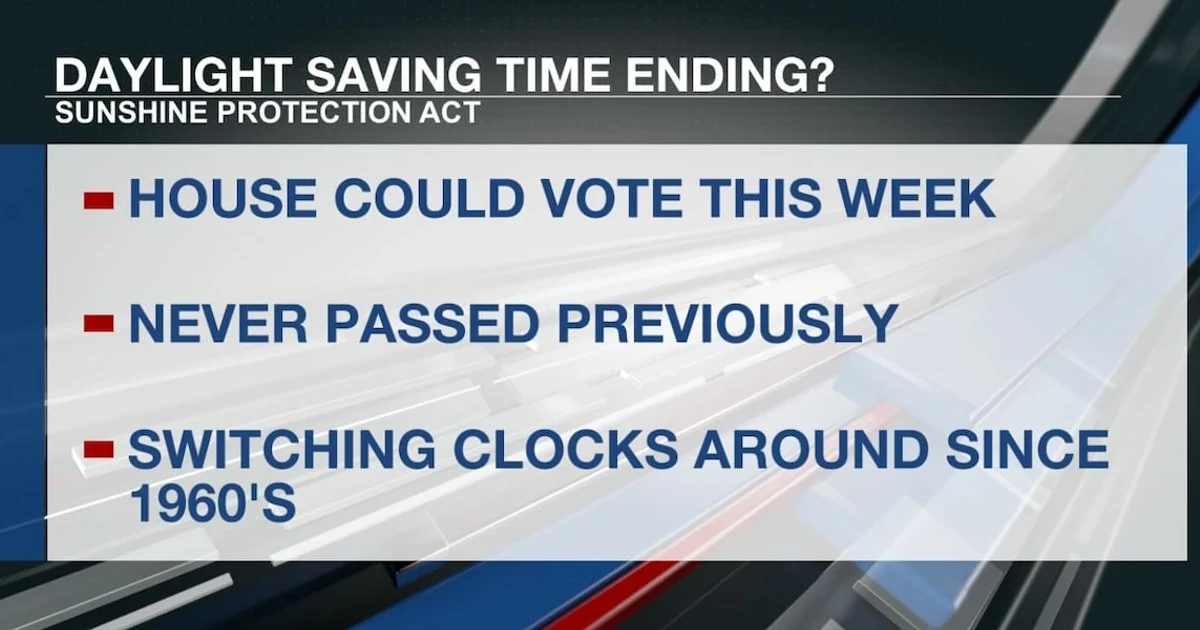
The House passed the Sunshine Protection Act, a bill that would make daylight saving time permanent by repealing the temporary-time provision in the Uniform Time Act of 1966. The change would end the twice-yearly switch at 2 a.m. local time, but it would also mean darker winter mornings and later sunsets year-round.
The legislative fight has dragged on for years. The House version was introduced on November 2, 2021 as H.R. 5826, and the Senate approved the companion measure on March 15, 2022 before the effort stalled in the House. Congress returned to the issue again with H.R. 139 in 2025, underscoring how often lawmakers have revisited a proposal that remains politically popular but operationally complicated.
Marco Rubio, one of the strongest backers, has called the ritual of changing clocks twice a year “stupid” and described it as an “antiquated practice.” He has argued that locking the clock could reduce crime, help child obesity by giving children more daylight to play, and ease seasonal depression. Donald Trump has also criticized daylight saving time, calling it “unnecessary” and a “financial burden,” a signal that the issue still carries political weight beyond Congress.
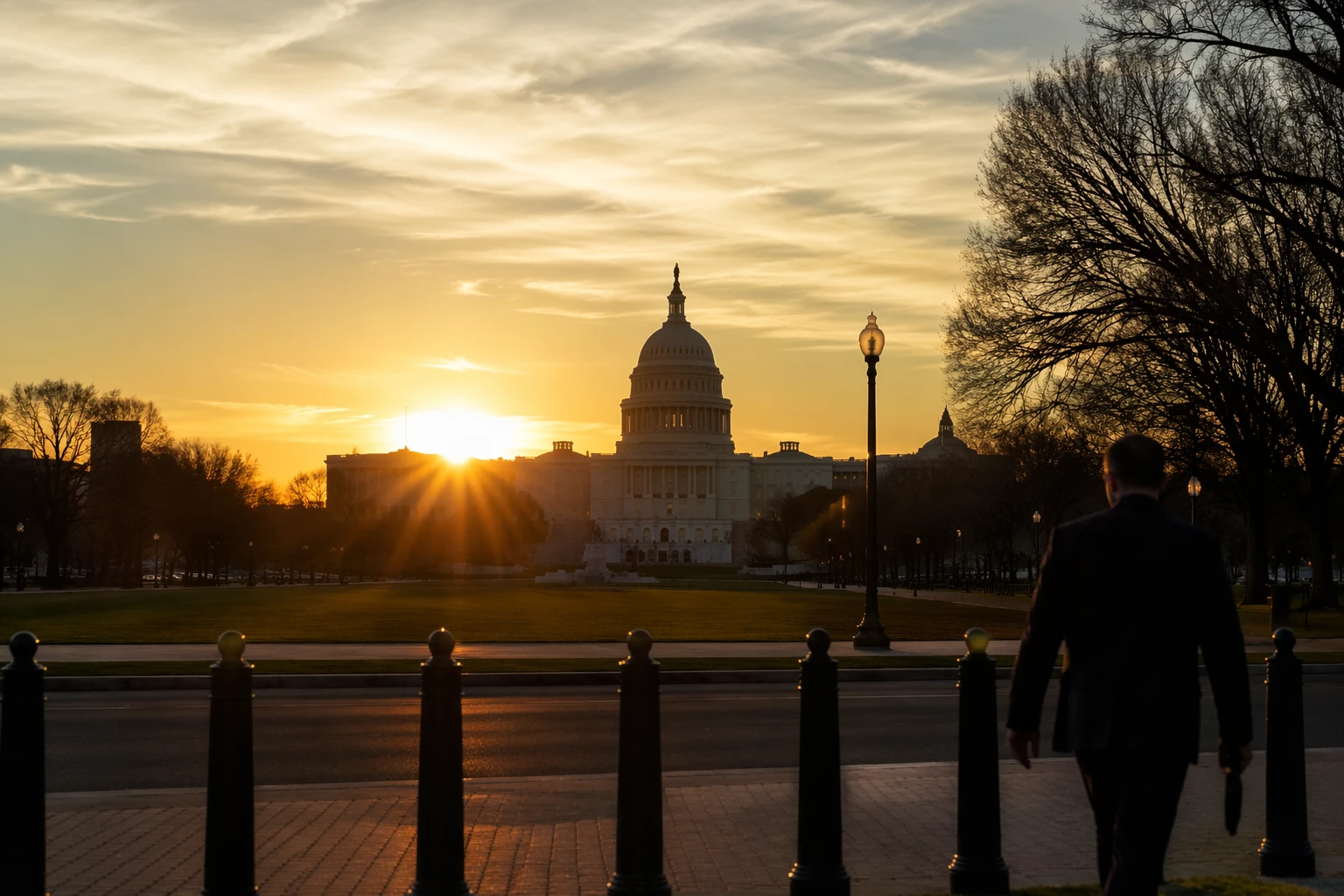
The practical effects would be felt far from Capitol Hill. NBC News noted that the issue reaches education, transportation, health and even TV weather reporting, because darker winter mornings would shift school commutes and morning travel into less daylight in many places. Retailers and entertainment businesses, by contrast, have long favored later sunsets because they can stretch evening shopping and outdoor activity. That tradeoff is the real last-mile fight: a single national clock may be convenient in Washington, but it does not distribute daylight evenly across a continent-sized country.
Geography matters because the United States is not starting from the same place everywhere. Most of Arizona does not observe daylight saving time, except for the Navajo Nation, and Hawaii and some U.S. territories also opt out. The country briefly tried permanent daylight saving time during the 1970s energy crisis, but abandoned the experiment after public backlash. More recently, NBC reported that 19 states had made efforts in the prior six years to move to year-round daylight saving time, while timeanddate.com said 20 states were pursuing “lock the clock” proposals in 2024 and 2025.

The remaining question is less about whether Americans dislike changing the clock than whether permanent daylight time would create clear winners and losers by region, with the East, West, South and mountain states experiencing very different versions of morning darkness and evening light.
Sources
- [1]news.google.com
- [2]congress.gov
- [3]nbcnews.com
- [4]timeanddate.com
- [5]cnn.com