Politics
House Rejects Bid to Halt U.S. Military Action in Iran
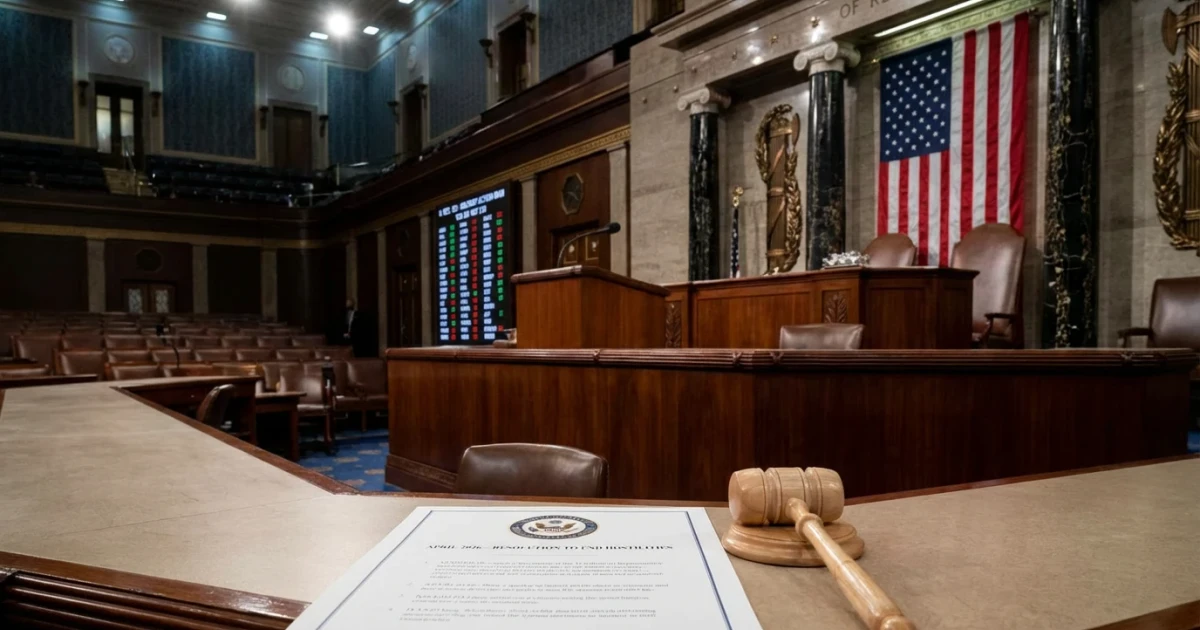
In a closely watched vote, the U.S. House of Representatives narrowly rejected a resolution directing President Trump to end ongoing military hostilities in Iran. The decision highlights deep divisions in Congress over war powers and the future of U.S. foreign policy in the Middle East.
Close Vote Reflects Congressional Division
The resolution, which called on the president to terminate U.S. military engagement in Iran unless authorized by Congress, failed by a slim margin. The outcome underscores the ongoing debate over the role of lawmakers in authorizing the use of military force abroad. Official roll call records allow the public to review how each member voted on this critical measure.
Background: Ongoing Hostilities and Congressional Action
This vote follows months of escalating tensions between the United States and Iran, with periodic military exchanges and an increased U.S. presence in the region. The House action was rooted in concerns that continued hostilities could lead to a broader conflict without explicit congressional approval. Lawmakers backing the resolution argued that the Constitution gives Congress—not the president—the authority to declare war, referencing the longstanding War Powers Resolution, which seeks to check presidential military action.
- The resolution was introduced amid ongoing U.S. military operations in and around Iran.
- Supporters voiced concerns about the risk of escalation and the need for legislative oversight.
- Opponents argued that withdrawal could undermine U.S. strategic interests and regional security.
Context: The War Powers Debate
Efforts to limit presidential authority over military action are not new. The legislative history of similar resolutions reveals repeated attempts by Congress to reassert its constitutional role. According to the Congressional Research Service, compliance with the War Powers Resolution has been a recurring issue for both Democratic and Republican administrations.
Public Opinion Remains Split
Polling by the Pew Research Center shows that Americans remain divided over U.S. military involvement in Iran. While some support assertive action to counter perceived threats, others favor restraint and diplomatic engagement.
Financial and Strategic Implications
The financial costs of U.S. military operations in the Middle East, including Iran-related activities, are substantial. The Congressional Budget Office has reported that ongoing operations have cost billions of dollars, prompting further debate about the long-term sustainability and strategic value of U.S. involvement in the region.
Looking Ahead
With the House rejecting the resolution, the status quo remains, and U.S. military actions in Iran continue without new congressional restrictions. However, the close vote suggests that pressure for congressional oversight is unlikely to subside. As tensions persist, lawmakers and the public will continue to scrutinize the balance of war powers between Congress and the president, the risks of escalation, and the broader implications for U.S. foreign policy. For those seeking deeper insight into the history of U.S.-Iran relations, the State Department’s background resources offer comprehensive context.