Politics
House Rejects War Powers Resolution Aimed at Blocking Trump’s Military Action in Venezuela
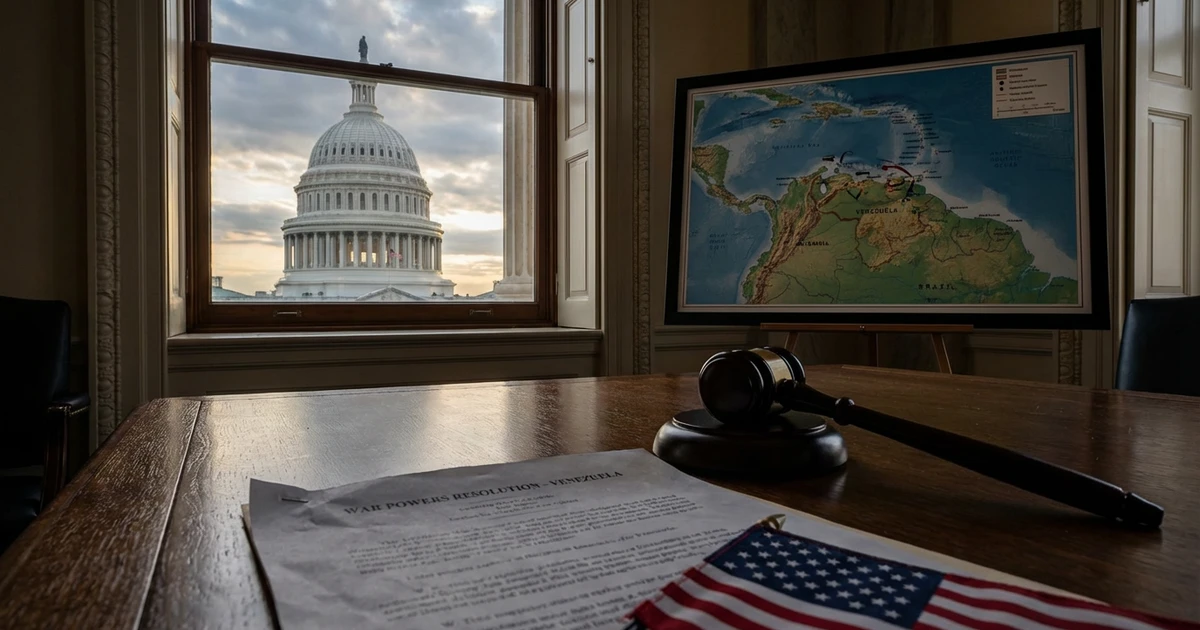
In a closely watched decision, the U.S. House of Representatives voted down a war powers resolution designed to block President Trump from deploying American troops to Venezuela. The move highlights ongoing tensions between the legislative and executive branches over control of U.S. military actions abroad.
Background: The Push for War Powers Oversight
Calls to restrict presidential authority on military intervention have intensified in recent years, particularly in response to shifting U.S. foreign policy priorities. The latest resolution in the House sought to invoke the War Powers Act, aiming to prevent the White House from unilaterally committing American forces to operations in Venezuela without explicit Congressional approval.
Key Details from the House Vote
- The House voted down the war powers resolution on January 22, 2026.
- The measure specifically targeted President Trump's ability to send troops to Venezuela.
- The outcome maintains the executive branch’s authority to initiate military action in Venezuela without direct Congressional consent.
Context: U.S.-Venezuela Relations and Congressional Concerns
The resolution’s introduction reflected bipartisan concerns about escalating U.S. involvement in Venezuela’s ongoing political and humanitarian crisis. Lawmakers have debated whether military intervention would help stabilize the region or risk deepening the conflict and drawing the U.S. into another protracted engagement.
Implications for Presidential Military Authority
This vote marks the latest chapter in a longstanding debate about the balance of power between Congress and the President regarding the deployment of U.S. military forces. By turning down the resolution, the House effectively reaffirmed the executive branch’s wide latitude under current statutory frameworks, despite periodic calls for reform of the War Powers Act.
What’s Next?
With the resolution’s defeat, the Trump administration retains the ability to move forward with potential military operations in Venezuela. However, the debate is likely to continue, with some lawmakers pushing for renewed efforts to reassert Congressional oversight and clarify the limits of presidential authority in future conflicts.
For ongoing updates on U.S. foreign policy and Congressional actions, visit the CBS News politics section.
Sources
- [1]CBS News