Politics
House Republicans advance $95 billion war and voter ID package
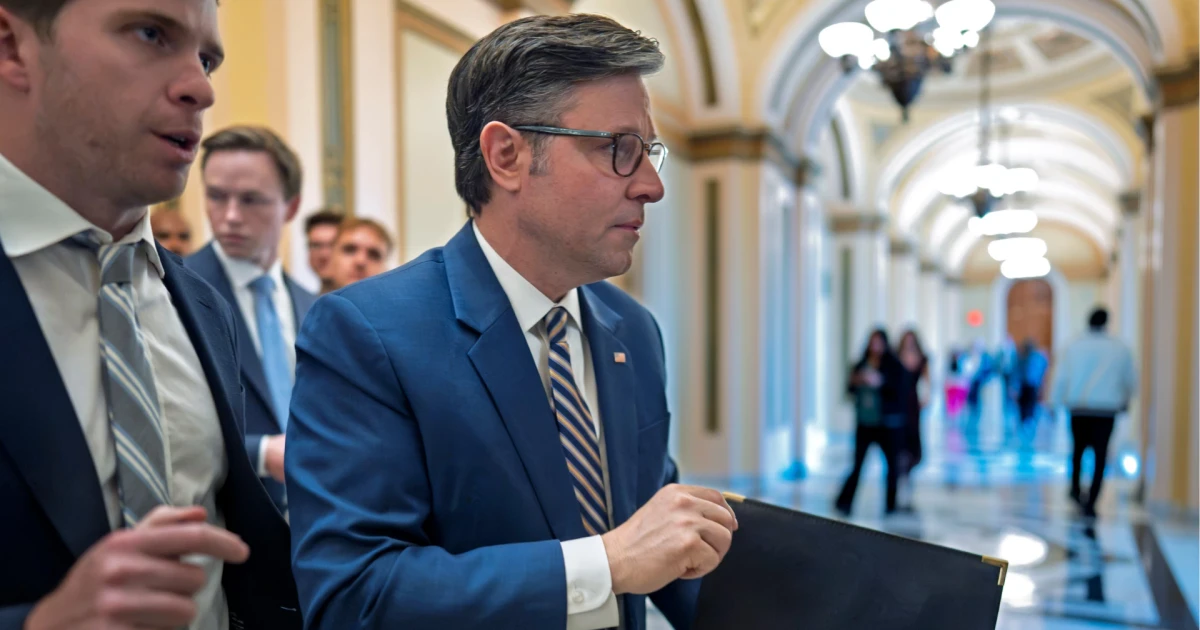
House Republicans advanced a $95 billion budget blueprint on July 16, but the vote did not itself fund the Iran war or release any money for farm aid or election changes. The measure, approved by the House Budget Committee, was the third reconciliation bill and was designed to move without a single Democratic vote, even as party divisions widened over how far to go in backing President Donald Trump’s agenda.
The package combined three politically charged priorities: war spending, aid for farmers and Trump’s push for strict new voter ID requirements. That mix exposed the central tension inside the Republican conference, where national-security hawks have been pressing for more money to sustain the war effort while fiscal conservatives remain wary of another large spending bill, especially one moving months before the midterm elections.
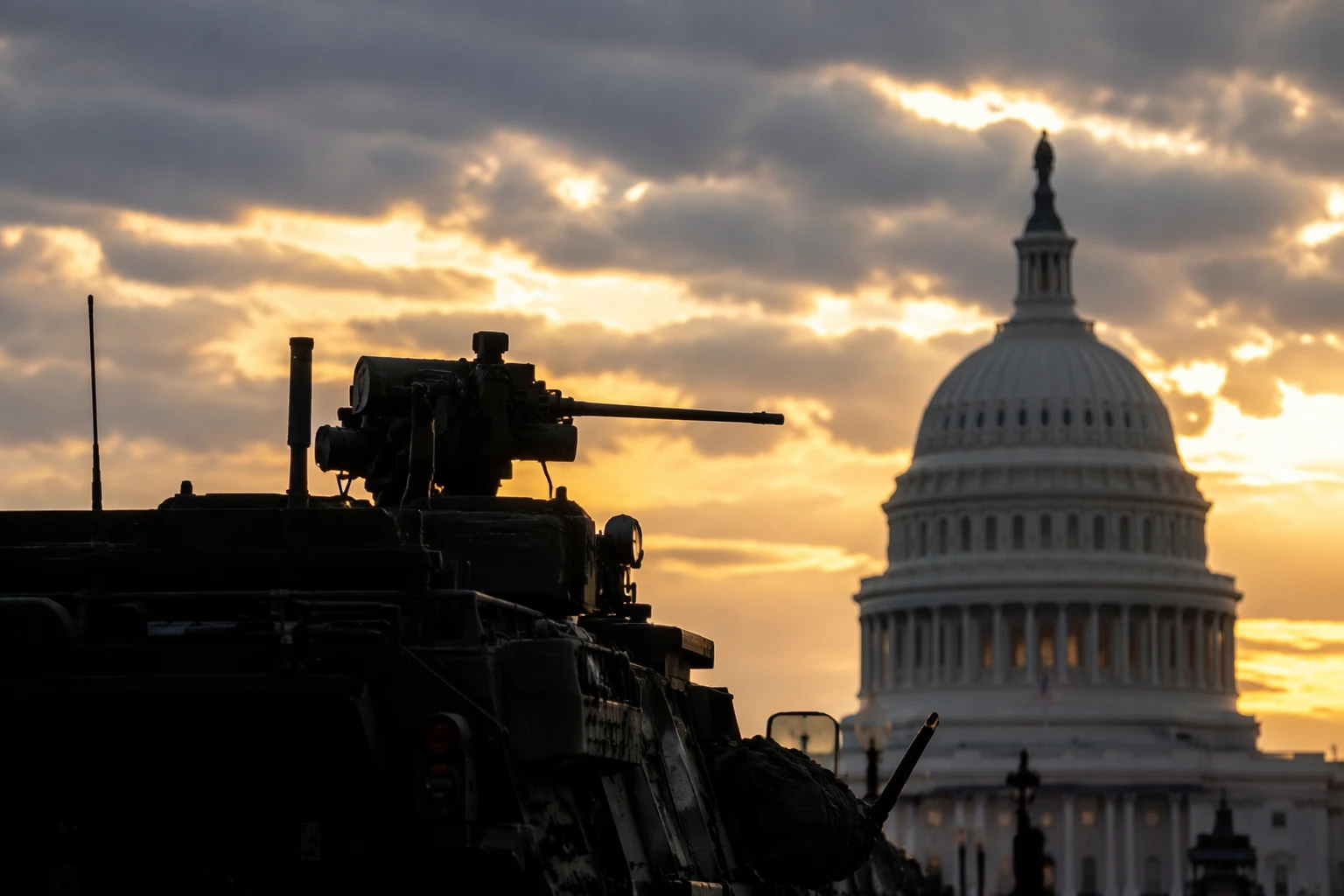
The White House had formally asked Congress for $87.6 billion to cover the war, support U.S. farmers and meet related needs, giving the House figure its near-match in size. But the committee action was only the opening step in a reconciliation process; the blueprint set the stage for later votes, rather than final passage or immediate spending.
The path ahead looked far rougher in the Senate, where the same package faced much dimmer prospects. House Republicans moved it through despite internal resistance, underscoring that the fight was not only about party-line politics but also about whether Speaker-led Republicans could keep their conference united behind Trump when war funding was on the table.
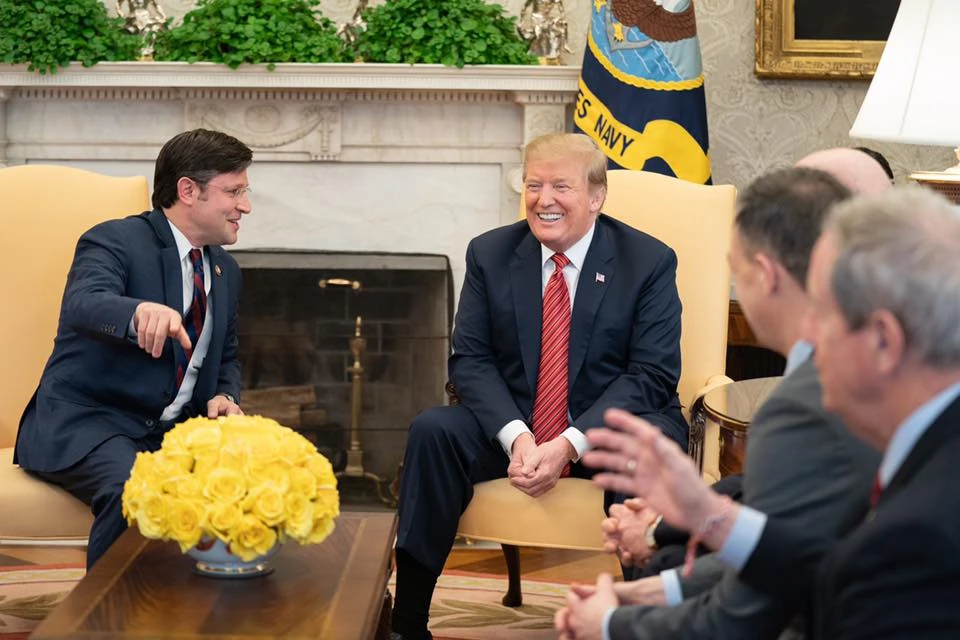
That pressure came against a broader political backdrop that made the stakes higher. The war was deeply unpopular in polling, and the timing, just months before the midterm elections, gave the measure added urgency for Republicans eager to show they could deliver on national security while also advancing Trump’s domestic priorities. At the same time, later House votes on war powers showed that some lawmakers wanted Congress to curb or end the conflict, while others continued to back funding and military action, leaving the final shape of the fight unsettled on Capitol Hill.
Sources
- [1]nytimes.com
- [2]abcnews.com
- [3]news10.com
- [4]apnews.com