Politics
House Republicans Narrowly Block Resolution to Curb Trump's Venezuela War Powers
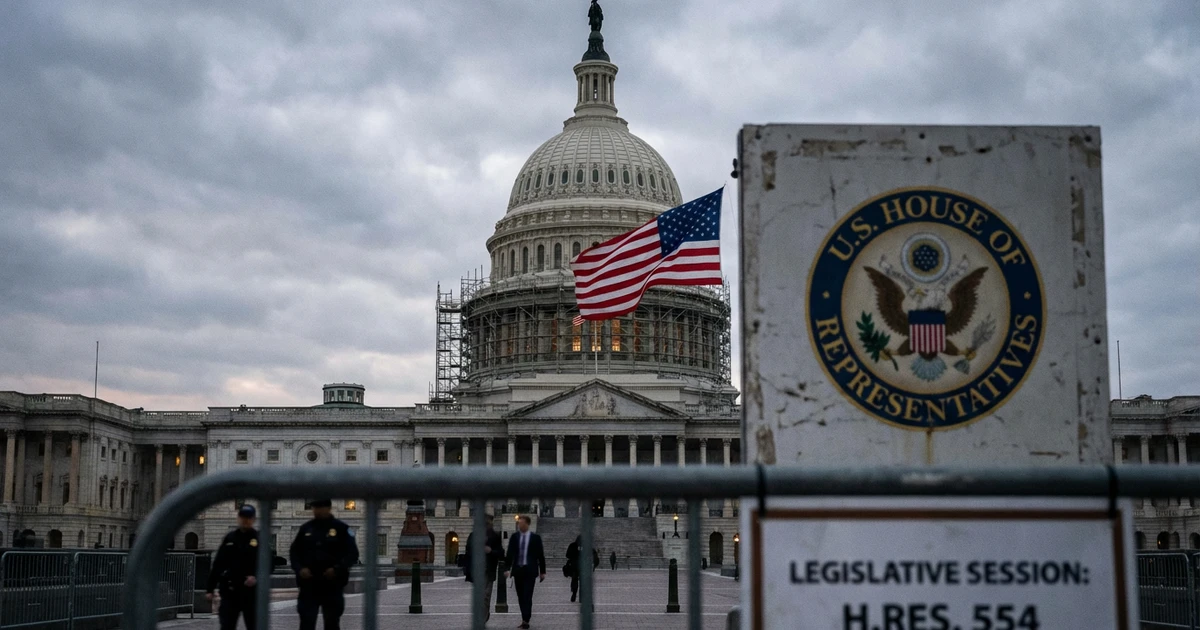
WASHINGTON, D.C. — In a razor-thin decision that underscored deep partisan divisions, the U.S. House of Representatives narrowly rejected a resolution aimed at limiting President Donald Trump’s authority to initiate military action against Venezuela. The vote, which took place late Wednesday, marks a significant development in the ongoing debate over war powers and congressional oversight of foreign policy.
Resolution to Check Executive Power Fails
The proposed measure sought to assert congressional authority over the president’s ability to deploy American military force in Venezuela without explicit legislative approval. Supporters argued that such a check was critical to prevent escalation and to ensure proper debate over U.S. involvement in foreign conflicts.
- The resolution was defeated by a narrow margin, with House Republicans largely unified in opposition.
- According to reports, the vote was closely watched as a test of Congress’s willingness to challenge the executive branch on matters of war and peace.
Partisan Divide and Political Context
Both ABC News and Reuters highlighted the deep partisan split at the heart of the vote. Most Republicans opposed the measure, arguing that it would unduly limit the president’s flexibility in responding to international threats. Democrats, meanwhile, largely supported the resolution, framing it as a necessary step to uphold the Constitution’s separation of powers.
- Supporters of the resolution pointed to recent actions and rhetoric from the Trump administration regarding Venezuela as cause for concern.
- Opponents maintained that the president must retain the ability to act swiftly in defense of U.S. interests abroad.
Implications for U.S. Policy on Venezuela
The vote comes amid ongoing tensions between the United States and the Venezuelan government. The Trump administration has maintained a hardline stance, including economic sanctions and public statements about the potential use of military force.
- The failure of the resolution leaves President Trump’s war powers intact with respect to Venezuela.
- Lawmakers from both parties continue to debate the appropriate level of congressional oversight for military interventions in Latin America and beyond.
Looking Ahead: The War Powers Debate Continues
Although the effort to rein in the president’s war powers was unsuccessful, the close margin of the vote suggests that the issue remains contentious on Capitol Hill. Many observers expect further attempts to revisit the subject, especially as U.S. foreign policy toward Venezuela remains a flashpoint in domestic politics.
For continued updates on the balance of power between Congress and the executive, and for the latest on U.S. policy in Venezuela, readers can monitor official House proceedings and congressional records.
Analysis: The defeat of the war powers resolution represents more than a legislative setback for its supporters; it highlights the ongoing struggle over checks and balances in American government. As tensions with Venezuela persist, the question of who holds the authority to send U.S. troops into conflict remains at the forefront of the national conversation.