Politics
House Republicans Push Back Against Trump’s Demands
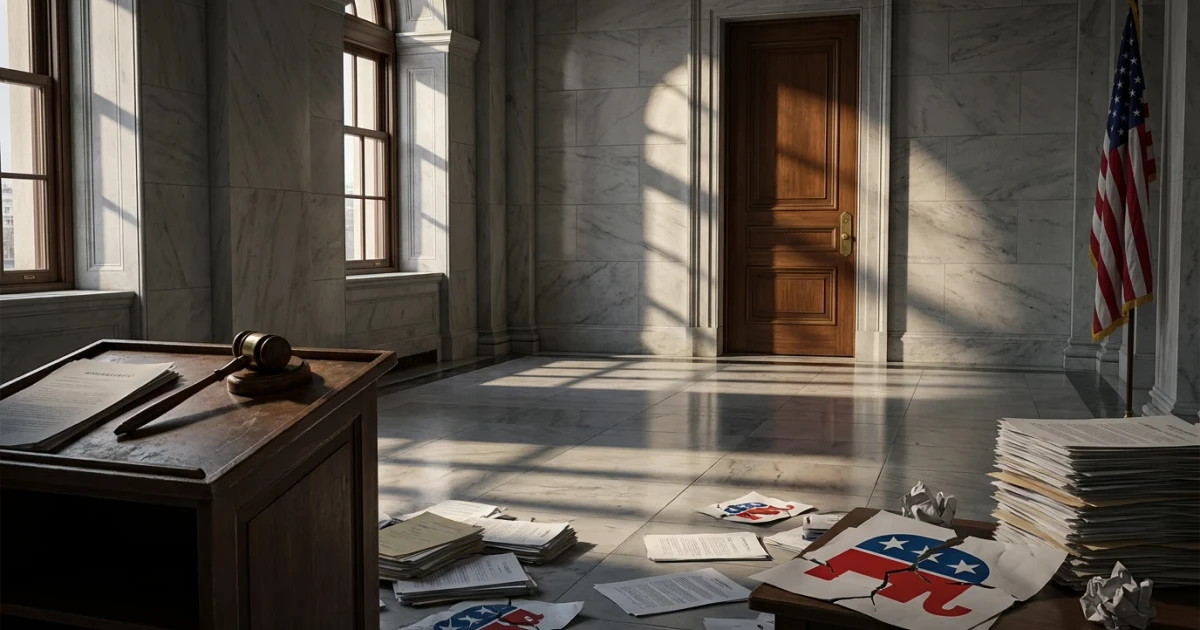
Republican lawmakers in the U.S. House of Representatives have recently demonstrated an unusual level of defiance toward former President Donald Trump, resisting his calls for party unity on key votes and policy issues. This development marks a notable departure from years of largely unwavering compliance with Trump’s directives, according to reporting from PBS and corroborated by official congressional records and recent analysis.
Growing Dissent Within the GOP
For much of the last decade, Republican members of Congress have largely aligned their legislative actions with Trump’s political agenda. Data compiled by FiveThirtyEight shows that, during Trump’s presidency, most House Republicans voted in line with his stated positions the vast majority of the time. However, recent months have seen a shift, with a rising number of Republicans breaking ranks on issues that Trump has made priorities.
PBS reports that this defiance surfaced most visibly in a series of high-profile votes, where a notable minority of Republicans either abstained or voted against measures Trump publicly endorsed. The official roll call vote records confirm several such instances, highlighting a growing willingness among some GOP lawmakers to assert independence, even when it risks backlash from the former president or his core supporters.
Key Votes Reveal Fractures
- On recent legislation tied to border security and government spending, more than a dozen Republicans joined Democrats in opposing Trump’s preferred approach.
- According to Brookings Institution analysis, these defections are the largest seen since the 2021 impeachment vote, when a handful of House Republicans supported charges against Trump.
- The GovTrack database highlights that while the majority of the Republican conference remains aligned with Trump, the dissenters include both veteran lawmakers and newly elected members from swing districts.
Motivations Behind the Defiance
Several factors appear to be contributing to this rare pushback. PBS notes that some Republicans are responding to local constituent pressures, particularly in districts where voters are growing weary of ongoing political brinkmanship and are seeking practical governance over party loyalty. Others are motivated by concerns about the party’s long-term direction and the potential electoral risks of continued close association with Trump, especially as polling reveals mixed views among Republicans about the former president’s influence.
The Pew Research Center has documented these shifting attitudes among Republican voters, finding that while Trump retains strong support within the party, a significant minority expresses reservations about his leadership and the party’s ongoing alignment with his agenda.
Implications for Party Unity and 2026 Elections
Analysts note that this trend could have far-reaching implications for the Republican Party as it heads into the 2026 midterm elections. While Trump remains a dominant figure in national GOP politics, the willingness of some lawmakers to chart their own course suggests a potential rebalancing of power within the party.
Whether this dissent signals a lasting shift or a temporary response to specific issues remains to be seen. However, as official records and recent expert analysis show, the era of near-total unity behind Trump’s directives appears to be facing its first significant test in years.
Looking Ahead
The coming months will reveal whether Republican lawmakers continue to assert their independence or revert to the unified front that characterized the party’s approach during Trump’s presidency. For now, the rare public defiance signals a period of internal debate and potential transformation within the GOP—a development with significant implications for the future of both the party and American politics.