Politics
House Votes to Halt Iran Military Action Amid Trump Tensions
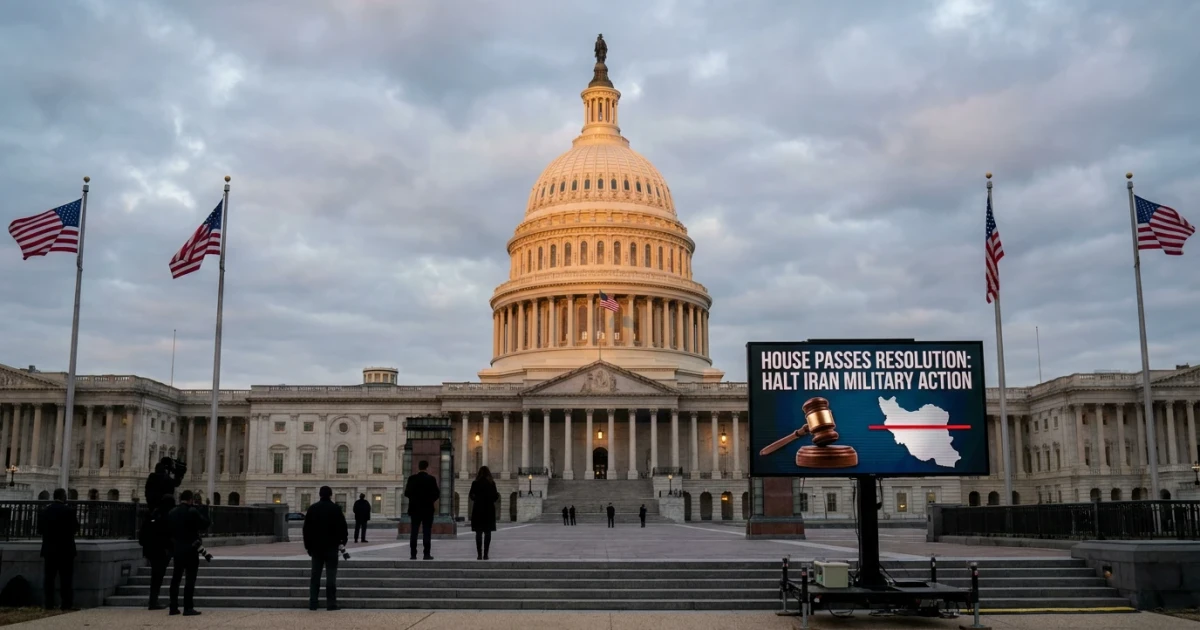
The US House of Representatives has voted to halt military action against Iran, delivering a bipartisan rebuke to President Trump and intensifying debate over congressional authority in matters of war. The move, as reported by BBC and The Hill, reflects mounting concerns in Washington over executive overreach and the ongoing conflict in the Middle East.
Resolution Seeks to Restrict Presidential War Powers
The legislation, known as the Iran War Powers Resolution, aims to curtail the president’s ability to engage in military operations against Iran without explicit congressional approval. The House’s action follows a series of escalations between the US and Iran, with lawmakers questioning the legal basis and potential consequences of military strikes.
- The resolution requires President Trump to end unauthorized military engagement in Iran.
- It asserts Congress’s constitutional power to declare war, referencing the War Powers Resolution.
- The measure passed with support from both Democrats and a number of Republicans, highlighting bipartisan concern.
The House’s decision is seen as a direct challenge to Trump’s foreign policy, with both BBC and The Hill noting the growing divide between Congress and the White House on the issue.
Bipartisan Support and Political Implications
The passage of the resolution underscores a rare moment of bipartisan unity on national security matters. According to official roll call vote records, several members from both parties joined forces to assert congressional oversight. The Hill reported that the move was widely described as a “rebuke” to Trump, who has argued that his administration’s actions are necessary to protect American interests.
- Bipartisan lawmakers expressed concern over the lack of consultation before recent military actions.
- The vote reflects broader public unease, as seen in Pew Research Center surveys on US-Iran relations.
- Supporters of the resolution emphasized the need for transparency and accountability in military decisions.
Constitutional Context and Historical Precedents
This action draws on longstanding debates about the balance of power between Congress and the president. The Congressional Research Service documents frequent tensions over compliance with the War Powers Resolution, a 1973 law designed to prevent unilateral military action by the executive branch.
- Presidents have often bypassed congressional approval for limited military engagements.
- Congress’s move is part of efforts to reassert its constitutional role in authorizing war.
- The resolution’s passage does not automatically end military operations; it signals strong legislative intent.
The BBC coverage emphasized the symbolic importance of the House vote, even as the Senate’s stance remains uncertain.
Next Steps and Potential Impact
While the House’s vote sends a clear message, the resolution faces an uncertain future in the Senate, where opinions are more divided. The Hill noted that similar measures have met resistance from Senate leadership and the White House, raising questions about the effectiveness of congressional checks on presidential war powers.
Public opinion on the matter remains split, with recent polls showing Americans divided over Trump’s Iran policy. The debate is likely to continue as lawmakers, the administration, and the public weigh the risks and responsibilities of US involvement in the region.
Analysis: Congressional Assertiveness and Ongoing Debate
The House’s passage of the Iran War Powers Resolution reflects a renewed effort by Congress to reclaim authority over military decisions, challenging the scope of presidential power in foreign affairs. The bipartisan nature of the vote underscores widespread concern over unchecked executive action, especially in volatile global contexts.
As the legislative process moves forward, the outcome will shape future dynamics between the branches of government and signal the US’s approach to conflict management. For those following the issue, the official resolution summary and timeline offer ongoing updates and insights into congressional efforts to oversee military policy.