Politics
House Votes to Repeal Trump-Era Tariffs on Canadian Imports
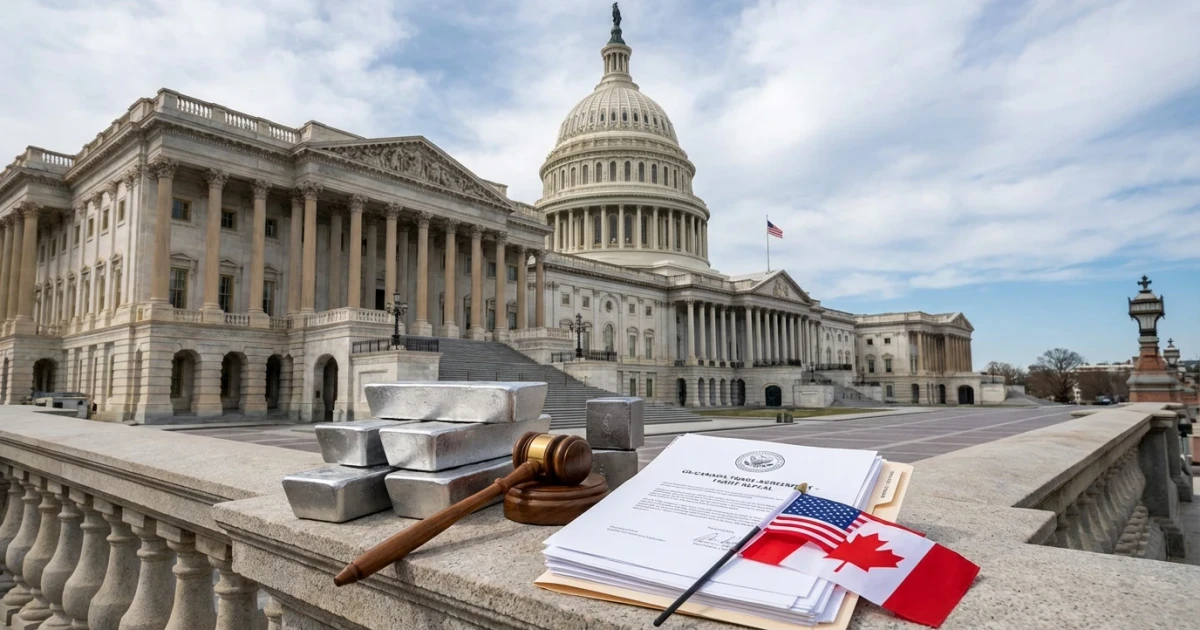
The US House of Representatives has voted to repeal tariffs imposed on Canadian steel and aluminum, marking a rare bipartisan challenge to the previous administration's trade agenda and signaling a shift in US-Canada economic relations.
Background on Tariffs and Their Impact
The tariffs, introduced under Section 232 by former President Donald Trump, placed a 25% duty on steel and a 10% duty on aluminum imports from Canada, citing national security concerns. These measures were part of a broader effort to bolster US manufacturing, but faced criticism from lawmakers, business groups, and international partners. According to official US Customs and Border Protection documents, the tariffs went into effect in 2018 and affected billions of dollars in trade annually.
A US International Trade Commission report found that these tariffs led to higher input costs for American manufacturers, retaliatory duties from Canada, and disruptions in cross-border supply chains. The tariffs were also challenged at the World Trade Organization, with Canada arguing the measures violated international trade rules.
Bipartisan Vote Reflects Changing Priorities
On Tuesday, the House voted to overturn the tariffs in a rare display of bipartisan unity, as reported by BBC, ABC7 Chicago, and CNBC. The measure, known as H.J.Res.90, passed with support from both Democrats and Republicans, underscoring widespread concerns about the tariffs' economic and diplomatic impacts.
- Canada is the United States' second-largest trading partner, with cross-border goods and services trade totaling more than $600 billion annually, according to US Census Bureau data.
- The tariffs had prompted Canada to impose retaliatory duties on US products, affecting sectors from agriculture to manufacturing.
- The bipartisan nature of the House vote reflects broad industry and regional support for normalizing trade ties with Canada.
Economic Implications for US and Canada
Industry groups have long argued that the tariffs raised costs for US manufacturers and consumers. The US International Trade Commission's analysis estimated that US domestic prices for steel and aluminum products increased by 4-6% following the tariffs. Retaliatory measures from Canada targeted US goods such as whiskey, orange juice, and various agricultural products, further impacting American exporters.
Canadian government data from Statistics Canada shows that trade in steel and aluminum products between the two countries dropped sharply after the tariffs' implementation, highlighting the broad economic effect on both sides of the border.
Political and Diplomatic Reactions
The House vote is seen as a rebuke of the Trump administration’s approach to trade policy. ABC7 Chicago described the outcome as a "rare bipartisan rebuke of White House agenda," while CNBC emphasized the significance of Congress asserting its authority on tariff policy. The BBC noted that this move could ease ongoing trade tensions with Canada and restore a more cooperative economic relationship.
What Comes Next?
The resolution now moves to the Senate, where its prospects remain uncertain. If passed, the legislation would require the current administration to roll back the tariffs, potentially restoring pre-2018 trade norms. Observers note that the outcome could set a precedent for future congressional involvement in US trade policy, especially regarding the use of Section 232 authorities.
While the vote represents a significant shift in Washington’s trade priorities, further debate in the Senate and ongoing negotiations with Canada and other trading partners are likely to shape the final outcome. For now, the House's bipartisan action signals a renewed focus on stable trade relations and economic cooperation across North America.