US News
Houston’s Sunnyside cleanup movement grows into monthly community effort

A single resident’s response to illegal dumping has turned into a recurring cleanup rhythm in Sunnyside, where neighbors now show up to clear trash, debris and vacant lots together. The shift matters because it is not a one-off beautification project; it is a visible example of civic repair taking root in Houston’s historic African American community in southern Houston.
Why Sunnyside became the starting point
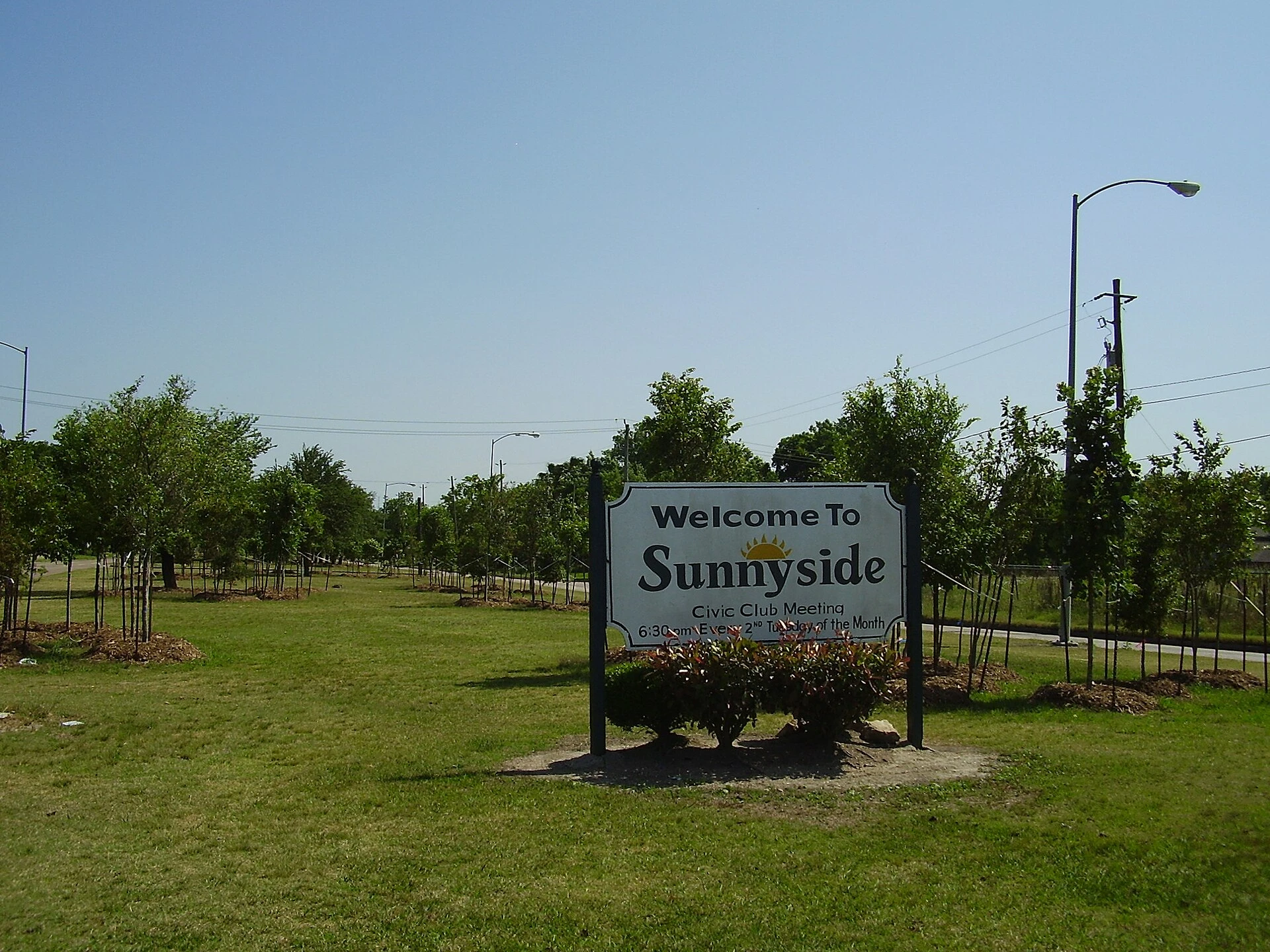
Sunnyside carries deep history and long memory. The neighborhood is recognized as one of Houston’s oldest historically African American communities, with Sunnyside Place platted in 1912, and the area’s community plan has treated local leadership as part of that story for years. The May 2016 Sunnyside Neighborhood Plan includes a wide list of stakeholders and honors the late Rodney L Jones as a passionate neighborhood historian, caring landlord and irreplaceable leader of Sunnyside.
That context helps explain why cleanup work resonates there. In a place where residents have long organized around neighborhood survival and pride, illegal dumping is not just an eyesore. It becomes a public signal that a block has been left to absorb problems others refuse to handle, which makes visible cleanup work both practical and symbolic.
How Clean the Block works on the ground
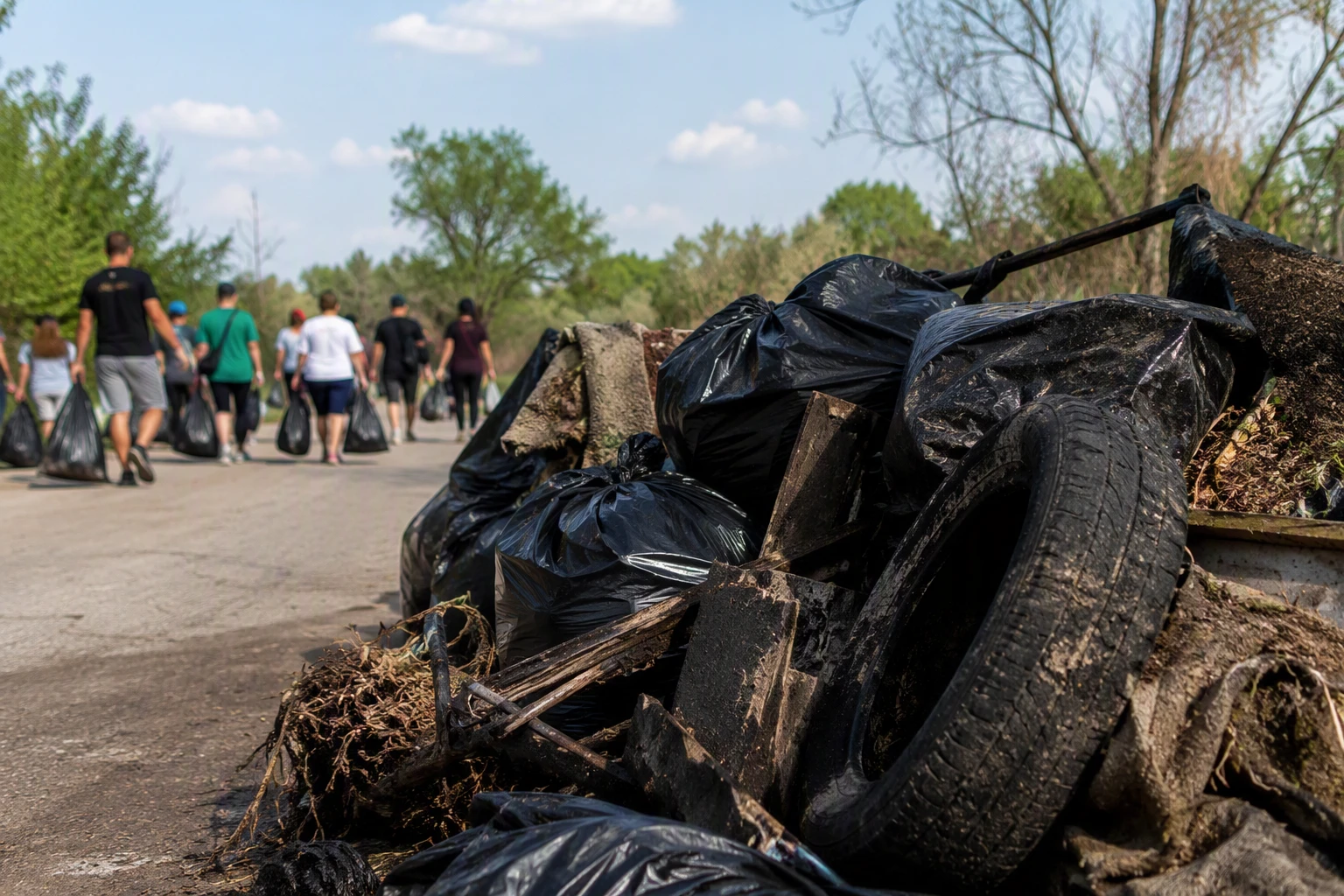
Clean the Block grew into a monthly community initiative focused on restoring pride and cleanliness across Houston neighborhoods, beginning with Sunnyside. Its stated purpose is straightforward: remove illegal dumping, trash and debris while building healthier, greener communities.
The structure is part of what makes it repeatable. Volunteers are organized to work from 12:00 PM to 4:00 PM, and the cleanup supplies the basics people need to participate: trash cans, trash bags, gloves, tools and equipment. One event listing also noted that a Dumpster would be on site, which turns a neighborhood pickup into a serious haul-away operation instead of a symbolic sweep.
That kind of setup lowers the barrier to entry. People do not need specialized equipment or prior experience; they need a few hours, a willingness to work, and a place to start. The result is a model that can be copied in other neighborhoods facing the same problem, especially where illegal dumping has become routine.
How one resident turned frustration into participation
Andrew Beaver is the resident most closely identified with the movement. By February 1, 2026, his grassroots effort to combat illegal dumping in Sunnyside was gaining momentum as volunteer support grew. A community post from Black&Brown Success described Andrew as the visionary behind Clean the Block, framing him as the person who turned a neighborhood complaint into a shared mission.
That kind of visible leadership matters. Residents are more likely to join a cleanup when the work is steady, local and personally modeled by someone they know lives with the same conditions they do. The movement’s growth from a small idea to a monthly effort by April 22, 2026 shows how quickly participation can scale when the organizer is present, the task is specific, and the payoff is immediate.
One Sunnyside cleanup with Clean The Block and SoleTies Running Club drew more than 200 volunteers. That number is more than a turnout headline; it is proof that neighborhood action can cross social circles when the invitation is clear and the cause is concrete.
What makes the formula work
The Sunnyside effort offers a simple template for civic repair that other communities can adapt:
• Consistency: monthly cleanups turn concern into habit instead of one-time outrage.
• Visibility: one resident, Andrew Beaver, anchored the effort in a real face and a real block.
• Local pride: the work is framed as restoring beauty and cleanliness in Sunnyside, not importing outside solutions.
• Shared labor: partners such as SoleTies Running Club widened the circle and helped bring in more than 200 volunteers.
• Practical tools: supplies and a set work window from noon to 4 p.m. make participation manageable.
Those ingredients also help build trust. When a cleanup shows up again and again at the same time, with the same neighborhood focus and a clear goal, people can plan for it, bring others and believe their time will matter. That is how a block-by-block effort becomes a community routine.
What the movement says about public health and neighborhood equity
Illegal dumping is rarely just about litter. Trash and debris on streets, sidewalks and vacant lots can drag down the quality of daily life, especially in neighborhoods that have already been burdened by disinvestment. Clean the Block’s emphasis on healthier, greener communities points to the public health side of the issue as well as the visual one.
In Sunnyside, the cleanup movement also highlights a familiar equity gap: some neighborhoods spend years compensating for neglect with volunteer labor that should not be necessary in the first place. Yet the scale of participation, from a growing volunteer base to a single cleanup drawing more than 200 people, shows how residents are reclaiming control anyway. That is why Sunnyside’s monthly effort is more than a cleanup. It is a working model for how neighborhood pride, repeated action and local leadership can change what a community expects from itself and from the city around it.
Sources
- [1]abcnews.com
- [2]khou.com
- [3]abc13.com
- [4]simpletix.com
- [5]facebook.com
- [6]tshaonline.org
- [7]texashousers.org