US News
Houston's Viet-Cajun crawfish blends Vietnamese roots with Cajun spice
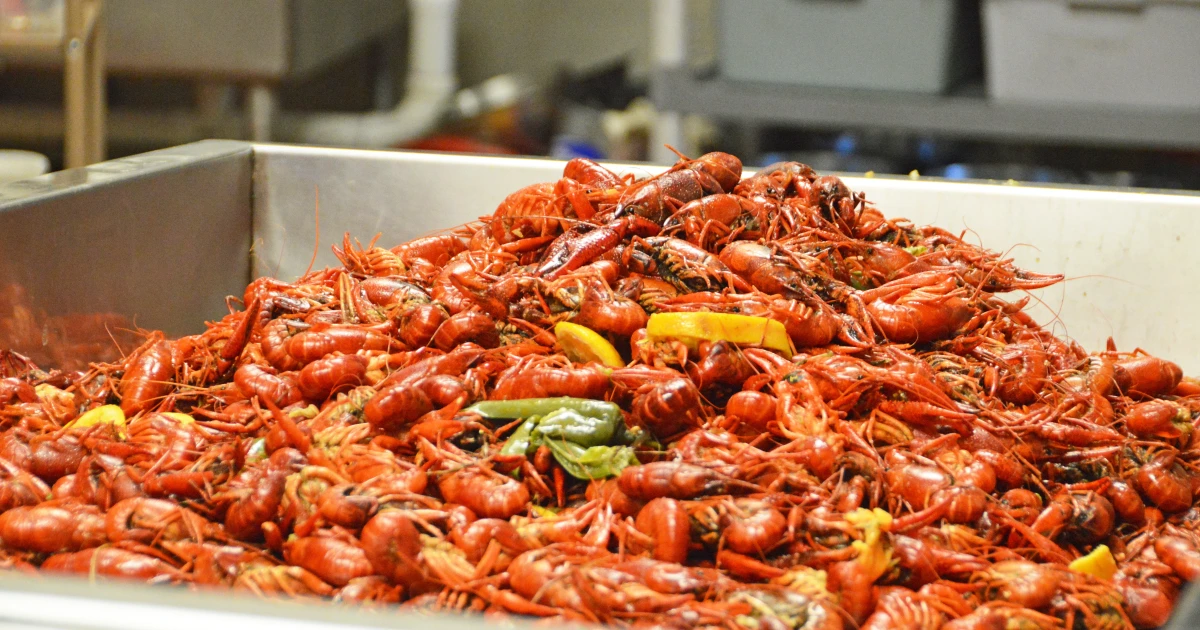
Houston’s Viet-Cajun crawfish is a kitchen-born account of how American food changes when migration meets local tradition. The dish grew out of Houston’s Vietnamese immigrant community after the 1975 fall of Saigon, then hardened into a distinct style by the early 2010s, with garlic butter, bold seasoning, and Gulf Coast crawfish pulling from two food worlds at once.
A Houston dish built from migration
Chef Trong Nguyen’s story captures the logic behind the plate. He came from Vietnam as a teenager in the 1980s and saw that the clean, bright flavors he knew growing up worked naturally with the earthy, smoky spice of Cajun cooking. That insight helped define a style that is now tied to Vietnamese refugee immigration and to the city’s large Vietnamese community, especially in Asiatown and Little Saigon.
Houston Public Media describes Viet-Cajun crawfish as a true Houston original with Gulf and Vietnamese influences, and that label fits the dish’s history. This is not a borrowed recipe simply transplanted from Louisiana or Vietnam. It is a local invention shaped by people who rebuilt their lives in Houston and translated a familiar crawfish boil into a new culinary language.
How the boil changed
The backbone of the dish is still Gulf crawfish, but the seasoning profile shifts the experience. Instead of stopping at a classic Cajun boil, Viet-Cajun crawfish leans into Vietnamese-style garlic butter sauces and a heavier, more layered spice treatment. That is why the dish reads as both familiar and new: the shellfish and boil culture come from Louisiana, while the sauce logic reflects Vietnamese home cooking and seasoning traditions.
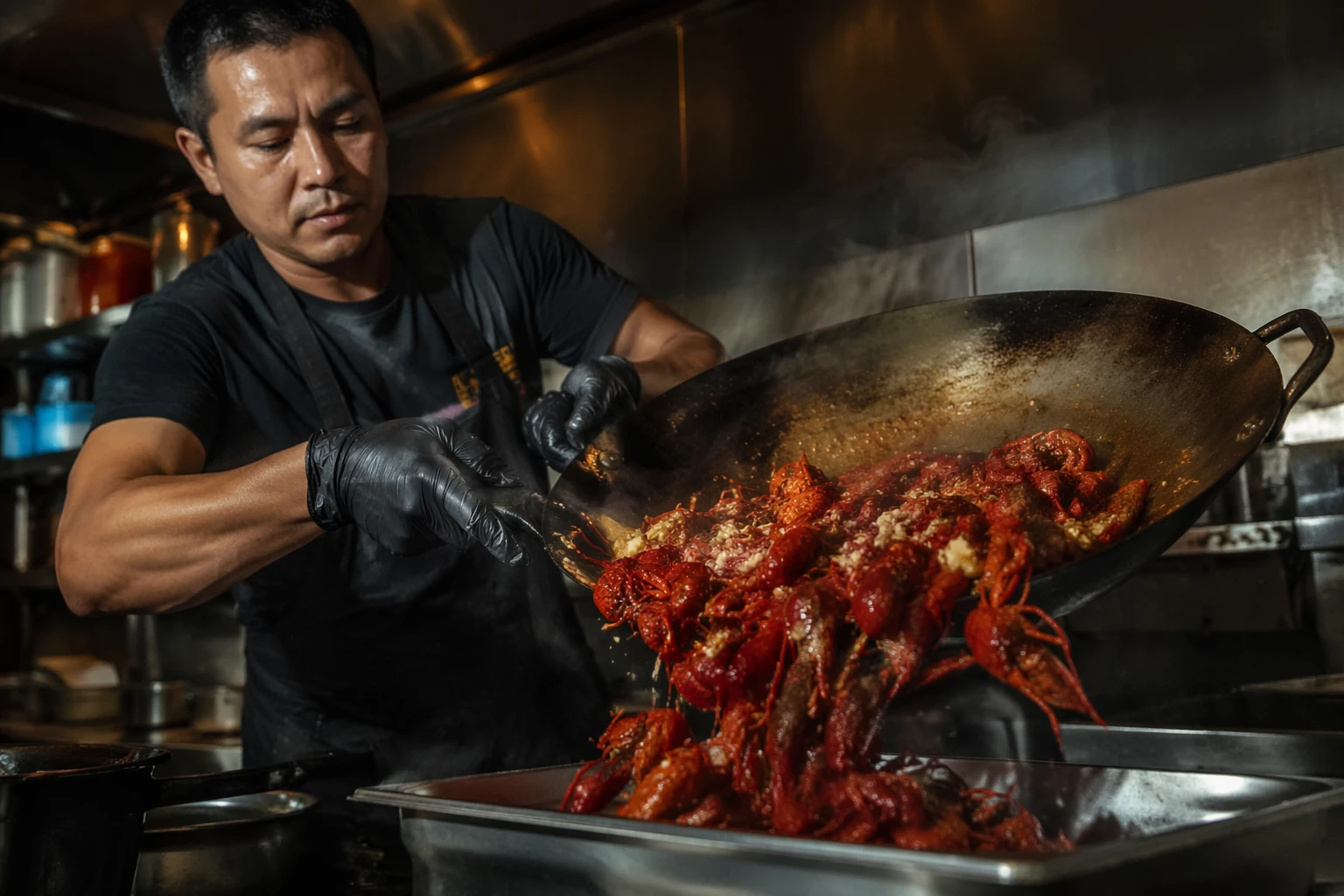
The broader Louisiana story matters here. Crawfish became commercially important in southern Louisiana in the late 19th century, and Cajun cuisine itself grew out of Native American, West African, French, and Spanish influences. Houston’s Vietnamese cooks did not invent crawfish culture from scratch; they adapted an already hybrid Southern food and made it speak to their own pantry, memory, and palate.
That adaptation is what gave the style staying power. Houston restaurant coverage now routinely lists Viet-Cajun alongside traditional Cajun crawfish, and Houston Chronicle guides note that diners can find traditional Cajun, Viet-Cajun, buttery, and spicy crawfish on the same citywide map of boil spots. The Chronicle has also called Houston home to the definitive Viet-Cajun crawfish, a sign that the city now sees this once-novel style as part of its standard food identity.
Where the style took root
Asiatown and Little Saigon became the key centers of the cuisine, and that geography says as much about Houston as any menu item. In those neighborhoods, Vietnamese-owned restaurants turned crawfish into a way to serve both community memory and local demand, making the dish visible to a broader public while keeping its immigrant roots intact. Houston Chronicle coverage of Asiatown points to Crawfish & Noodles as a pioneer in Viet-Cajun cuisine, known for its garlic butter crawfish.
That neighborhood concentration also explains why the dish became a marker of local pride. Houston Public Media links it directly to Vietnamese refugee history, while Texas Monthly describes Viet-Cajun crawfish as a Houston variation on the bayou tradition. Put together, those descriptions show a city where a refugee community did more than preserve foodways: it reshaped a Southern staple into something Houstonians now claim as their own.
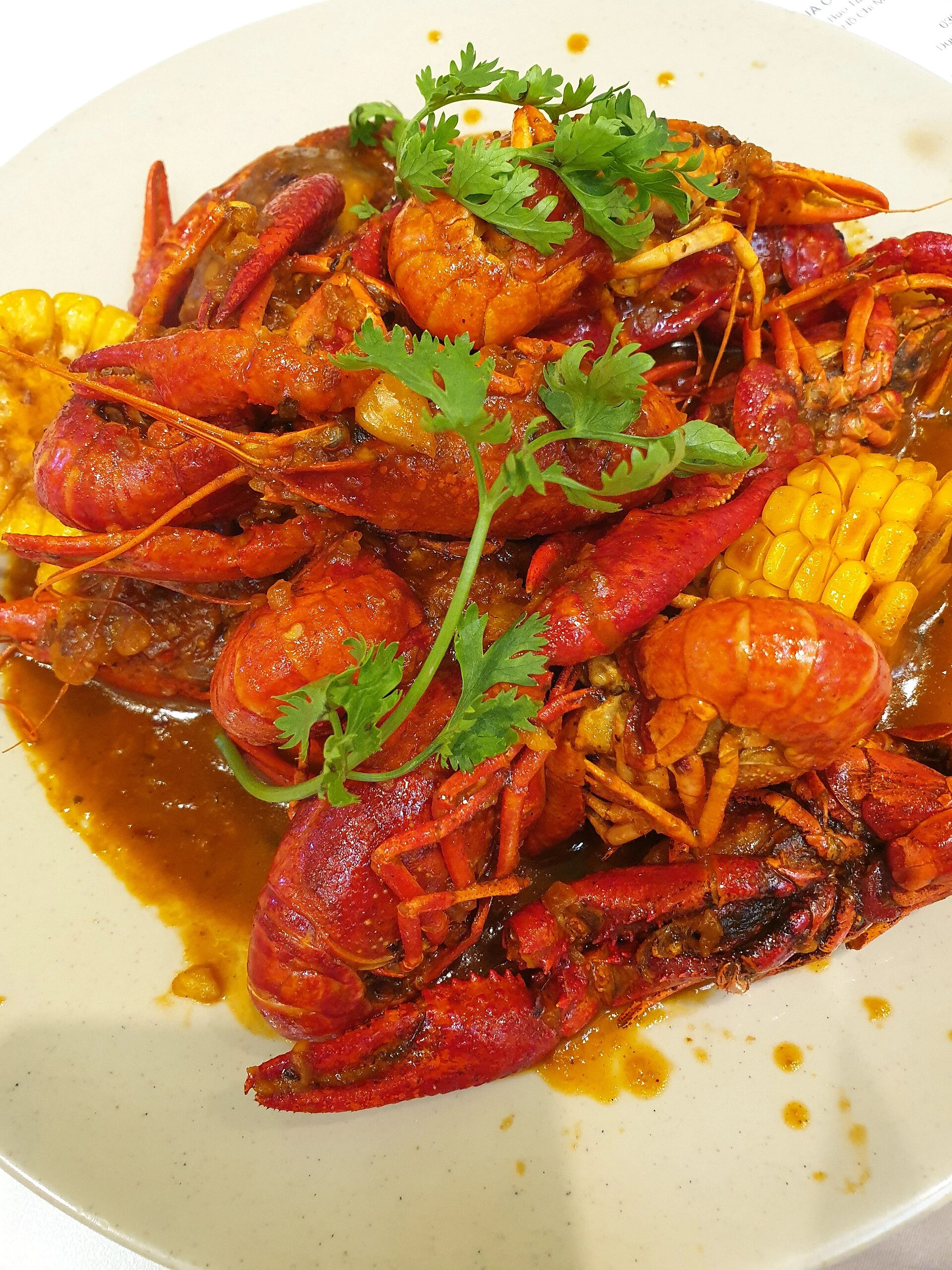
The result is a dish that sits comfortably beside older Cajun boils without losing its distinct identity. In Houston, that matters because authenticity is not treated as a fixed origin story. It is measured by whether a food reflects the people who actually live, work, and cook in the city, and Viet-Cajun crawfish does that through its blend of Gulf seafood, Vietnamese seasoning, and Houston neighborhood culture.
Why the season drives the demand
Crawfish culture in Houston is also seasonal, and that seasonality helps explain the citywide appetite for Viet-Cajun boils. Houston crawfish season typically peaks in March, April, and May and runs into late June or early July, when restaurants across the city see heavy demand. During those months, the style shows up everywhere from established crawfish houses to neighborhood restaurants that fold the dish into broader Gulf Coast menus.
That timing gives the dish a civic rhythm. Spring in Houston is when Viet-Cajun crawfish moves from specialty item to citywide habit, drawing in diners who might otherwise default to traditional Cajun seasoning. The volume matters too: when a dish has to satisfy a whole metropolitan crawfish season, it stops being a novelty and starts functioning as a shared regional ritual.
Houston’s Viet-Cajun crawfish tells a broader American story in a distinctly local key. It links Vietnam to Louisiana, refugee history to restaurant culture, and a city’s immigrant neighborhoods to one of its most recognizable foods. In Houston, the question of who gets to define authentic American food is answered in garlic butter, heat, and a boil pot that never stayed within one tradition for long.