World
Houthis Claim Missile Strike on Israel Amid Iran Conflict
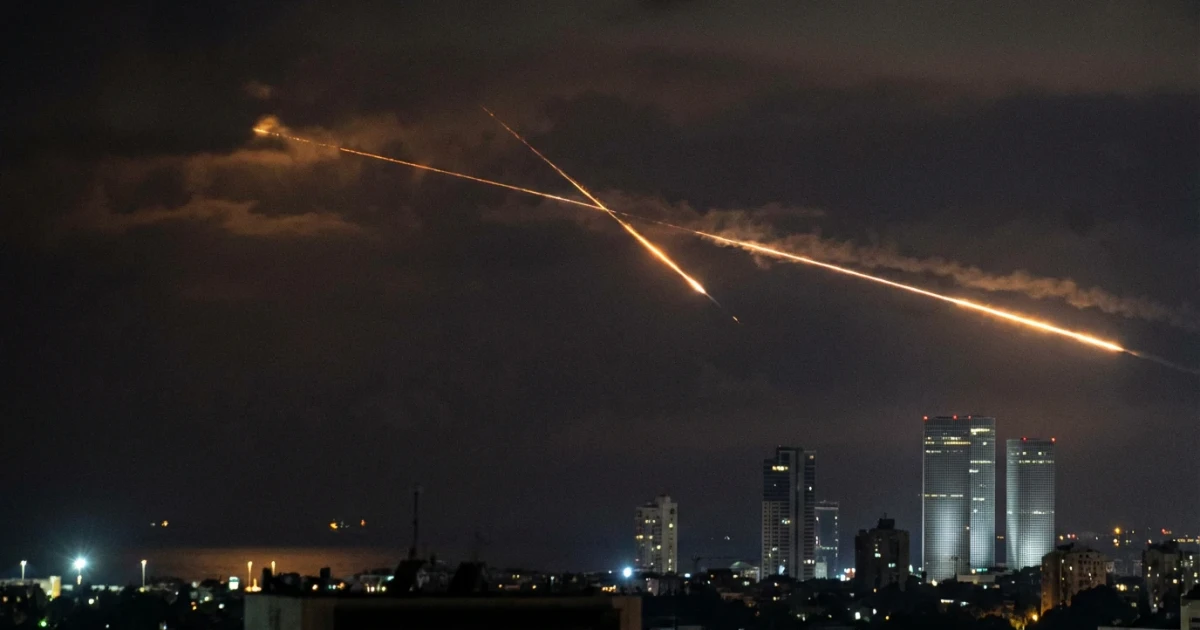
Regional tensions intensified as the Houthi movement announced it had launched a missile attack on Israel, marking a significant escalation in the ongoing conflict involving Iran. The development comes as world leaders, including Ukrainian President Volodymyr Zelenskyy, are engaging in diplomatic efforts in the Middle East.
Houthis Declare Entry Into Iran-Israel Conflict
The Houthi movement, a Yemeni armed group supported by Iran, publicly claimed responsibility for a missile strike against Israel. This announcement, reported by DW.com, signals a new phase in the conflict, with the Houthis expanding their operations beyond the Red Sea and Gulf of Aden to directly target Israel in solidarity with Iran. The group’s involvement adds another layer to the already complex web of regional alliances and hostilities.
Israeli Defense Responds to Missile Threat
According to Israeli military officials, the IDF successfully intercepted a Houthi cruise missile before it could reach Israeli territory. The interception underscores the effectiveness of Israel's air defense systems, which have been on high alert since fighting escalated with Iran and its proxies. While no casualties or significant damage were reported, the attempted attack highlights ongoing risks to civilian and military targets across the region.
- Israel’s missile defense data shows a sharp uptick in attempted missile and drone attacks since the broader Iran conflict began.
- The Houthis have previously targeted international shipping in the Red Sea, but direct attacks on Israel signal a wider operational scope, as detailed in CSIS analysis.
International Diplomatic Activity
While military tensions rise, diplomatic efforts are also underway. Ukrainian President Volodymyr Zelenskyy was reported to be in the United Arab Emirates, highlighting the global attention the Middle East conflict is attracting. Although Zelenskyy's visit is not directly linked to the Houthi attack, it illustrates the interconnectedness of international security concerns and the importance of diplomatic channels amid regional crises.
Background: Houthis and Regional Alliances
The Houthis, also known as Ansarallah, have been engaged in Yemen’s civil conflict for years and are recognized for their use of missile and drone technology supplied by Iran. Their alignment with Tehran places them at the forefront of proxy engagements in the region. The UN Security Council has listed the group under sanctions for destabilizing activities, with official records outlining their role in attacks beyond Yemen’s borders.
Their latest missile strike against Israel reflects both increased capability and willingness to participate in wider regional hostilities, especially in the context of the current Iran-Israel confrontation.
Escalating Risks and Humanitarian Concerns
While this attack was intercepted, the risk of further escalations involving multiple regional actors remains high. Ongoing tensions threaten not only military stability but also humanitarian conditions in Yemen and neighboring countries, as documented in UN human rights reports.
Outlook
The Houthis’ claimed attack on Israel demonstrates the potential for the Iran conflict to draw in additional armed groups and expand geographically. As both military and diplomatic responses unfold, the situation remains fluid, with international actors monitoring for further escalations and seeking avenues for de-escalation.