World
Houthis Launch Missile Attack on Israel, Escalating Regional Conflict
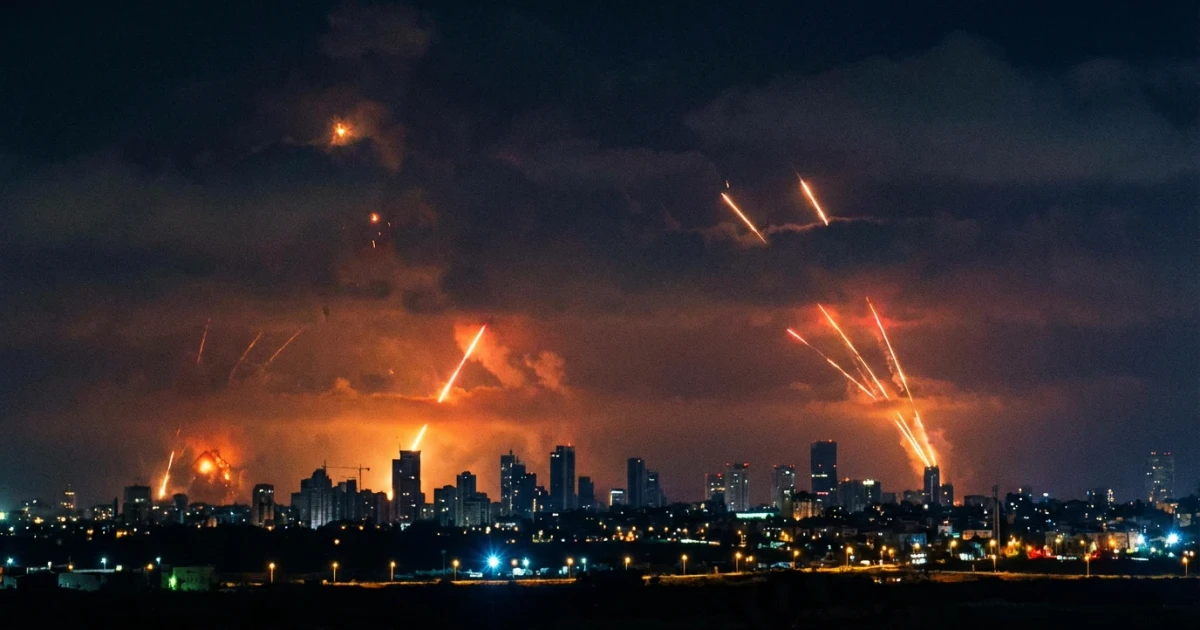
Iran-backed Houthi forces in Yemen have fired missiles at Israel, marking a significant escalation in the ongoing conflict between Iran and Israel. The missile attack, reported by The New York Times, represents the first direct military involvement by the Houthis in the current war, raising concerns over a broader regional conflagration.
Houthi Missiles Target Israel
According to The New York Times, the Houthis launched missiles toward Israel on Thursday, March 28, 2026. The attack is seen as a direct response to the intensifying hostilities between Iran and Israel, with the Houthis acting as a key Iranian proxy in the region. The precise number of missiles fired, the targets, and the extent of any damage or casualties were not immediately confirmed in the initial reports.
Who Are the Houthis?
The Houthis are a Yemeni militant group with a history of missile and drone attacks against regional adversaries, including Saudi Arabia and the United Arab Emirates. Backed by Iran, they have developed a robust arsenal of missiles and drones, allowing them to strike targets far beyond Yemen’s borders. Their entry into the Iran-Israel war signals a new phase in the regional conflict and highlights the growing role of Iranian proxy groups in Middle Eastern security dynamics.
Regional Impact and Escalation Risks
The Houthi missile attack on Israel raises the risk of a wider regional war. With Iran already engaged in direct confrontation with Israel, the Houthis’ involvement could draw in other Iranian-backed groups, such as Hezbollah in Lebanon and various militias in Iraq and Syria. The United Nations has previously imposed sanctions on the Houthis for arms transfers and regional attacks, underscoring the international community’s concerns about their military capabilities and intentions.
- Iran provides the Houthis with advanced missile technology, enabling long-range strikes.
- Houthi missiles have previously targeted military and civilian infrastructure in Saudi Arabia and the UAE.
- The group’s involvement in the Iran-Israel conflict could prompt retaliatory strikes and further destabilize the region.
Missile Capabilities and Previous Attacks
Data from the CSIS Missile Defense Project shows that the Houthis possess a range of ballistic and cruise missiles, some with reported ranges capable of reaching Israel. Past missile attacks have demonstrated varying degrees of accuracy and effectiveness, with most being intercepted by missile defense systems or falling short of intended targets. The latest attack underscores the evolving threat posed by Yemeni-based missile forces in the broader Middle East conflict.
International Response and Forward-Looking Concerns
The international community is closely monitoring the situation, with calls for restraint to prevent an even larger-scale war. The attack comes amid heightened tensions, with analysts warning that the involvement of proxy groups could prolong and complicate efforts to de-escalate the Iran-Israel confrontation. The United Nations, regional governments, and security analysts are expected to issue further statements as more information emerges about the scope and impact of the Houthi attack.
As the conflict continues, observers will be watching for additional missile launches, possible retaliatory actions by Israel, and responses from other Iranian-aligned groups. The Houthis’ entry into the conflict serves as a stark reminder of the interconnected nature of Middle Eastern security and the persistent risks posed by proxy warfare in the region.