World
Houthis threaten Saudi shipping, raise Red Sea route fears
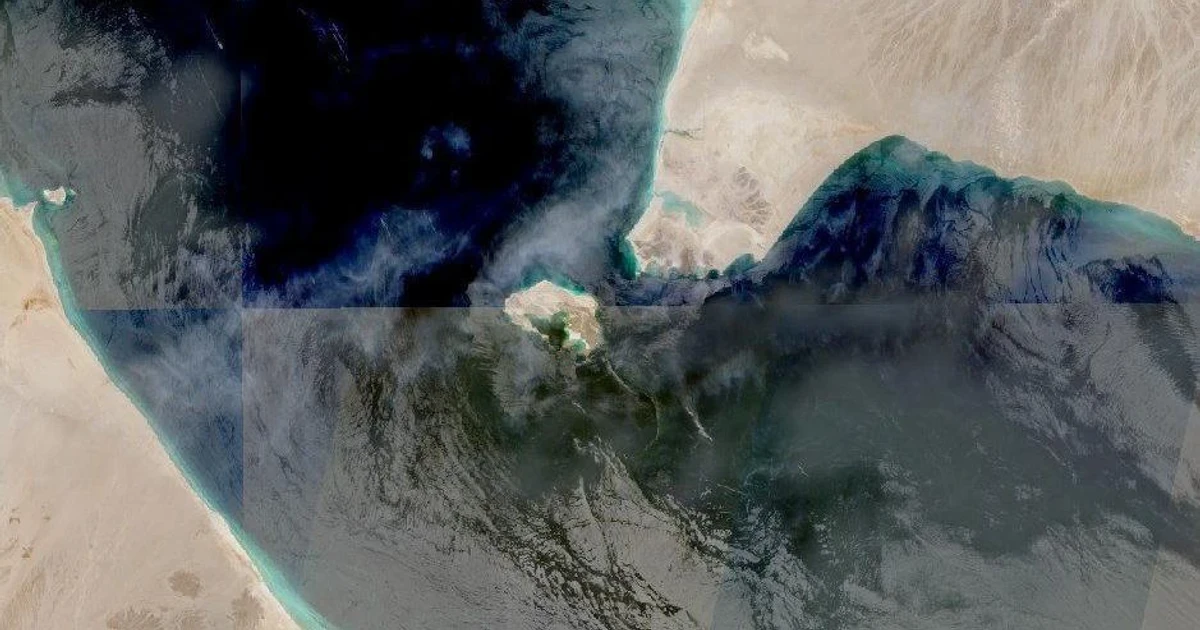
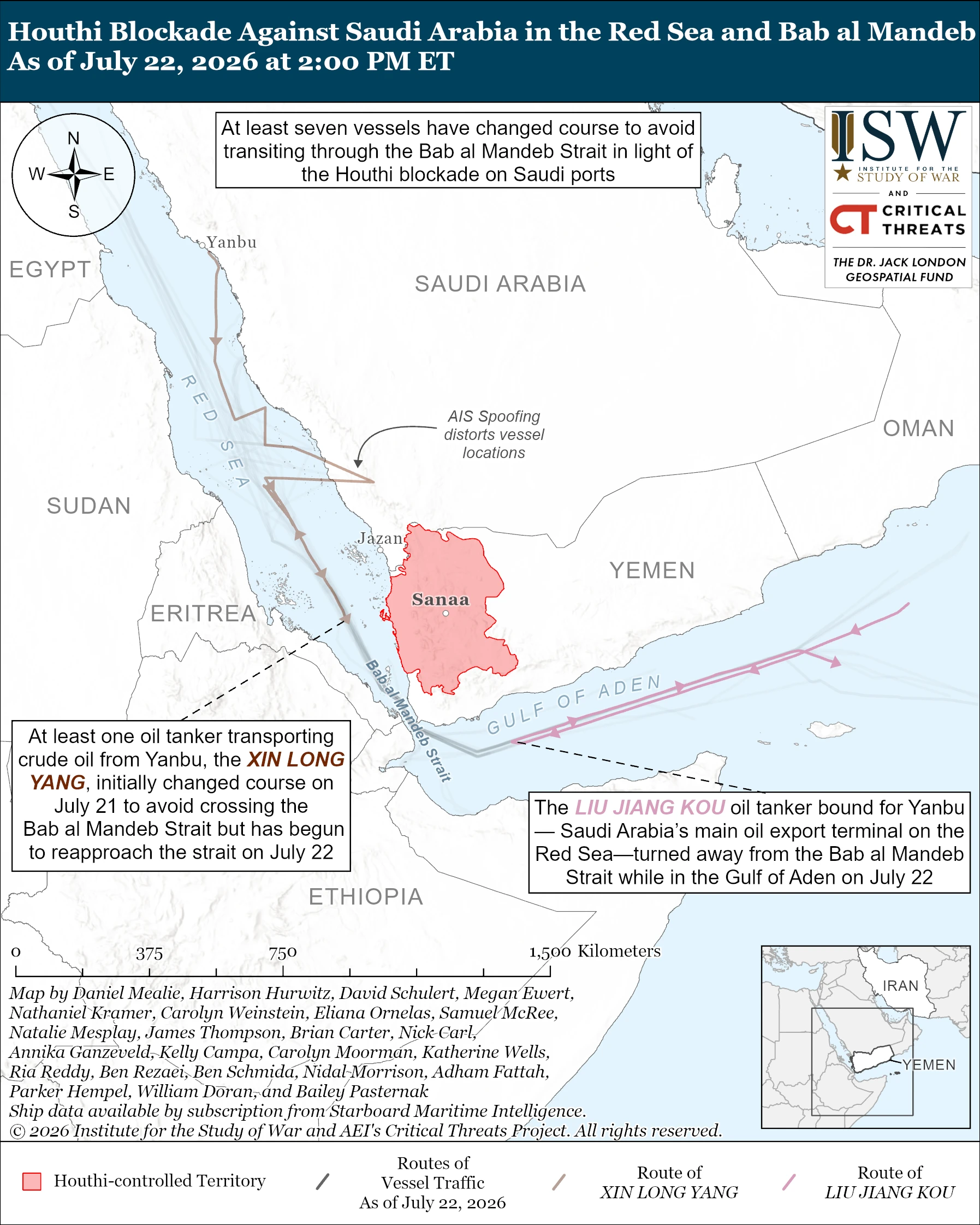
The Houthi movement sent emails warning shipping companies not to load or discharge cargo at Saudi Arabian ports or risk being targeted, and at least seven vessels changed course to avoid the Bab al-Mandeb Strait. The warnings went out on July 21, and the group declared a naval blockade on Saudi Arabia the next day, widening an already volatile maritime campaign in one of the world’s most important shipping corridors.
The Bab al-Mandeb Strait links the Red Sea with the Gulf of Aden and sits on the route that many carriers use to reach the Suez Canal. By the end of 2024, the World Bank said vessel traffic through the Suez Canal and Bab al-Mandeb had fallen by three-fourths from pre-crisis levels, even though those waterways had carried about 30% of world container traffic. As ships detoured around the Cape of Good Hope, navigation volumes there rose by more than 50%, a shift that adds sailing days, fuel burn and freight costs across global supply chains.
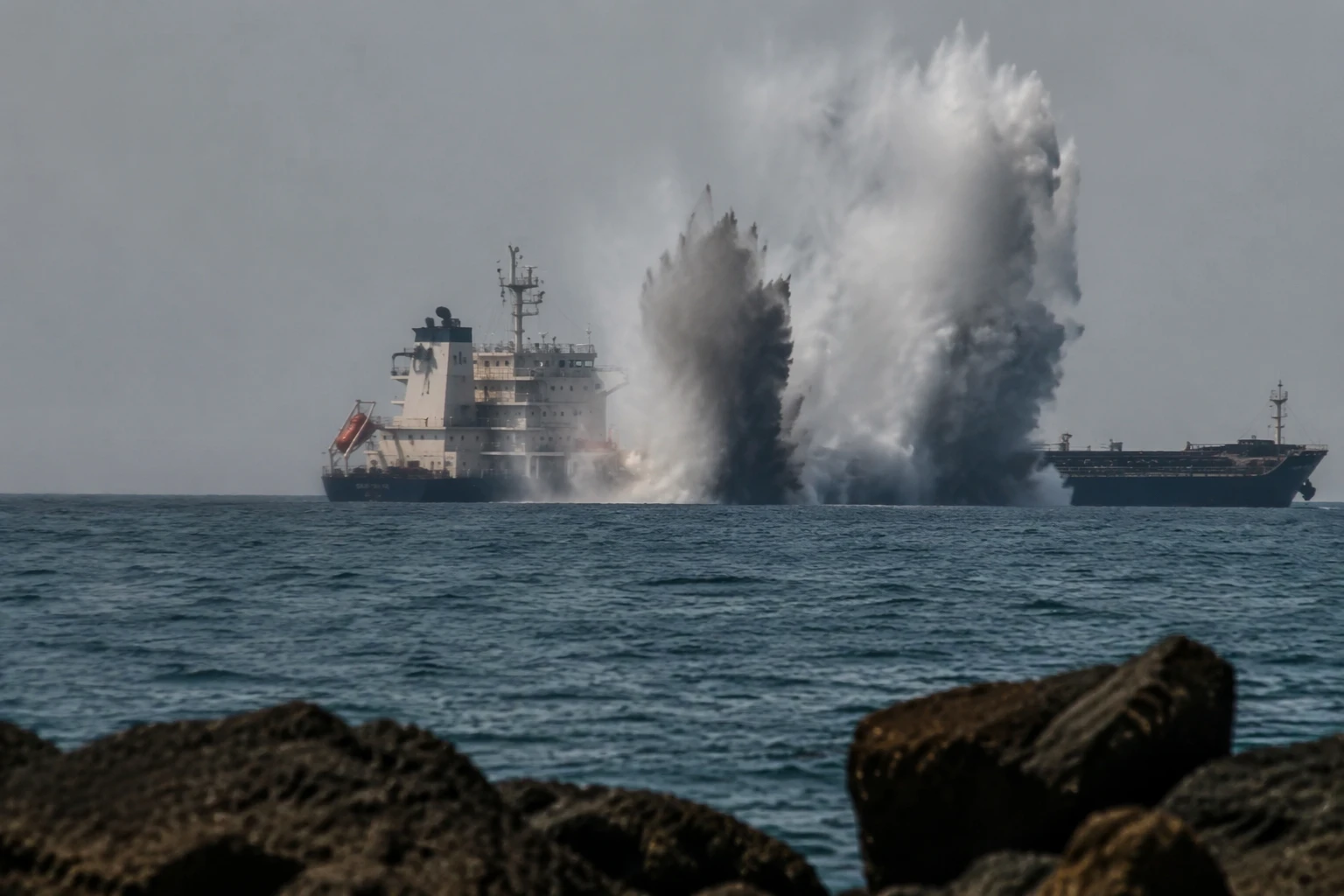
Those costs do not stay confined to shipping lines. Higher war-risk premiums and longer routes can feed into delivered prices for oil, industrial goods and consumer imports, especially when the Red Sea is one of the shortest links between Asia, Europe and the Middle East. The European Union Naval Force warned commercial vessels with links to the United States, Israel and Saudi Arabia to avoid the Red Sea and Gulf of Aden, while Saudi Arabia feared Houthi forces could destroy ships and trigger an environmental disaster in the Red Sea.
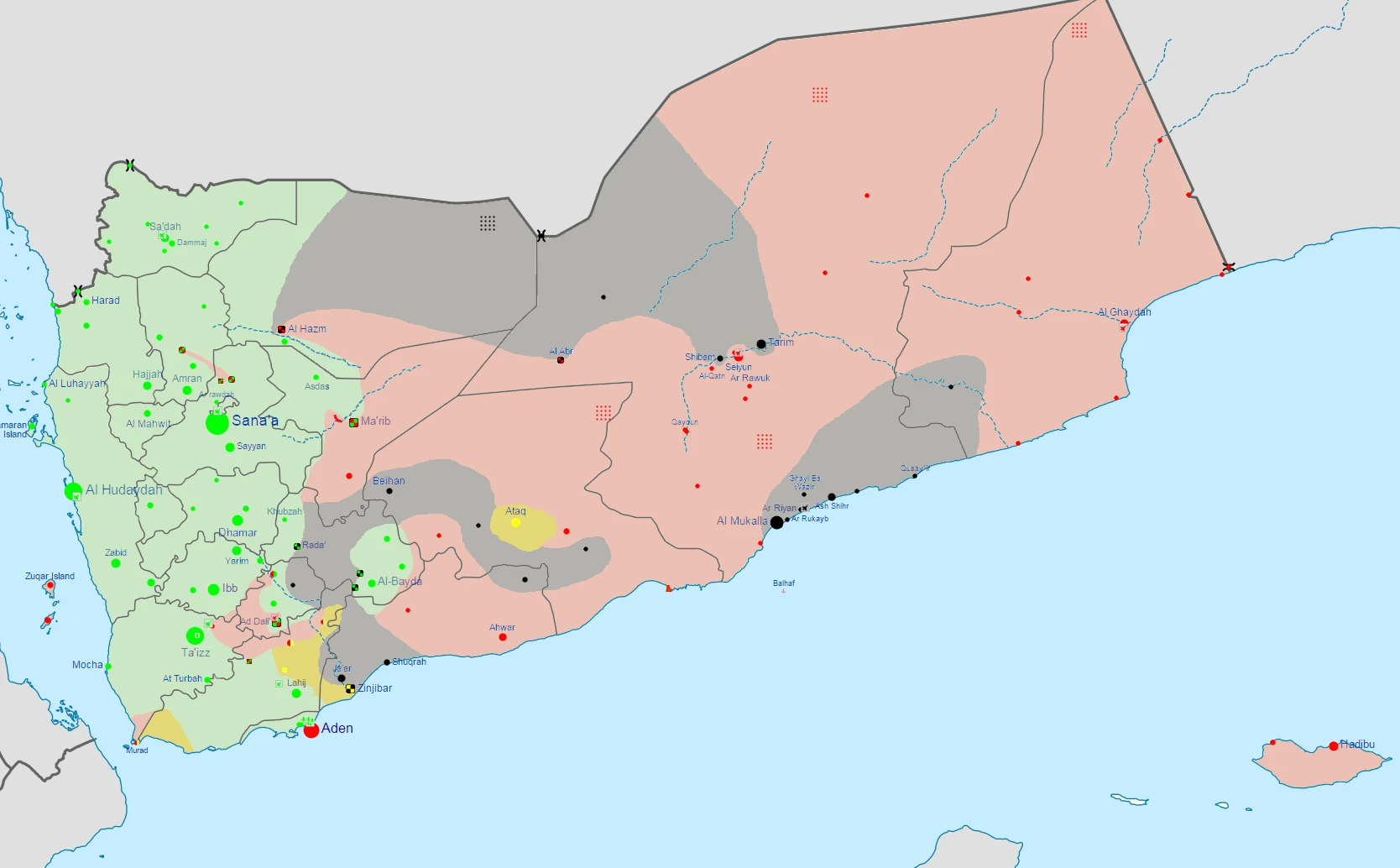
The threat also lands after more than 130 Houthi strikes on merchant ships, part of a campaign that has repeatedly forced carriers to reroute since the Israel-Hamas war began in October 2023. A Defense Intelligence Agency report dated to an April 5, 2024 cutoff said the attacks were placing pressure on international trade. That backdrop has already pushed insurers to price for a more dangerous corridor and has raised concern that further escalation could stretch U.S. naval resources while deepening the risk of a broader regional confrontation.
For markets, the test is whether the latest threat stays a contained Red Sea disruption or becomes another layer in a wider shock to energy transport, shipping schedules and inflation. The immediate signal from carriers is clear: when the Bab al-Mandeb turns hostile, the cost is measured far beyond Yemen and Saudi Arabia, in the price of moving goods to households around the world.
Sources
- [1]bbc.co.uk
- [2]reuters.com
- [3]worldbank.org
- [4]unctad.org
- [5]dia.mil
- [6]cnbc.com
- [7]crisisgroup.org