Technology
How AI Is Shaping the Skills Students Need for Tomorrow’s Jobs
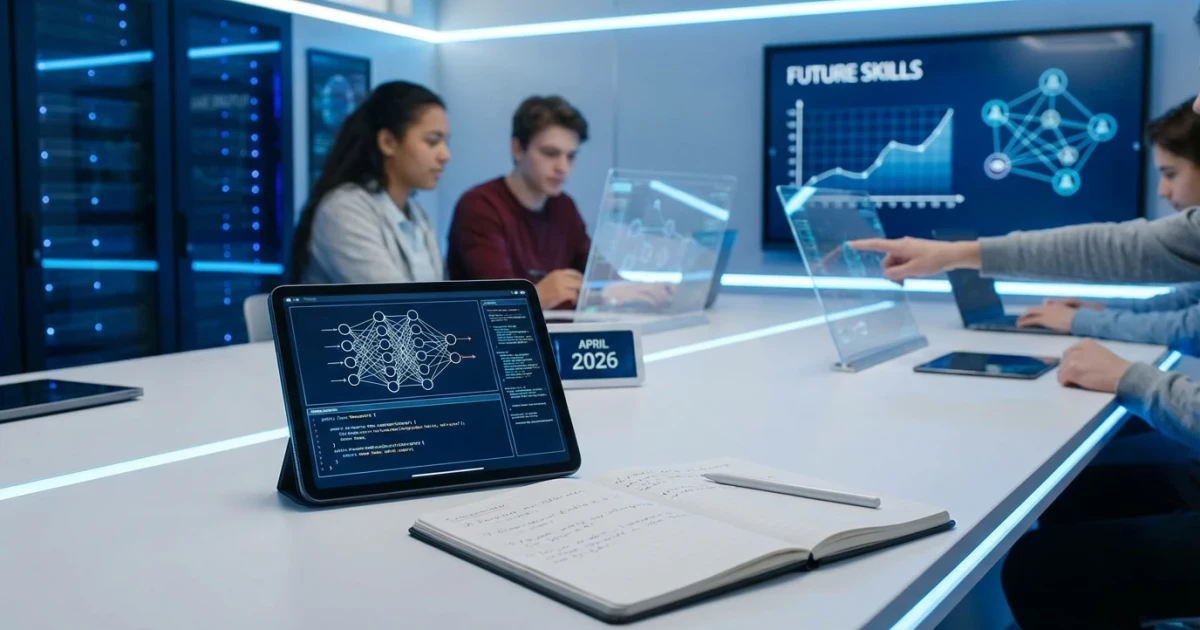
Artificial intelligence (AI) is rapidly transforming the workplace, prompting educators and policymakers to rethink how students are prepared for the future of work. As AI-driven automation and data analysis become more widespread, schools and universities are adapting their curricula to help students build the skills they’ll need to thrive in a changing economy.
The Growing Influence of Artificial Intelligence on Careers
AI technologies now impact a broad range of industries, from computer and information technology to healthcare, finance, and manufacturing. According to the World Economic Forum’s Future of Jobs Report, nearly a quarter of all jobs are expected to change by 2027, with roles related to data analysis, machine learning, and AI development seeing particularly strong growth. At the same time, routine tasks in many sectors are being automated, shifting the skills employers value most.
- AI and digital skills are increasingly in demand, with the OECD’s Skills Outlook 2023 highlighting digital literacy as a key requirement for future employment.
- The U.S. Bureau of Labor Statistics projects that computer and IT occupations will grow much faster than average, adding hundreds of thousands of jobs by 2032.
- UNESCO’s studies on AI in education emphasize the importance of rethinking how we teach critical thinking, creativity, and ethics alongside technical skills.
How Educators Are Responding
Faculty Focus reports that educators are taking a multi-faceted approach to prepare students for the AI-driven workforce. This includes integrating AI concepts across disciplines, not just in computer science, and focusing on adaptable skills that will serve students regardless of how technology evolves.
- Interdisciplinary courses are being developed to connect AI with subjects like music, art, and humanities, encouraging creative problem-solving and ethical reflection.
- There is a shift toward teaching students how to work with AI as collaborators, not just as tools—emphasizing data literacy, computational thinking, and the ability to interpret and question AI outputs.
- Soft skills such as communication, teamwork, and adaptability are being integrated into curricula, as these remain essential even in highly automated workplaces.
As the Faculty Focus article notes, “preparing students for the future of work means fostering not only technical proficiency but also the ability to navigate uncertainty and continuous change.”
Challenges and Opportunities
Despite the progress, significant challenges remain. Access to technology varies widely across schools, as shown by OECD data on ICT access. Many educators are still developing the expertise needed to teach advanced AI concepts, and curricula often lag behind the pace of technological change.
However, new initiatives are emerging to bridge these gaps. UNESCO and other organizations are providing guidelines and resources to help schools integrate AI literacy effectively. Meanwhile, partnerships between industry and education are offering students hands-on experience with real-world AI applications.
Looking Ahead
The rise of AI is reshaping not only which skills are in demand, but also how education systems prepare students for lifelong learning. As the workforce continues to evolve, adaptability, curiosity, and a strong foundation in both digital and human-centered skills will be crucial for future success. Educators, policymakers, and employers alike are called to work together to ensure that students are ready for the opportunities and challenges ahead.