Technology
How Artificial Intelligence Is Changing Parenting
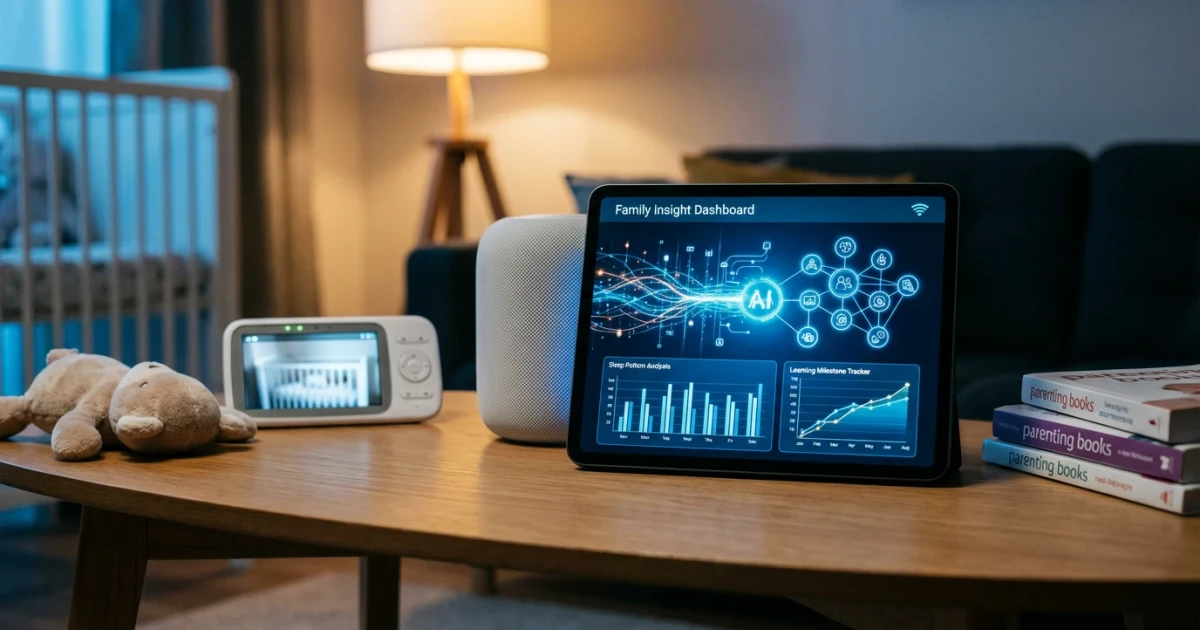
Artificial intelligence (AI) is reshaping many aspects of daily life, and parenting is no exception. With advanced technologies now embedded in everything from toys to homework helpers, families are learning to adapt—and sometimes struggle—to keep pace with the rapid evolution of intelligent systems.
Understanding Artificial Intelligence in the Home
AI, as explored in thenation.com, refers to computer systems designed to perform tasks that typically require human intelligence, such as understanding language, recognizing images, or making decisions. Today's AI spans a wide spectrum, from simple virtual assistants that play music on command to complex algorithms powering content recommendations on social media platforms.
For parents, AI is no longer a futuristic concept—it's an everyday reality. Devices like smart speakers, AI-powered educational apps, and even automated home security systems are finding their way into family routines. The Pew Research Center has tracked a steady rise in the use of AI-driven devices among children, prompting questions about their impact on learning, privacy, and social development.
Opportunities and Benefits for Parents and Children
The American Bazaar highlights how AI tools can support parents in managing their busy lives and enhancing children's education. Some of the positive developments include:
- Personalized learning platforms that adapt to a child's strengths and weaknesses
- Speech recognition apps that help children with reading and language skills
- Smart home devices that automate reminders, schedules, or even bedtime stories
Research from Common Sense Media suggests that many parents appreciate the convenience and educational value of AI-powered technologies, especially as children spend more time learning at home. For example, AI tutors can provide instant feedback on homework, while parental control apps help monitor screen time and online safety.
Challenges and Concerns in the AI Age
Despite these benefits, parents also face new challenges. Both sources note growing anxiety over data privacy, exposure to inappropriate content, and the potential for technology to deepen social divides.
- Many AI systems collect and analyze personal information, raising concerns about children's privacy and digital footprints
- Algorithms that personalize content may expose children to bias or misinformation
- Overreliance on AI for homework help or companionship can impact social skills
As thenation.com explains, the complexity of AI can make it difficult for parents to understand exactly how these systems work or what risks they might pose. The American Bazaar describes parents' struggles to set boundaries and keep up with rapidly changing technologies. There is also debate among experts about the appropriate age for children to have access to AI-powered devices.
Expert Guidance and Policy Developments
Organizations like UNICEF and the Children’s Commissioner for England have released official guidance to help families navigate the AI landscape. These recommendations emphasize the importance of informed parental consent, transparency in how AI systems make decisions, and regular reviews of the educational content delivered by AI tools.
According to the OECD, countries are also developing policies to regulate the use of AI in education and protect children's rights online. Many experts suggest that parents should stay engaged with their children’s digital experiences, encourage open discussions about technology, and advocate for greater accountability from tech companies.
What Lies Ahead for Families
As AI continues to evolve, both its promise and pitfalls will likely intensify for families. Parents must balance embracing innovations that can enrich their children’s lives with a cautious approach to privacy and ethical challenges. Staying informed, setting thoughtful boundaries, and seeking expert advice can help ensure that artificial intelligence supports—not replaces—the essential human touch in parenting.