World
How becoming a father helped Zach Ellams overcome shame
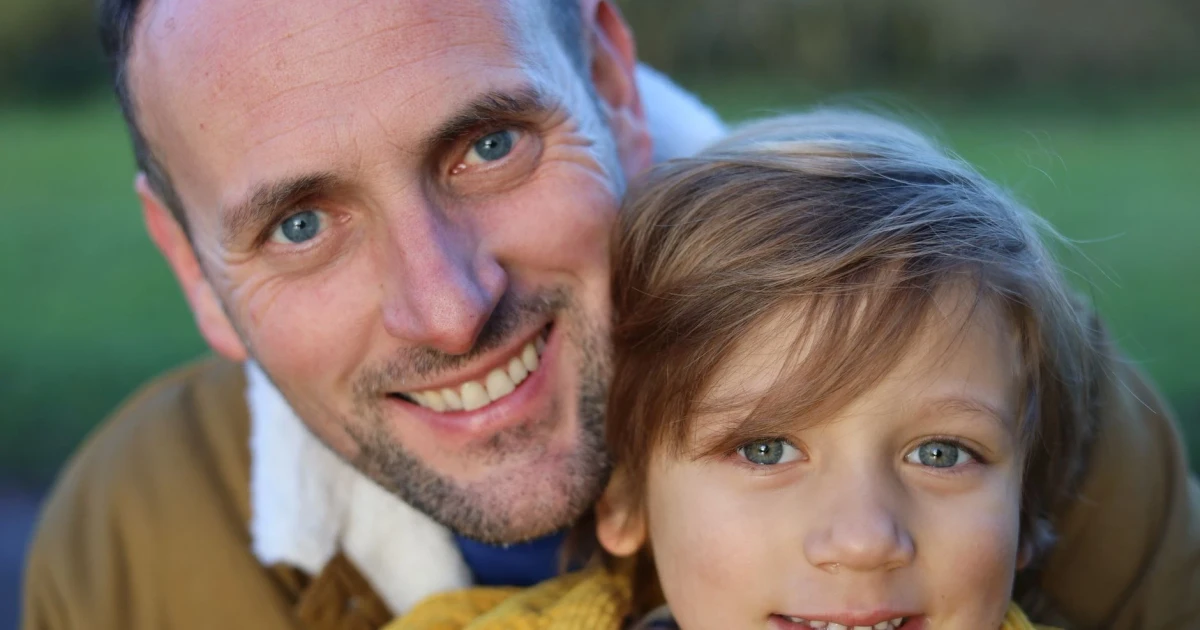
Zach Ellams found that becoming a father helped him move past shame, and the timing gives that personal shift extra force. Ellams, an editor and motion designer from London, is at the center of a story that is deeply personal and unmistakably political, because the first systems a child meets often still assume a mother-father family built on traditional lines.
The essay lands on Fathers’ Day in the United States, which sharpens the question at its core: what does it mean to be recognized as a father when the paperwork, the language, and the institutions around you do not always make that recognition easy? For trans parents, the answer is often found less in symbolism than in the daily mechanics of family life.
Why Ellams’s story reaches beyond one family
Ellams’s experience matters because trans and other LGBT+ parents are raising children in a UK climate that is still marked by stigma. A 2024 Just Like Us report said roughly six children from LGBT+ families are in every nursery and school in the country, which means these questions are not rare edge cases but part of ordinary classroom and playground life.
That scale matters for public health and social equity alike. When children see families like their own treated as normal, the benefits are social and practical: fewer moments of isolation, less pressure on parents to explain themselves, and a clearer sense that belonging is not conditional. Stonewall has also said that trans and non-binary people in the UK are facing growing hostility and barriers, which makes the everyday work of parenting heavier than it should be.
The birth certificate is where recognition often starts
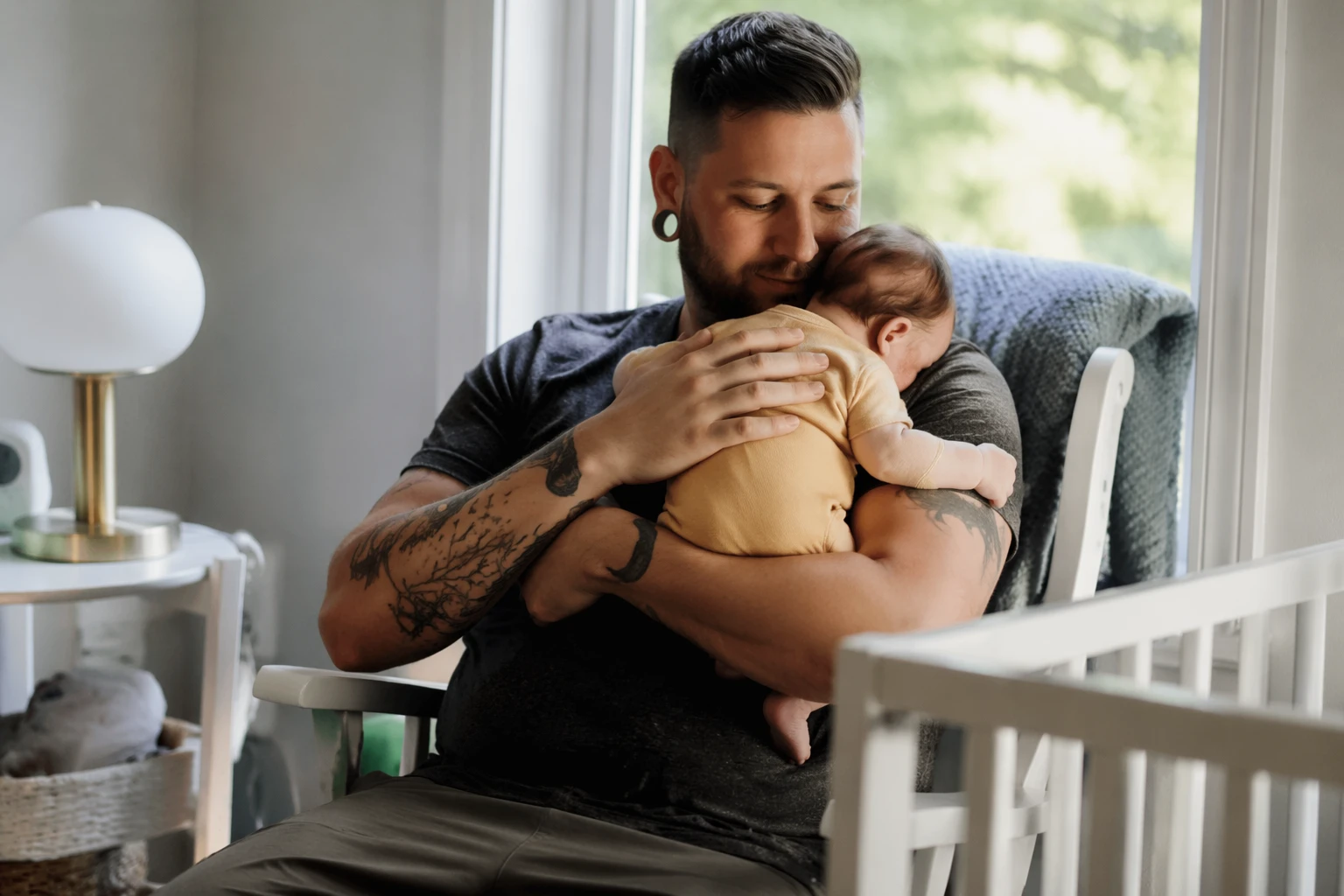
In England and Wales, the legal tension begins at the point of registration. GOV.UK guidance says the person who gives birth is recorded as the child’s “mother” on the birth certificate, even in cases involving trans men who are legally male. That one line can carry a heavy burden, because it fixes a gendered label onto the parent at the moment the state first records the family.
The same guidance also shows that the system is not entirely rigid. Unmarried parents can both be included on the birth certificate if they register together or use a statutory declaration of parentage. That detail matters because it shows how much of family recognition depends not only on biology or identity, but on whether institutions are willing to process a family in a way that matches its reality.
In practical terms, that first document shapes everything that follows. School records, medical forms, and other official systems often build on the assumptions embedded in the birth certificate, which is why the tension does not stay in the registry office. Once a parent is named one way on paper, that framing can follow the family into settings where staff may be meeting them for the first time.
• The certificate is the state’s first formal record of parentage. • For trans fathers, the word “mother” can clash sharply with legal identity and lived identity. • Registering together, or using a statutory declaration of parentage, can allow unmarried parents to be listed together. • Extra certified copies can be purchased later from the register office, and if the birth is registered in another area, the certificate arrives in a few days.
Why schools and health systems matter too
The problem is larger than one office or one form. When institutions default to a traditional model, trans fathers can end up doing the emotional labor of correcting records, explaining relationships, and proving that their role as a parent is real. That can be especially draining in systems meant to support families, such as schools and healthcare settings, where routine administration can become a recurring reminder of exclusion.
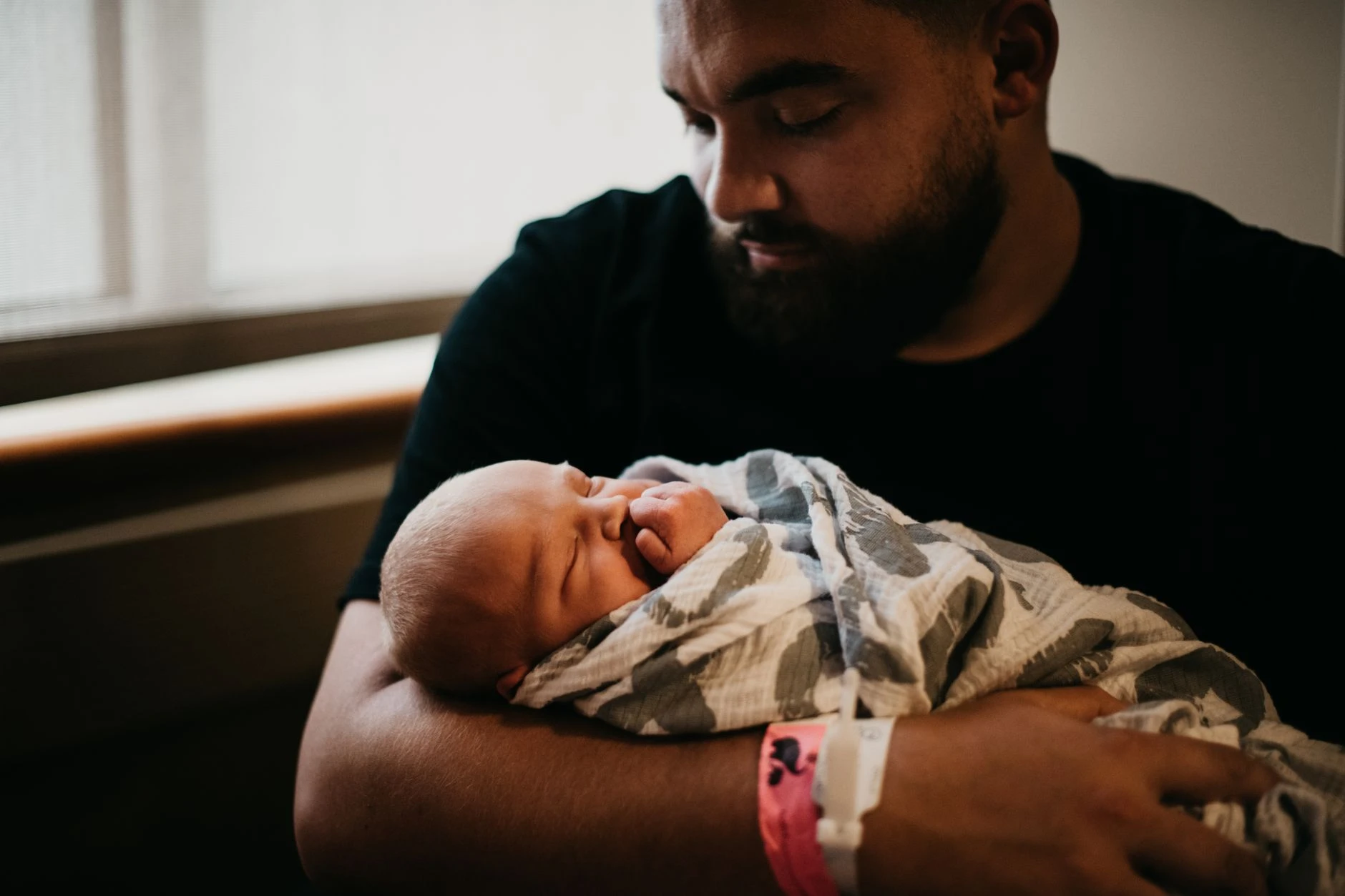
That is part of why Ellams’s story resonates so strongly. Fatherhood did not simply give him a personal milestone; it offered a counterweight to shame, because being needed by a child can reframe the self entirely. For trans parents, that private transformation is happening against a public backdrop in which legal categories and social habits still lag behind lived family life.
The numbers in the background make the stakes hard to dismiss. If there are roughly six children from LGBT+ families in every nursery or school in the UK, then the question is not whether institutions will encounter these families, but whether they will recognize them with dignity. That is a policy issue, a school issue, and a healthcare issue all at once.
What Ellams’s story says about modern fatherhood
The deepest lesson here is that fatherhood is not defined only by old assumptions about who gives birth or how a family is composed. Ellams’s experience shows that becoming a parent can be a route out of shame, but it also exposes how much work remains before trans fathers are treated as fathers first, without needing to earn that recognition over and over.
In that sense, the story is bigger than one man in London. It is about whether children grow up in systems that can name their families accurately, whether parents have to fight the paperwork before they can simply parent, and whether public institutions are prepared to see trans men not as exceptions, but as part of the full, ordinary spectrum of family life.
Sources
- [1]nytimes.com
- [2]justlikeus.org
- [3]stonewall.org.uk
- [4]gov.uk