Science
How Burn Injuries Shaped Human Evolution: New Research Illuminates a Fiery Past
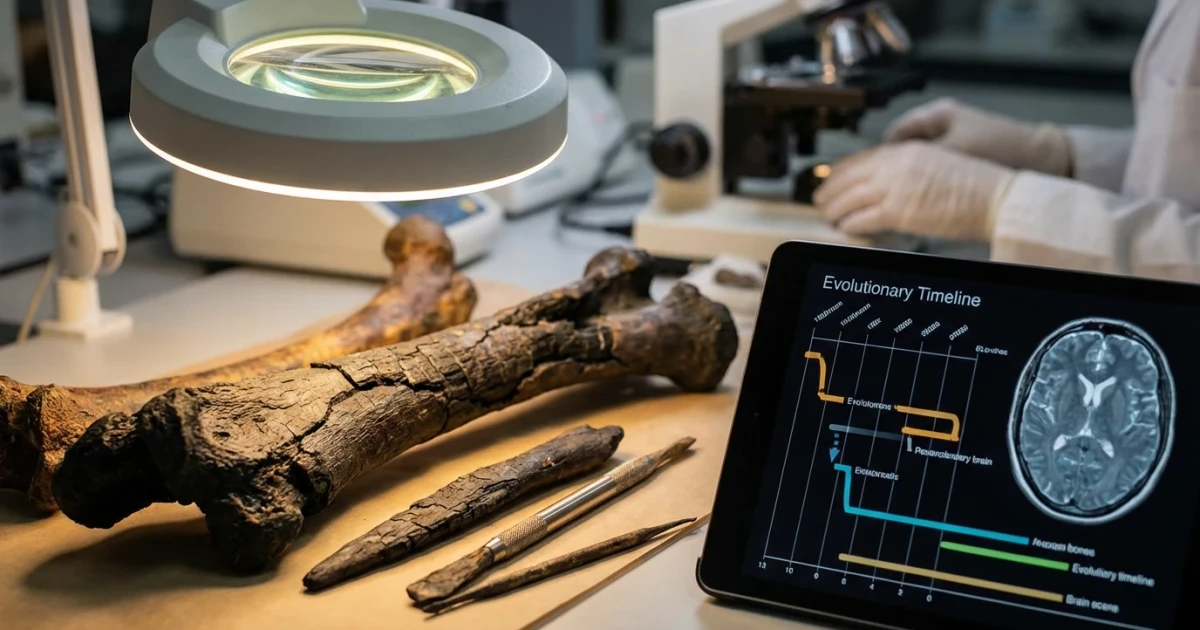
New research reveals that burn injuries may have had a profound influence on human evolution, shedding light on the complex relationship between early humans and the harnessing of fire. According to a recent study highlighted by Phys.org, the risks and realities of burn injuries did not simply accompany the use of fire—they actively shaped how our ancestors evolved, adapted, and survived.
The Evolutionary Impact of Fire and Burn Injuries
The controlled use of fire is widely recognized as one of the defining milestones in human history. It provided warmth, protection, and a means to cook food, which in turn enabled changes in diet and nutrition. However, this new research underscores that the story of fire is also a story of danger—specifically, the danger of burn injuries. Early hominins who learned to live with these dangers, or who developed physiological or behavioral adaptations to minimize them, may have been more likely to survive and pass on their genes.
- Fire use dates back at least 1 million years, with archaeological evidence suggesting that Homo erectus and other early humans regularly interacted with fire.
- The risk of burns would have been high in these early encounters, especially before the development of advanced tools for controlling fire.
- Survivors of burn injuries, and those less susceptible to them, may have gained evolutionary advantages in terms of resilience and adaptability.
Burns as Catalysts for Change
The Phys.org study suggests that exposure to burns may have driven a variety of evolutionary responses—not just in physiology, but in social behavior and technology. For instance, the development of communal rules for fire safety, shared knowledge about treating injuries, or even the invention of basic protective clothing could all have roots in the ongoing challenge of avoiding or coping with burns.
While the direct fossil evidence for burn injuries in ancient human remains is rare, the frequency of hearth sites and charred bones at archaeological digs hints at regular, close contact with fire. Over generations, these exposures could have led to:
- Selection for thicker, more resilient skin in certain body areas
- Improved wound healing and immune responses
- Behavioral adaptations, such as better risk avoidance around open flames
- Group-level innovations in fire management and safety
Reframing Our Relationship with Fire
This research reframes fire not just as a tool, but as an evolutionary force with both rewards and risks. The ability to manage the dangers of burns may have separated successful hominin groups from those less equipped to handle fire’s hazards. As such, the legacy of burn injuries is etched not only into the archaeological record but perhaps into our very biology and culture.
Looking Forward: The Ongoing Legacy of Fire
Today, fire remains both a necessity and a hazard for human societies worldwide. Modern medicine has dramatically improved our ability to treat burns, but the study’s insights serve as a reminder that our evolutionary past is intertwined with the challenge of managing fire’s double-edged nature. As researchers continue to explore the deep history of fire use, new discoveries may further reveal how ancient risks helped forge the path to modern humanity.
For further reading on the intersection of human evolution and fire, visit the Phys.org coverage of the study.
Sources
- [1]Phys.org