Sports
How Colts Offensive Guards Have Evolved Under Ballard
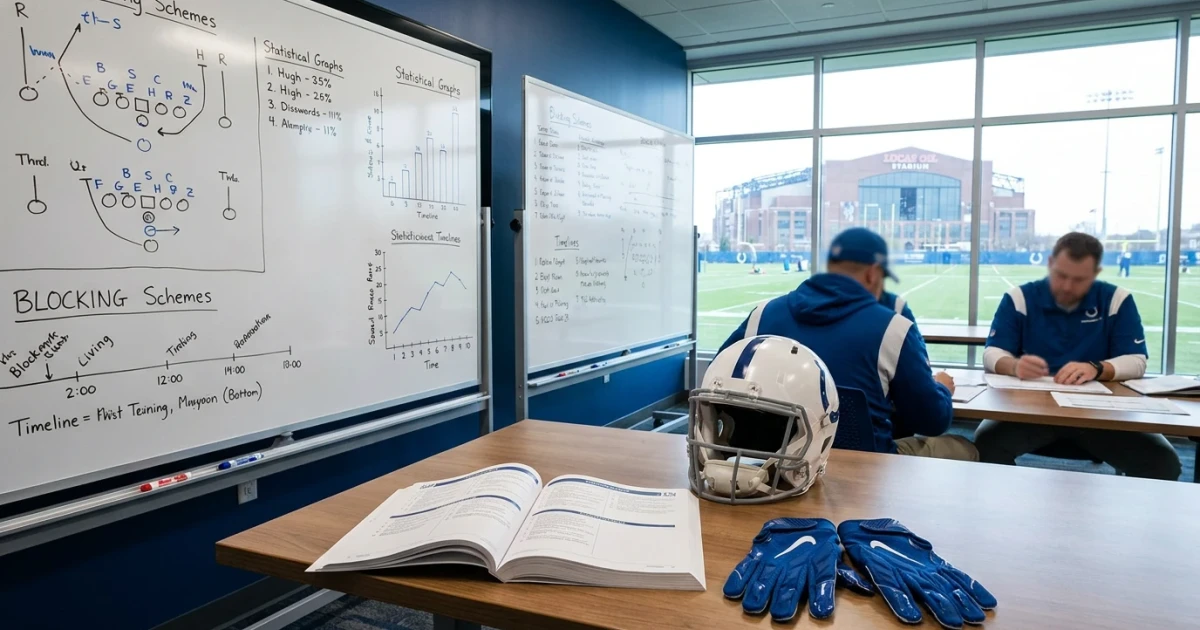
Chris Ballard’s tenure as general manager of the Indianapolis Colts has spanned a transformative decade for the franchise’s offensive line, particularly at the guard positions. By comparing the 2016 and 2026 Colts, the evolution in roster construction, talent development, and playing style among offensive guards becomes clear.
Building the Line: From Patchwork to Powerhouse
When Ballard first arrived in Indianapolis, the Colts’ offensive line was a point of concern. The 2016 season stats reflect a unit that struggled with consistency, both in personnel and in performance. The 2016 Colts cycled through multiple starting guards, with Jack Mewhort and Joe Haeg seeing extensive time on the interior, while injuries forced the team to shuffle players regularly. The team allowed 44 sacks that season, ranking near the bottom of the league.
According to Yahoo Sports, Ballard made strengthening the offensive line a priority upon his hiring in 2017. Through a combination of first-round draft picks and shrewd free agent signings, the Colts shifted toward a more physical, durable group up front. The arrival of Quenton Nelson in 2018 marked a turning point, as he quickly established himself as one of the league's premier guards.
Statistical Contrast: 2016 vs. 2026
- In 2016, Colts guards combined for over 1,000 penalty yards and struggled in run blocking, with the team averaging just 4.0 yards per carry.
- By the mid-2020s, the Colts’ offensive line was a consistent strength, with the team posting improved rushing numbers and reduced sacks allowed. The 2023 season stats show the Colts averaging 4.5 yards per carry and allowing just 40 sacks despite multiple quarterback changes.
- Key starters like Nelson and Ryan Kelly brought Pro Bowl pedigree and stability, with Nelson starting nearly every game since his rookie season.
The difference is also apparent in the consistency of starters. In 2016, the Colts used multiple combinations at guard, while by 2026, Ballard’s line-building philosophy emphasized continuity and depth.
Draft Strategy and Development
Ballard’s approach to the draft has been instrumental in the Colts’ improvement at guard. According to Yahoo Sports, Ballard routinely invested high picks in offensive linemen, ensuring both talent and competition. For example, the selection of Nelson with the sixth overall pick in 2018 paid immediate dividends, while mid-round picks and undrafted signings added valuable depth.
Ballard also emphasized versatility. Many guards under his regime have played multiple positions, allowing the team to weather injuries and maintain a high level of play. The development of homegrown talent has been a hallmark of Ballard’s roster management, reducing reliance on short-term free agent fixes that characterized previous years.
Changing Schemes and Play Styles
The Colts’ offensive philosophy evolved as well. In 2016, the team relied heavily on Andrew Luck’s arm, often exposing the line to tough pass-rushing situations. Under Ballard, the Colts shifted to a more balanced attack, with a greater emphasis on power running and play-action. This change maximized the skill sets of elite guards like Nelson and helped keep quarterbacks upright.
By 2026, the Colts were known for their physical, downhill running game, a stark contrast to the finesse approach of the mid-2010s. Yahoo Sports emphasized how this shift in identity started with Ballard’s focus on building from the trenches out.
Looking Ahead
As the 2026 season unfolds, the Colts’ offensive guard play remains a testament to Chris Ballard’s long-term vision. The unit’s transformation from a position of weakness to a foundation of the team’s success highlights the importance of sustained investment in the offensive line. With several young linemen now emerging alongside established stars, the franchise appears well-positioned for continued competitiveness in the trenches.
The Colts’ journey over the past decade underscores the critical role of roster stability, draft strategy, and player development—areas where Ballard’s blueprint has made a lasting mark on the organization.