Health
How Daily Cannabis Use Impacts Body and Mind
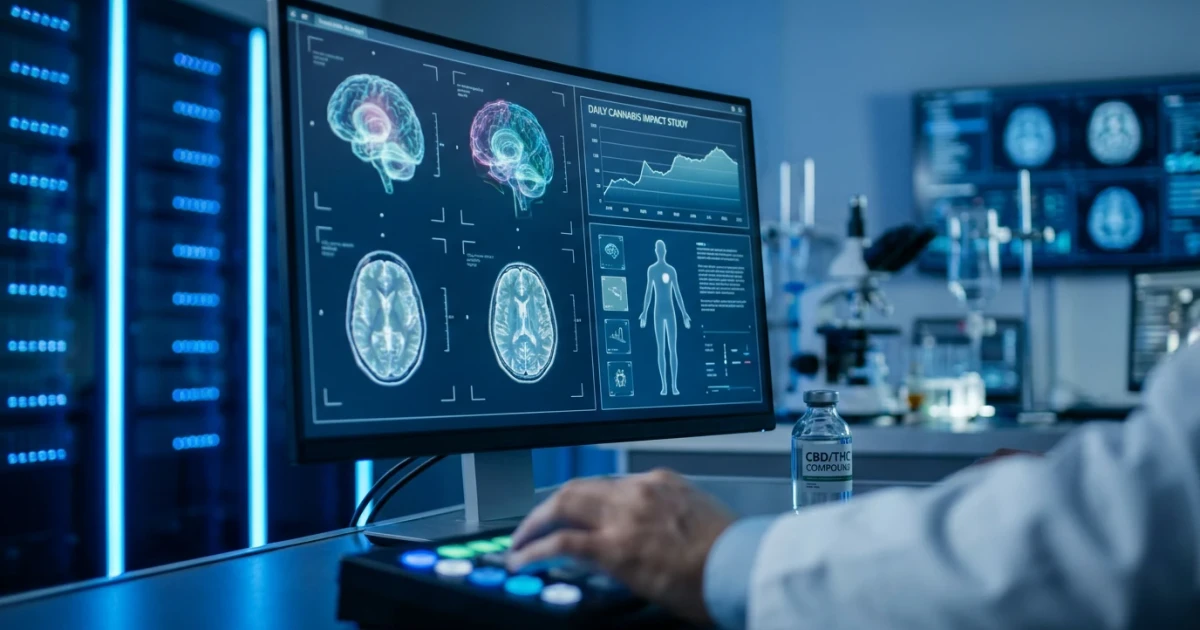
Daily cannabis use has become increasingly common as legalization spreads and social norms shift, but its effects on health remain a topic of robust discussion among researchers, clinicians, and public health experts. Drawing from a synthesis of medical research, government data, and recent analysis by The Washington Post, this article examines the five main ways daily cannabis use can affect physical and mental health.
1. Cognitive Function and Memory
One of the most consistently documented effects of regular cannabis use is on cognitive performance, especially memory, attention, and learning. The National Institute on Drug Abuse (NIDA) reports that frequent use can impair the ability to form new memories and may affect other cognitive functions, particularly in adolescents and young adults whose brains are still developing. These effects can persist for days after use, potentially impacting academic or professional performance. While some memory deficits may improve after cessation, some studies suggest long-term impacts with prolonged, heavy use.
2. Mental Health Risks
Research has found links between regular cannabis use and various mental health outcomes. According to the Centre for Addiction and Mental Health (CAMH), daily use can increase the risk of anxiety, depression, and in some cases, psychosis—especially for individuals with a predisposition to mental health disorders. The Washington Post highlights that frequent users may experience worsened symptoms of anxiety or paranoia, and for a small percentage, regular use can trigger or exacerbate psychotic episodes. However, the relationship between cannabis and mental health is complex, with factors such as genetics, age of first use, and frequency playing significant roles.
3. Physical Health Effects
Daily cannabis consumption can affect the respiratory system, particularly when smoked. Chronic use is associated with cough, phlegm production, and bronchitis-like symptoms. While cannabis smoke contains many of the same irritants as tobacco smoke, its impact on lung cancer risk is still under investigation. The National Academies of Sciences found some evidence linking prolonged use to subtle changes in heart rate and blood pressure, though the long-term cardiovascular risks remain unclear for healthy adults. Edible forms of cannabis avoid respiratory issues but introduce risks of overconsumption due to delayed effects.
4. Dependence and Withdrawal
Contrary to popular belief, daily cannabis use can lead to cannabis use disorder, with withdrawal symptoms including irritability, insomnia, decreased appetite, and mood swings. Data from the Centers for Disease Control and Prevention (CDC) suggests that about 1 in 10 cannabis users will develop dependence, with the risk increasing to 1 in 6 for those who begin using in adolescence. The Washington Post underscores that withdrawal symptoms are typically less severe than those associated with other substances, but they can pose challenges for those attempting to reduce or quit regular use.
5. Impact on Daily Life and Functioning
Daily cannabis use may affect motivation, productivity, and social relationships. Some users report a lack of motivation or "amotivational syndrome," though research is mixed on whether this is directly caused by cannabis or correlated with other factors like depression. The 2022 National Survey on Drug Use and Health found that frequent users are more likely to report difficulty fulfilling family, work, or school obligations compared to non-users. However, many daily users maintain regular routines without noticeable impairment, highlighting the variability of effects.
Key Statistics and Trends
- About 18% of Americans reported using cannabis in the past year, with daily use on the rise.
- Canadian data show similar trends, with young adults representing the highest prevalence of daily and near-daily use.
- The risk of developing cannabis use disorder is higher among those who begin use during adolescence and those who use daily.
Expert Perspectives and Ongoing Research
Medical researchers, as summarized in the National Academies of Sciences report, caution that while cannabis may offer therapeutic benefits for some conditions, daily recreational use carries risks, particularly for vulnerable populations. More research is needed to clarify long-term effects, especially as legalization expands access and new consumption methods emerge.
Conclusion
Daily cannabis use can lead to a range of effects on both body and mind, from cognitive changes and mental health risks to physical symptoms and potential dependence. Individuals considering regular use should weigh these factors and consult credible resources or healthcare professionals for personalized guidance. As science evolves, ongoing research will continue to shape our understanding of how daily cannabis use intersects with overall health and well-being.