Business
How Driscoll's turned berries into a year-round global staple
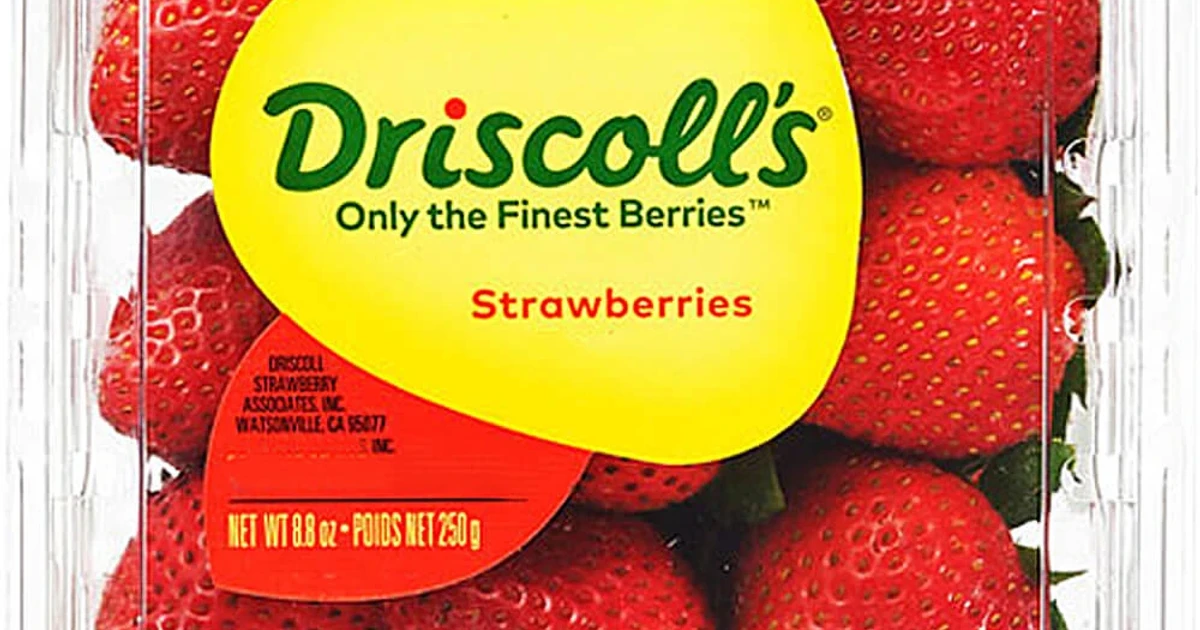
Driscoll's turned a fruit that once peaked for a few short weeks into something shoppers now expect to find any month of the year. The company says its modern business began in 1953, and the turning point came five years later, when its first patented strawberry variety, Z5A, extended the season and made long-distance shipping possible.
From local fruit to global category
Driscoll’s now describes itself as the global market leader for fresh strawberries, blueberries, raspberries and blackberries, and that claim rests on more than branding. The company says it has more than 100 years of berry-farming heritage, but its modern playbook is less about nostalgia than about industrial precision: proprietary varieties, timed harvests, and a network built to keep fruit moving as seasons change.
That shift mattered because berries are fragile, highly perishable and traditionally seasonal. By making strawberries durable enough to ship farther and last longer, Driscoll’s helped create a consumer habit that looks simple on the shelf and complicated everywhere else, from breeding plots to refrigerated trucks.
How the supply chain erased the old season
The company’s own model depends on scale and coordination. Driscoll’s says it works with 700 independent farmers, and that once fruit is sold, about 85% of revenue goes back to those growers. It also says it sets aside 2% of profits to invest in communities, a reminder that the business is structured not only as a brand owner but as a broker between consumers and a wide farming base.
That network is what allows berries to follow the sun across growing regions, with harvests shifting among places such as Watsonville, Santa Maria, the Salinas Valley, the Pajaro Valley, Oxnard and Jocotepec, Mexico. The result is a supply chain built to smooth out the boom-and-bust logic of local seasonality, even if the price is more shipping, more coordination and a greater dependence on cold storage and logistics.
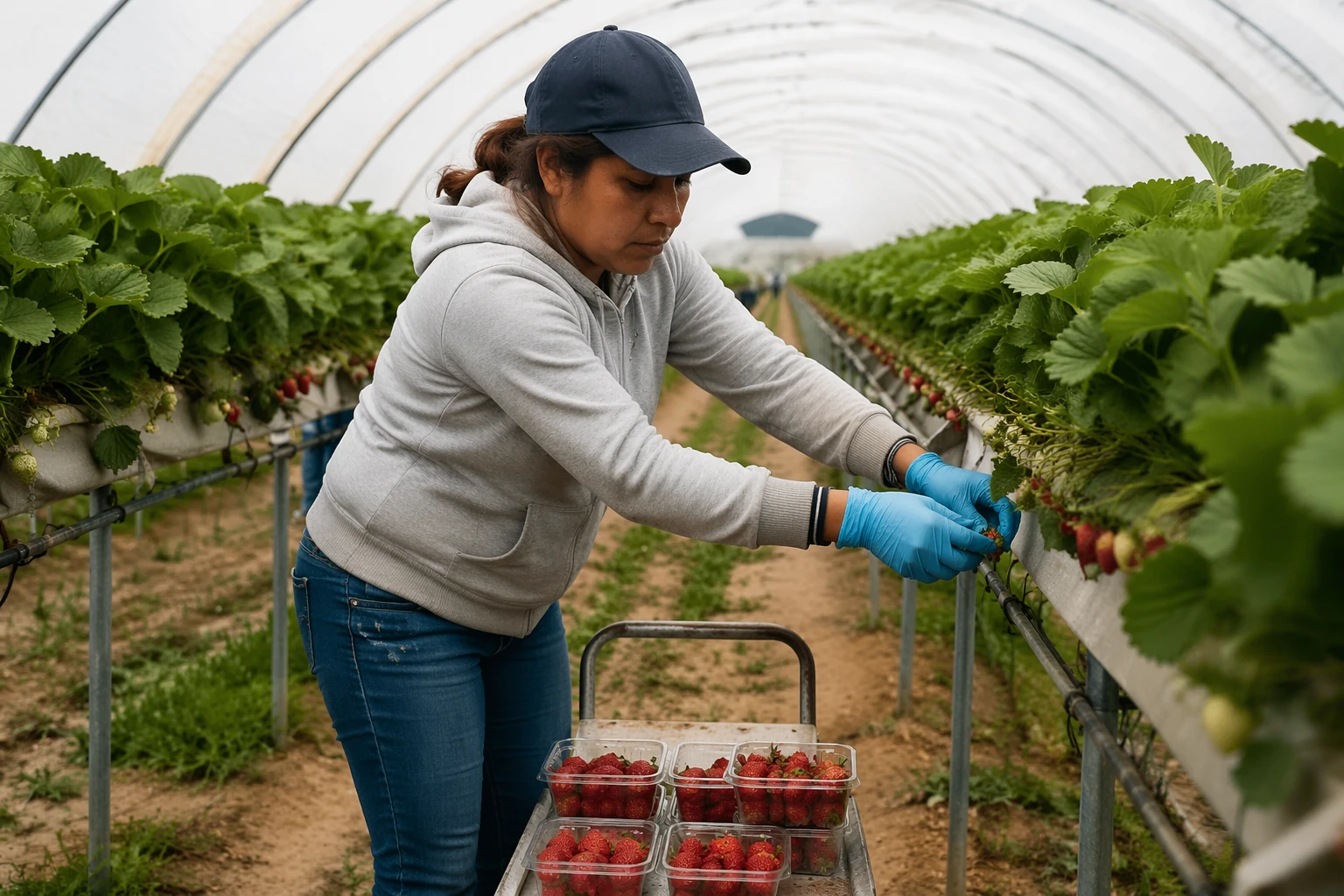
The farming process itself is tuned for consistency. Driscoll’s says strawberries take about 30 days to mature from flower to fruit, are picked every three days and fields are replanted every year. That means the company is not just selling berries; it is managing a recurring cycle of labor, land preparation and transport that keeps the crop in motion.
Breeding for sweetness, shape and shelf life
The most important part of the system may be invisible to shoppers: breeding. Driscoll’s says it develops patented berry varieties using natural breeding methods, not a shortcut around the plant’s biology. On its own account, the company selects the top 1% of strawberry varieties for sale under the Driscoll’s name, which shows how narrow the funnel is before a berry reaches the market.
Its raspberry program is even more selective. Driscoll’s says it reviews thousands of raspberry seedlings every year, and that only a handful make the cut after five to seven years. That slow process reveals the tradeoff at the heart of the brand: consumers get predictable size, appearance and shipping performance, but the breeding system is designed to prioritize performance under commerce as much as flavor in the field.
That tension is why Driscoll’s can be both admired and questioned. Uniform fruit and reliable supply help retailers and keep prices steadier across the calendar, but the same standards can narrow what gets grown, how it tastes at peak and which farms can meet the requirements for the brand.
The economics behind the premium pack
Driscoll’s model gives independent growers access to a powerful brand and a national, even global, sales channel, but it also places the company in the middle of the value chain. The 85% revenue return to farmers sounds generous, yet the brand still controls the varieties, the standards and the market identity, which is why it is often seen as a powerful middleman as well as an innovator.
The farm economics are closely tied to the company’s community pitch. Driscoll’s says 2% of profits are reserved for community investment, and that since 2005 it has awarded $29 million in grants and sponsorships across 13 countries on five continents. Those numbers suggest a company trying to prove that a global sourcing model can still leave a local footprint, even as production stretches across borders.
In March 2023, Driscoll’s and Taylor Farms announced $2 million in disaster relief funds for organizations in Salinas and the Pajaro Valley after severe flooding hit the region. That response underscored how much the company’s business depends on the health of berry-growing communities in Monterey County and nearby Santa Cruz County, where farmworkers, housing and public health are tightly linked.
What year-round berries cost
The year-round berry aisle comes with real tradeoffs. A crop that is hand-picked at peak ripeness, replanted every year and shipped across seasons will never behave like a local summer fruit sold only at the farm stand. The system delivers availability and consistency, but it also pushes more freight, more packaging and more agronomic control into the process that once depended on weather and place.
That is the deeper story of Driscoll’s: not just a company that sells berries, but a company that helped standardize them. By combining breeding, branding, independent growers and global sourcing, it made strawberries, raspberries, blueberries and blackberries feel ordinary in the refrigerator, even though the chain that keeps them there is anything but simple.
Sources
- [1]nytimes.com
- [2]driscolls.com
- [3]taylorfarms.com