Business
How Electricity Costs Differ Across U.S. States
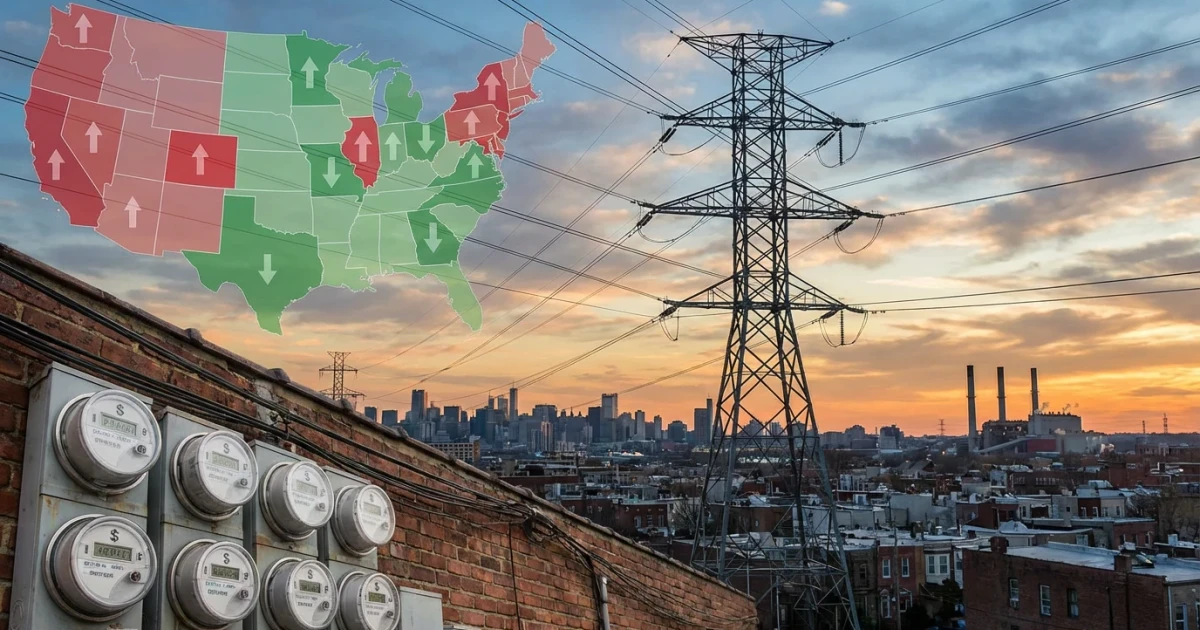
Electricity prices in the United States show stark differences depending on where consumers live, with some states paying nearly double what others do per kilowatt-hour. These disparities, highlighted by Fox Business, reflect a blend of local policies, resource availability, and broader market trends.
Where Americans Pay the Most and the Least
According to the Fox Business report, states in the Northeast and on the West Coast tend to have the highest average electricity rates. Hawaii consistently tops the list, with residents often paying more than 35 cents per kilowatt-hour, far above the national average. Other high-cost states include California, Massachusetts, Connecticut, and Rhode Island, where rates often exceed 20 cents per kilowatt-hour.
In contrast, states with the lowest electricity costs are typically found in the South and Midwest. Residents of Louisiana, Oklahoma, and Texas pay some of the nation’s lowest rates, with many consumers seeing prices around 10 cents per kilowatt-hour or less.
- Hawaii: Over 35 cents/kWh (highest)
- California, Massachusetts: Over 20 cents/kWh
- Louisiana, Oklahoma: About 10 cents/kWh (lowest)
Blue vs. Red State Comparisons
The Fox Business article also examined the political makeup of high- and low-cost states. Many of the states with the highest rates – such as California and those along the Northeast corridor – lean Democratic, while several of the lowest-cost states, including Louisiana and Oklahoma, are traditionally Republican. However, the report notes that this divide is not absolute. Factors such as geography, energy resources, and state-level regulations play a larger role than simple political affiliation.
What Drives the Differences?
Several factors contribute to the variation in electricity prices across states:
- Resource Mix: States with abundant local energy resources, such as natural gas in Texas or hydropower in Washington, often enjoy lower costs.
- Infrastructure and Transmission: Urbanized, densely populated states face higher infrastructure costs, which are passed to consumers.
- Regulation and Policy: Renewable energy mandates and environmental regulations can drive up costs, though they also aim for long-term sustainability.
- Market Structure: Some states have deregulated markets encouraging competition, while others maintain regulated monopolies, impacting pricing and investment.
For up-to-date data, the EIA's Electric Power Monthly provides detailed, state-level statistics on prices and consumption.
How These Costs Affect Households
Higher electricity rates can have a significant impact on household budgets, especially in states with both high prices and high average consumption, such as California. Conversely, in areas with lower rates and more moderate energy use, families may spend much less on their monthly utility bills.
The Federal Reserve Economic Data series and Bureau of Labor Statistics CPI tables allow readers to explore how electricity costs have changed over time and how they compare to other household expenses.
Looking Ahead
As the U.S. energy landscape evolves, state-level electricity costs are likely to continue shifting. The push for cleaner energy sources and grid modernization could mean higher upfront costs in some states, but advocates argue these investments will pay off in the long run by reducing emissions and improving reliability. Consumers are encouraged to regularly review their utility bills and consider energy efficiency upgrades, which can help manage costs regardless of regional pricing trends.