Lifestyle
How Food Data Scraping Services Are Transforming Competitive Intelligence in the Industry
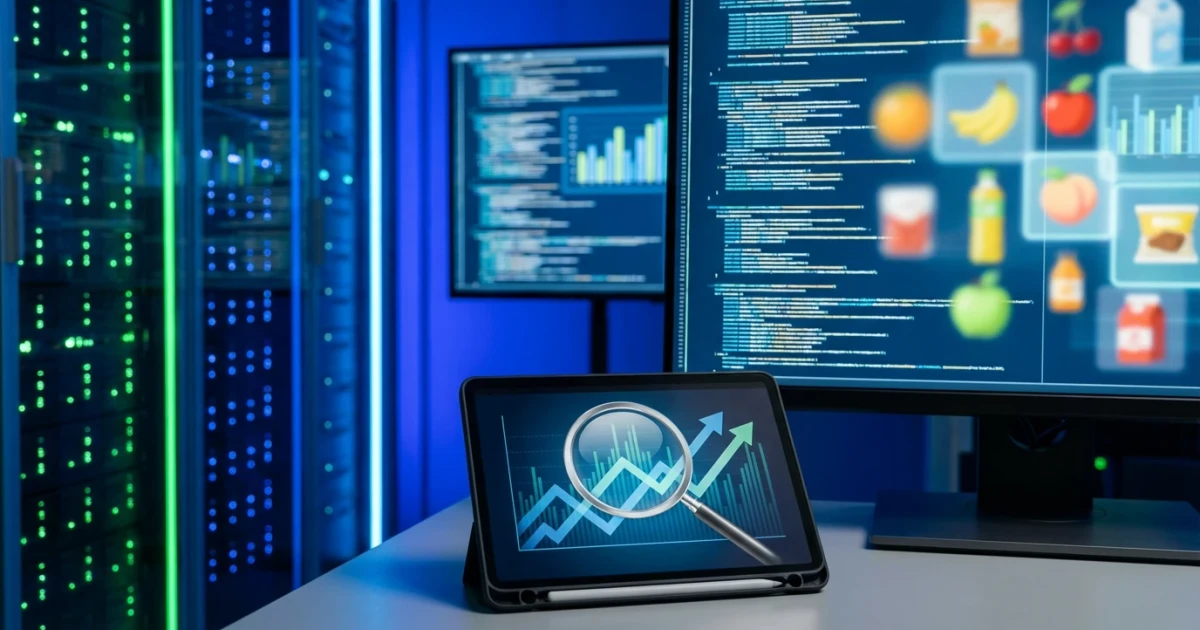
Food data scraping services are rapidly emerging as a game-changing tool for businesses seeking a competitive edge in the fast-paced food industry. As companies strive to stay ahead of market trends and consumer preferences, competitive intelligence powered by advanced data scraping solutions is proving critical for success.
What is Food Data Scraping and Why Does It Matter?
Food data scraping involves using automated tools to extract large volumes of data from online sources such as restaurant menus, grocery store inventories, food delivery platforms, and recipe databases. This data can include information on ingredient trends, pricing, customer reviews, nutritional details, and much more.
- Market Insights: Businesses can analyze menu changes, popular dishes, and pricing strategies across competitors to identify gaps and opportunities.
- Consumer Trends: Aggregated data reveals shifting preferences, such as increased demand for plant-based options or gluten-free products.
- Pricing Intelligence: Automated price tracking helps retailers and restaurants respond quickly to competitor moves and optimize their own offerings.
The Critical Role of Competitive Intelligence in Food Services
Competitive intelligence refers to the systematic collection and analysis of information about market rivals, consumer behavior, and industry developments. In the food sector, the sheer volume and velocity of online data make traditional research methods insufficient. Food data scraping services bridge this gap by delivering real-time, actionable insights.
- Quickly identify new menu launches or ingredient trends among top restaurants
- Monitor customer sentiment through review aggregation
- Track promotional strategies and seasonal offerings across platforms
By leveraging these insights, companies can fine-tune product development, pricing, and marketing tactics to outpace competitors.
How Food Data Scraping Recipes Drive Business Growth
Advanced data scraping solutions enable businesses to create their own customized competitive intelligence "recipes"—automated workflows that collect, process, and analyze specific datasets tailored to their needs. For example, a meal kit company might track the top 100 trending recipes across major food blogs and adjust its offerings accordingly, while a grocery chain could monitor local competitor prices on staple goods in real time.
Key benefits of these data-driven recipes include:
- Faster decision-making through instant access to up-to-date market data
- Reduced manual effort in gathering and cleaning data from diverse sources
- Scalable insights that grow with the business’s needs
Challenges and Best Practices
While the advantages are clear, companies must navigate challenges such as data quality, website terms of service, and evolving technology standards. Best practices include:
- Respecting copyright and fair use when scraping data
- Prioritizing accurate, relevant, and up-to-date information sources
- Investing in robust data validation and cleaning tools
Looking Ahead: The Future of Competitive Intelligence in Food
As the food industry continues to digitize, the role of food data scraping services in competitive intelligence will only grow. Businesses that adopt these advanced tools can expect to:
- Anticipate emerging trends ahead of the competition
- Deliver products and experiences that match evolving consumer tastes
- Maintain agility in responding to market disruptions
Ultimately, food data scraping is set to become a cornerstone of strategic decision-making for both established players and innovative startups in the sector.
Sources
- [1]nerdbot