Lifestyle
How Loneliness Became a Lifestyle Brand Online
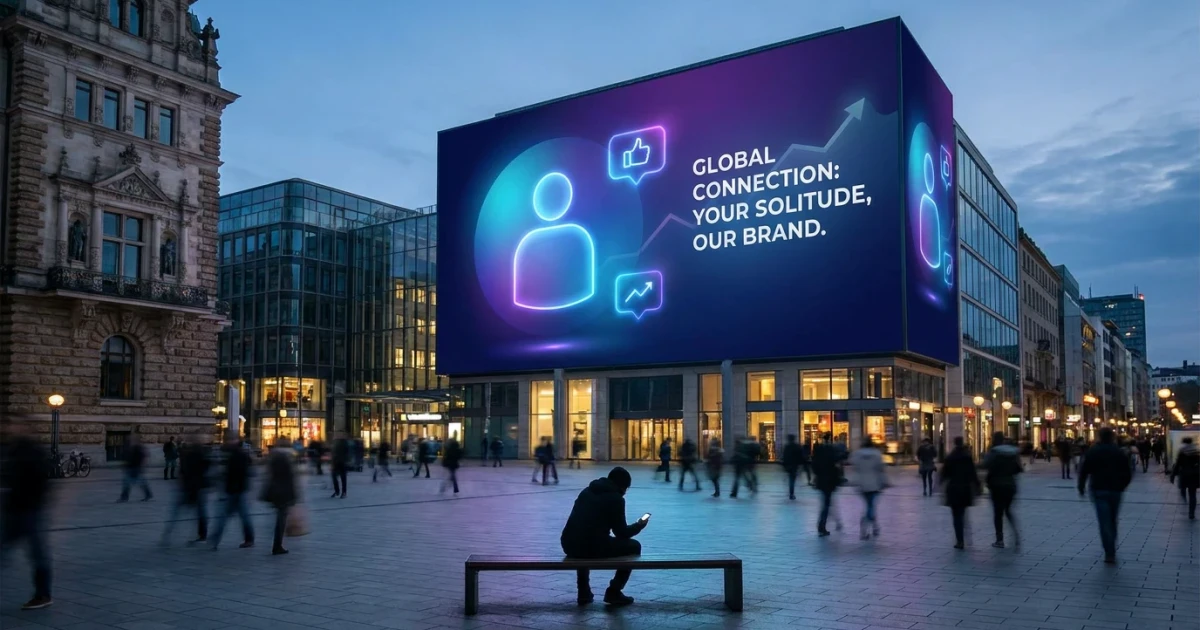
Loneliness, once considered a deeply private struggle, is increasingly emerging as a prominent theme—and even a lifestyle brand—across digital platforms. As highlighted by UnHerd, the concept of loneliness is being redefined from a social issue to an online identity, with influencers, brands, and communities centering their presence around personal isolation.
The Rise of Loneliness as Digital Identity
Social media has become a stage for individuals to share their experiences with loneliness, often garnering significant engagement. Platforms like Instagram and TikTok are filled with creators who discuss their feelings of isolation, offer advice on coping strategies, or even curate aesthetics around solitude. In many cases, hashtags such as #loneliness and #solitude amass millions of views and reactions, indicating a strong resonance with audiences worldwide.
This trend has not gone unnoticed by brands and content creators, who increasingly market products, services, and art to appeal to those seeking comfort in their solitude. According to Pew Research Center, public conversations about loneliness have risen sharply, with nearly half of U.S. adults reporting feelings of isolation at least some of the time. These numbers underscore the demand for content and communities that normalize, or even celebrate, being alone.
Monetizing Solitude
As loneliness evolves into an online lifestyle brand, companies have begun to target isolated individuals with products promising solace or connection. From self-help books and meditation apps to online forums designed for sharing feelings of disconnection, the market for loneliness-related content and tools is rapidly expanding. The Statista topic page on loneliness documents a surge in digital solutions aimed at alleviating isolation, reflecting a growing commercial opportunity.
- Online communities centered around loneliness and mental health have millions of members.
- Apps offering virtual companionship or therapy have seen increased downloads since 2020.
- Influencers promoting self-care routines emphasize the positive aspects of being alone, sometimes partnering with wellness brands.
This commercialization raises questions about authenticity and the potential for exploitation, as loneliness shifts from being a personal challenge to a sellable trait. Nevertheless, for many, these platforms offer genuine support and validation that might not be accessible offline.
Cultural Implications and Critiques
The mainstreaming of loneliness online reflects broader societal shifts, including changes in how people form relationships in the digital age. According to the CDC, social isolation is on the rise, particularly among young adults and older populations. The creation of digital spaces where loneliness is openly discussed can help reduce stigma and encourage seeking help.
However, critics caution that turning loneliness into a brand risks trivializing a serious issue. Some argue that by packaging solitude as a trendy aesthetic, the root causes—such as social fragmentation, work-from-home norms, or declining community engagement—may be overlooked. A systematic review published in 2023 found mixed evidence on whether digital engagement alleviates or deepens loneliness, suggesting that the impact of these online communities is complex and context-dependent.
The Future of Loneliness Online
As more people seek belonging on digital platforms, the branding of loneliness is likely to persist. The U.S. Surgeon General has labeled loneliness a public health concern, emphasizing the need for deeper social connections rather than surface-level digital engagement. Still, the blend of community, commerce, and conversation online is reshaping how individuals understand and navigate their own solitude.
Ultimately, the transformation of loneliness into an online lifestyle brand reflects a changing social landscape—one where isolation is both a challenge and, increasingly, a shared identity. As society continues to grapple with the causes and consequences of loneliness, the digital world will remain central to both the problem and its potential solutions.