Health
How night shifts damage health, and what can help workers
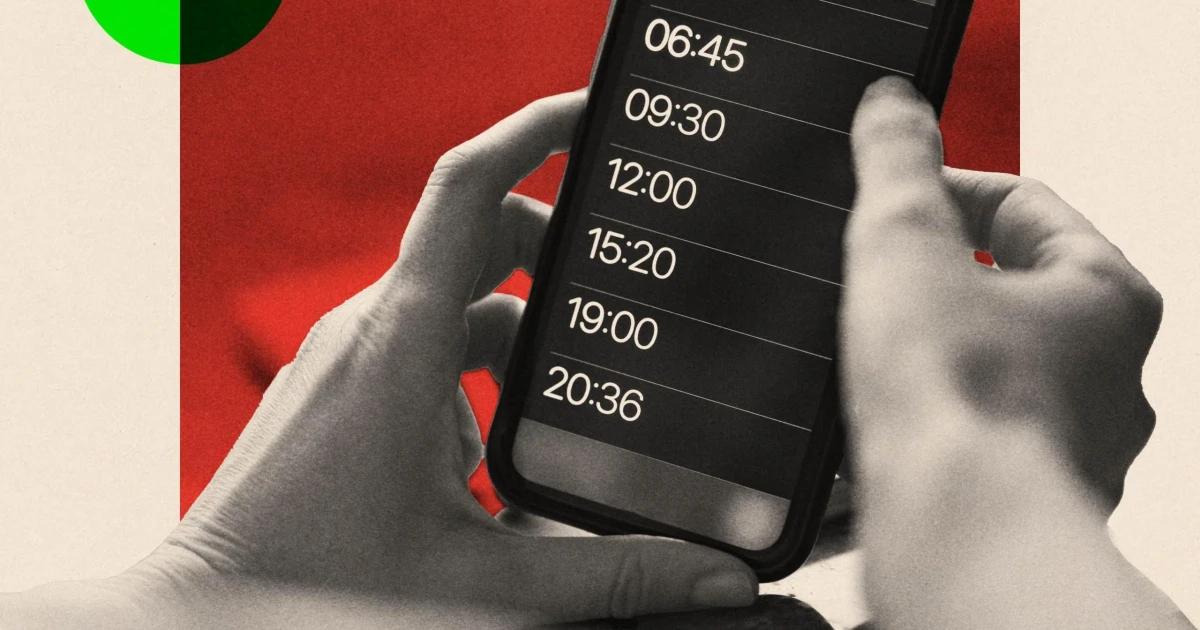
More than three million people in the UK work night shifts, and the health cost is built into the schedule. Shift work affects 14% of the UK working population, over 4 million people.
Why night work is so hard on the body
Night shift work pushes people against the body’s internal clock. Shift workers tend to feel more sleepy during night shifts and get shorter, poorer-quality sleep during the day. Working at night can trigger sleep deprivation, fatigue and accumulating sleep debt.
The body’s internal clock is designed for daytime activity and nighttime sleep. When that pattern is reversed, sleep is lighter, shorter and less restorative, and the knock-on effects do not stop at tiredness. Night shift work is also linked with obesity, because sleeping during the day means burning fewer calories than sleeping at night.
Shift work is linked with increased sleep problems, occupational and driving accidents, and long-term health conditions.
The workers who carry the load
Night shifts are most visible in healthcare, but they are not limited to hospitals. Health and social care, emergency and security services, and manufacturing all rely on round-the-clock staffing, and the 24-hour economy keeps expanding the list of people expected to work while others sleep.
Some healthcare workers said they are stopping night shifts after “constantly fighting” to stay awake and spending days off recovering. They also described not eating properly and having sleep patterns that were “all over the place” because of the shifts.
A May 2025 study at Norfolk and Norwich University Hospitals NHS Foundation Trust involved the Emergency Department and Imaging teams and was led by the UK Health Security Agency’s Radiation Effects Department with the Cancer Mechanism & Biomarkers Group. Night shift workers can be at risk of sleep disorders, digestive disorders and fatigue because of irregular work patterns, and Amanda Watling, the hospital’s Deputy Imaging Research Lead and principal investigator there, said: “We hope that this trial helps to recognise our night shift workforce’s efforts, and put a spotlight on the extra strain that they may face in working their irregular hours.”
Rebekah Girling, who leads AHP, HCS, Pharmacy and Psychology research at Norfolk and Norwich University Hospitals NHS Foundation Trust, said: “The health of our night shift workforce deserves focused attention, and we are proud to be looking into ways to improve the health and wellbeing of these essential workers by examining the extra strain they undergo. Night shift workers can be at risk of sleep disorders, digestive disorders and fatigue and sleep disorders amongst other issues as a result of their irregular work patterns.”
What the health risks look like
Shift work is tied to a higher risk of sleep problems, occupational accidents and driving accidents. For night workers in healthcare, transport or factory settings, fatigue can threaten both personal safety and the safety of the people relying on them.
Coping with shift work varies by health, fitness, age, lifestyle and domestic responsibilities. The same rota does not hit everyone equally: a healthy young worker with no caring duties may adapt differently from someone managing chronic illness, school drop-offs or elder care.
Night work can also create long-term metabolic strain. The link with obesity tracks back to the body’s altered calorie use during daytime sleep, and a night shift can shape diet and weight even when the job itself is not physically demanding.

What workers can do right now
Individual habits can reduce some of the damage, but they cannot erase the biology. Lifestyle changes may make shift work more tolerable and may improve sleep quality, increase alertness and reduce health risks, but people differ in how they cope, so the aim is to work with your own pattern rather than pretend all bodies handle nights the same way.
• Protect sleep after the shift as if it were an appointment, because night work is linked to sleep debt.
• Keep the bedroom dark and phone-free before daytime sleep, because blocking light helps the body settle into rest.
• Use a planned nap or longer pre-shift sleep where possible, and get extra sleep before the first night duty.
• Take moderate exercise before work and short breaks during the shift, because both can help alertness.
• Keep meals regular, because the healthcare workers who struggled with nights also reported not eating properly, and irregular eating can make fatigue harder to manage.
These steps help, but they work best when the shift itself is designed to allow them. A worker cannot compensate for back-to-back nights, missed breaks and an impossible commute home by drinking more coffee or trying harder.
What employers and policymakers need to fix
The responsibility for reducing that burden cannot sit only with individuals, because the schedule, staffing levels and rest opportunities are set by employers and shaped by policy.
NHS Employers published a February 2020 guide on the health, safety and wellbeing of shift workers in healthcare environments. A significant number of staff work around the clock, and employers have to treat shift design, rest and recovery as part of workforce safety, not as optional perks.
Employers have legal duties to assess known and associated risks tied to shift work. In practice, that means risk-aware rota planning, enough staffing to prevent chronic fatigue, and partnership working between managers and staff so the people doing night work are not left to solve an organisational problem alone.
Sources
- [1]bbc.co.uk
- [2]som.org.uk
- [3]researchbriefings.files.parliament.uk
- [4]hse.gov.uk
- [5]thesleepcharity.org.uk
- [6]bbc.com
- [7]nhsemployers.org
- [8]facebook.com