US News
How presidents traveled from horse carriages to Air Force One
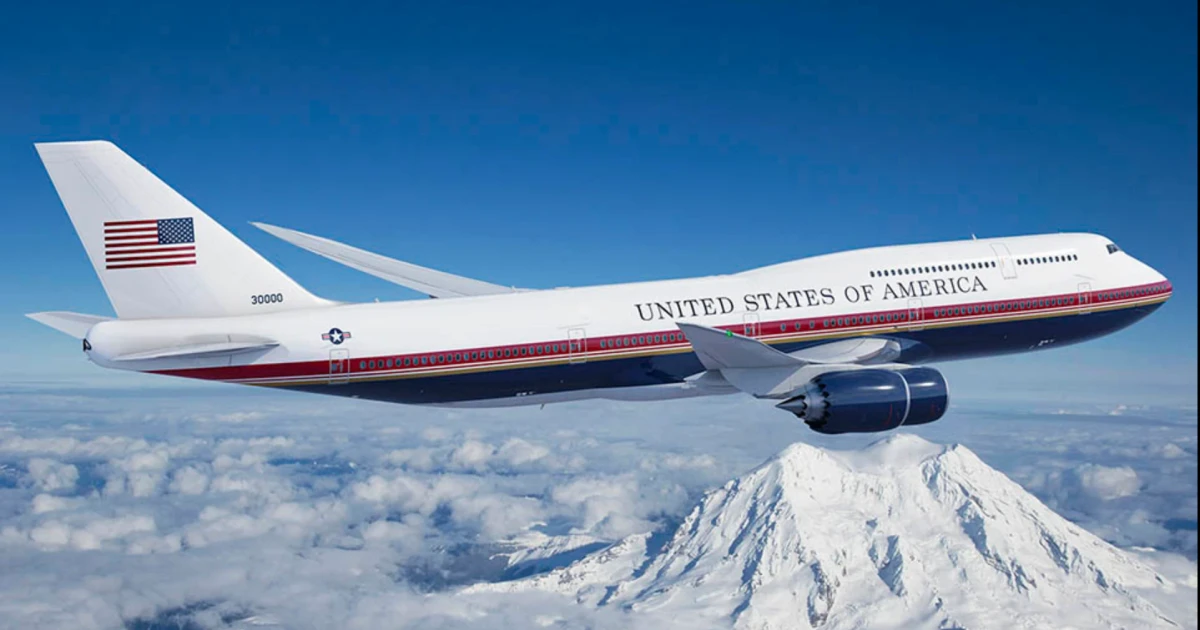
Preserving the presidency has always meant moving it. From horse-drawn coaches to the two Boeing VC-25 aircraft that serve as Air Force One today, each shift in transport changed not only logistics but also how presidents projected strength, accessibility, and America’s reach beyond Washington. The White House Historical Association notes that travel has shaped how presidents met the public and handled diplomacy, campaigning, and family life away from the White House.
From carriages to rail
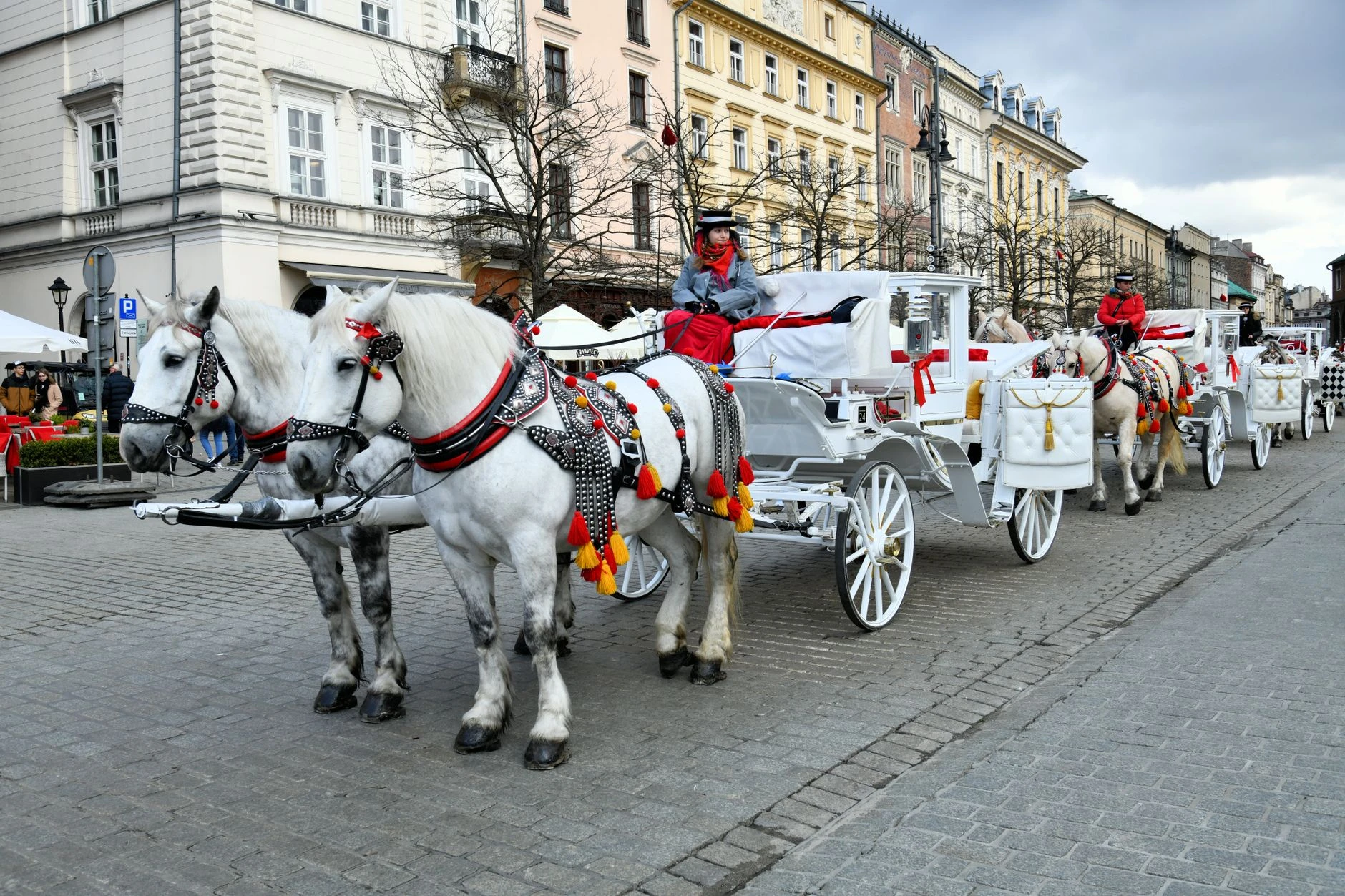
In the early republic, presidents moved by horse-drawn carriage, a mode that matched the pace and ceremonial style of the office itself. The White House Historical Association’s carriage history shows how presidential travel began as a matter of horses, coaches, and visible public procession, with the White House Grounds serving as the starting point for any departure from the seat of power. That early mobility was not just practical. It put the presidency on display in a way that was immediate, local, and personal.
By the late 1800s, the job had outgrown the horse era. Expanding presidential duties made long-distance trips outside Washington increasingly difficult, and rail became the most efficient way to move a president across the country. Trains let presidents cover distance faster than carriages ever could, while still keeping travel organized, secure, and public enough to preserve the office’s visibility. The result was a presidency that could reach farther without seeming detached from the nation it served.
Taft and the motor age
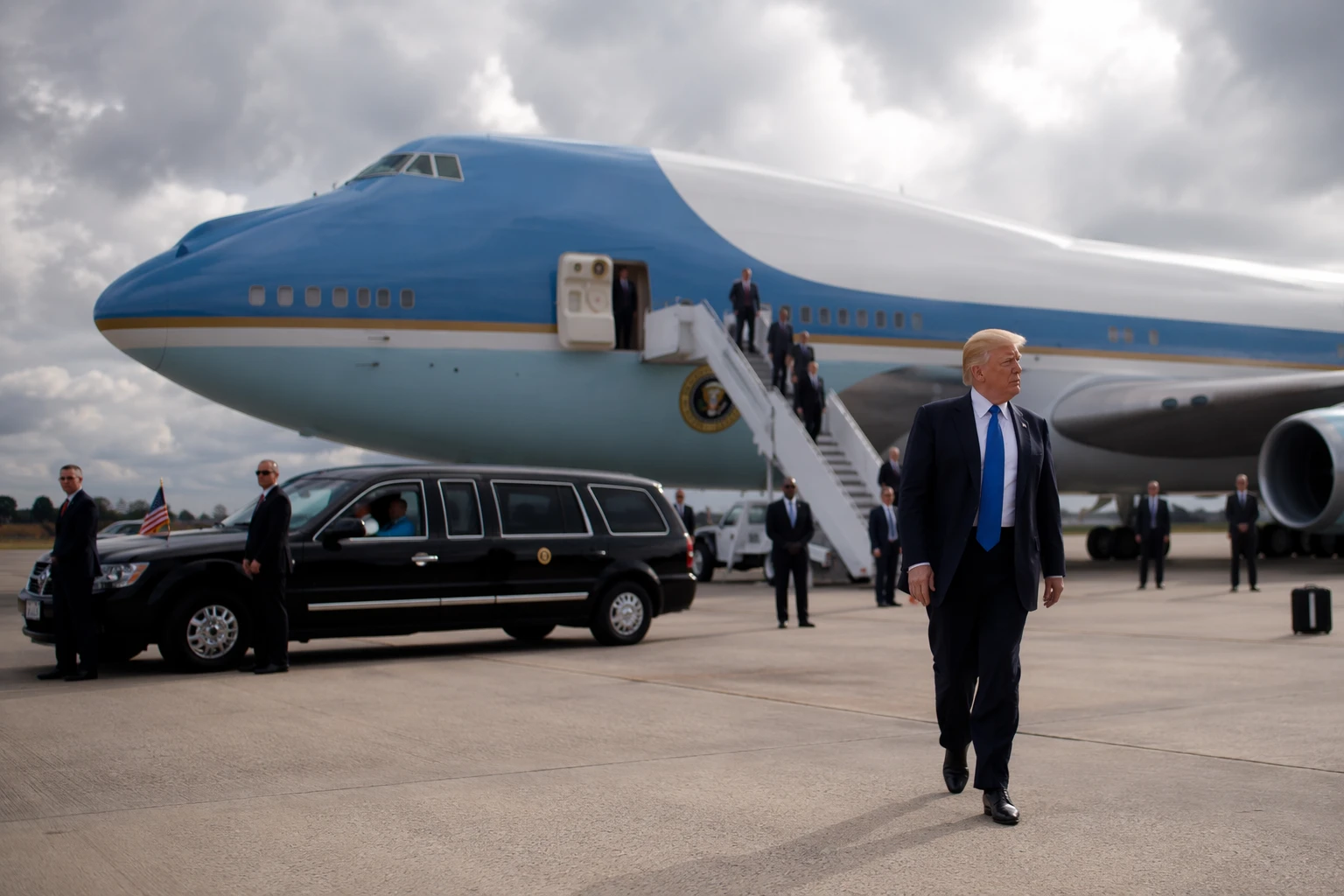
The next turn came in 1909, when President William Howard Taft transformed the White House stables into a garage and bought four automobiles. That move was more than a practical upgrade. It marked a visible handoff from horse power to the motor age, signaling that the presidency was entering a faster, more mechanical era of American life.
Cars changed how presidents could appear in public and how quickly they could move between obligations. They also fit a broader shift in the symbolism of the office: the president was no longer bound to the cadence of horses or rail schedules, but could travel with the pace of a modern industrial nation. In political terms, that mattered because mobility itself became a sign of control, competence, and modernity.
Flight turns presidential distance into leverage
Aviation raised the stakes even further. In 1910, Theodore Roosevelt became the first president to fly when he rode in a Wright Flyer, a brief but historic moment that placed the presidency inside the age of heavier-than-air flight. The image carried obvious force: the office that once depended on carriage roads and rail lines was now linked, however briefly, to the newest technology in human movement.
Franklin D. Roosevelt pushed that shift into the realm of governing when he became the first sitting president to travel by plane in 1943. That change mattered because the presidency had become a global office by then, with wartime diplomacy and military strategy demanding faster movement than rail or ship could provide. Air travel made it possible for a president to reach distant theaters of war, meet allies more quickly, and project leadership on a scale that matched the country’s expanding role in world affairs.
The jet age and the creation of Air Force One
The jet era gave presidential travel its most enduring symbol. On August 26, 1959, President Dwight D. Eisenhower used a Boeing VC-137B as the first jet used as Air Force One. That moment fused presidential mobility with jet-age speed and military technology, turning the aircraft into a visible extension of national power. It also showed how the presidency had become inseparable from the technologies that defined the United States as an advanced industrial and military state.
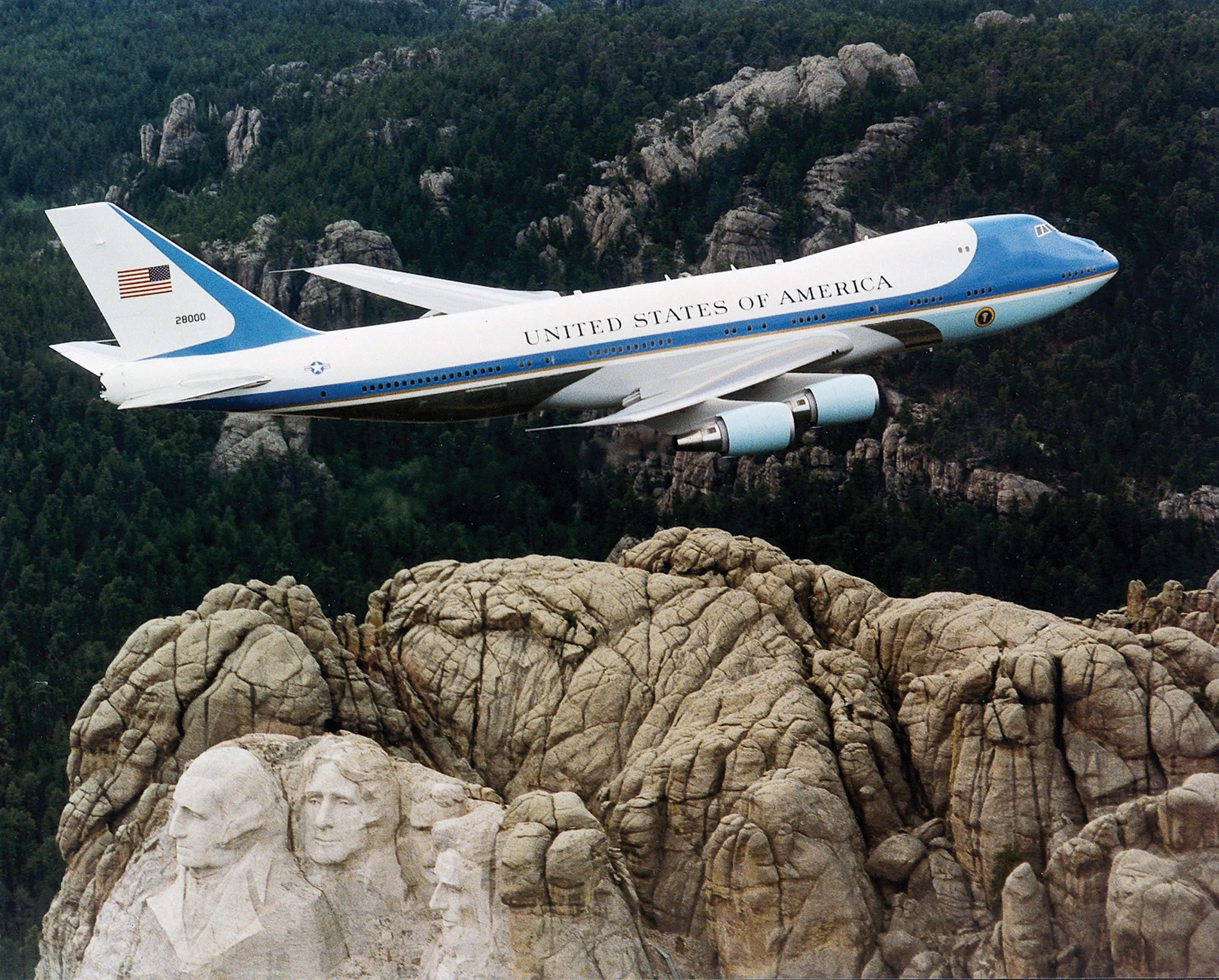
The first aircraft built specifically for presidential use entered service on October 10, 1962. From that point on, Air Force One became more than a plane. It became the call sign for any U.S. Air Force aircraft carrying the president, not a single aircraft, which is why the name can apply to different planes depending on the mission. Today, there are two nearly identical Boeing VC-25 aircraft in service as presidential aircraft, built to preserve continuity, security, and the unmistakable image of the presidency in motion.
Why the plane matters beyond transportation
Air Force One is recognized far beyond aviation circles because it condenses several ideas into one moving object: military command, national prestige, technological sophistication, and economic scale. A presidential aircraft has to do more than fly well. It has to signal that the United States can move its chief executive securely, quickly, and with enough capacity to carry out diplomacy anywhere in the world.
That symbolism is why presidential travel has always been about image-making as much as efficiency. Carriages projected ceremonial authority in a young republic. Rail suggested national reach in an expanding continental power. Automobiles signaled modern industry. Aircraft, and later jets, announced that the presidency could operate across oceans and time zones with the speed of a superpower.
Where the history is kept in view
This history is preserved not just in archives but in public institutions. The Museum of Flight in Seattle, Washington, and the National Museum of the U.S. Air Force in Dayton, Ohio, keep the story of presidential aviation in front of visitors who want to see how the office moved from land to air. Those collections help show that the story of presidential travel is also the story of how the United States saw itself at each technological turning point.
From George Washington’s era of horse-drawn travel to the VC-25s that carry the president today, each mode of transport has changed what the office can do and how the country sees it. The vehicle has never been a detail at the edge of the story. It has been part of the message, and often the message itself.