Health
How Psychedelics Alter Brain Circuit Function
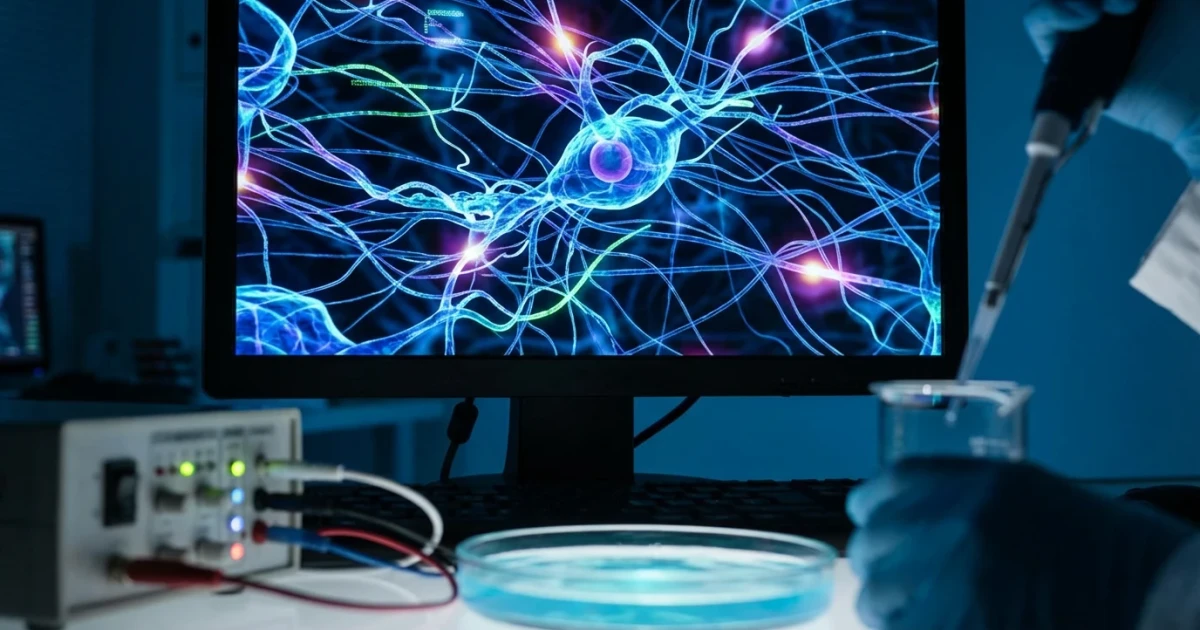
Psychedelic drugs are experiencing renewed scientific attention as researchers unveil new insights into how these compounds affect the brain’s circuitry. Recent international studies, highlighted by AOL.com and a Nature mega-analysis, are shedding light on the profound changes psychedelics provoke in brain function, with implications for mental health treatment and neuroscience.
Major Findings on Brain Circuit Changes
According to AOL.com, an international team of scientists conducted a large-scale analysis of brain imaging data from subjects under the influence of classic psychedelics such as LSD and psilocybin. The research, as published in Nature, synthesized data across multiple studies using functional MRI and other neuroimaging tools.
- The analysis found that psychedelics consistently increase communication between different brain regions that do not normally interact closely.
- These drugs appear to disrupt tightly regulated brain networks, leading to less compartmentalized and more globally connected patterns of activity.
- The LSD Resting-State fMRI Dataset provides raw imaging data supporting these findings, showing shifts in connectivity during psychedelic states.
Experts say this increased cross-talk may underlie the characteristic effects of psychedelics, such as altered perception, synesthesia, and changes in consciousness.
Mechanism of Action in the Brain
Psychedelics primarily exert their effects by binding to serotonin 2A receptors in the brain. This triggers a cascade of neural signaling that disrupts normal rhythmic activity, resulting in more flexible and less predictable brain states. According to the Nature study, the most pronounced changes were observed in areas related to:
- Self-perception and the sense of ego
- Visual and auditory processing
- Memory and emotion regulation
These effects have been mapped using compound-specific profiles, such as those in the psilocybin compound report card, which catalogues the molecular and bioactivity data for these substances.
Potential Clinical Implications
The disruption and reorganization of brain networks during psychedelic experiences are now being explored as potential mechanisms for treatment-resistant depression, PTSD, and other psychiatric conditions. Clinical trials, as listed in the ClinicalTrials.gov registry, are investigating whether these brain changes can facilitate lasting improvements in mental health by "resetting" dysfunctional neural circuits.
According to AOL.com’s coverage, this surge in research is prompting leading institutions to call for more rigorous studies to determine the long-term effects and therapeutic potential of psychedelics. While early results are promising, experts caution that more data is needed to fully understand the risks and benefits.
What This Means for the Future
The current wave of psychedelic research is transforming our understanding of consciousness and mental illness. By mapping how these substances rewire brain circuits at the molecular and systems level, scientists hope to unlock novel treatments and gain deeper insight into the human mind.
For readers interested in the basics, the National Institute on Drug Abuse offers an accessible explainer on psychedelics and their physiological effects.
As large-scale analyses continue and clinical trials expand, the scientific community remains focused on balancing the promise of psychedelics with careful, evidence-based assessment of their impact on brain health.