World
How Russia and the U.S. misread Ukraine and Iran, Brookings says
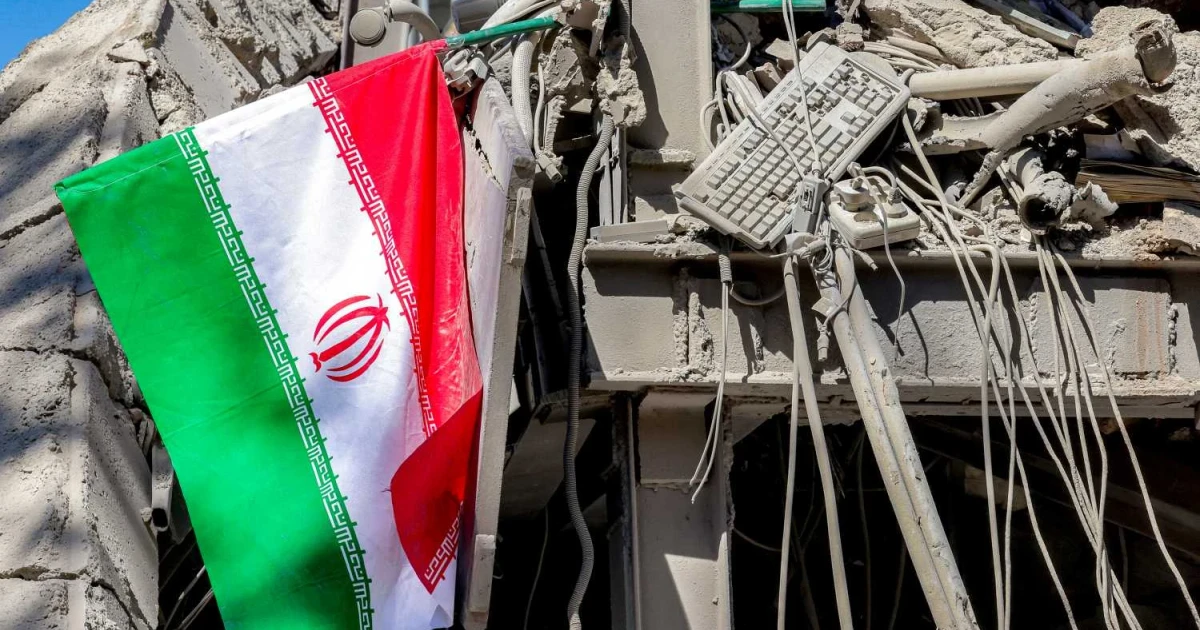
Brookings says Russia and the United States fell into the same trap: both leaders assumed a quick knockout would settle a complex conflict, and both ended up with longer wars that weakened their standing instead. Vladimir V. Putin expected to defeat Ukraine rapidly in February 2022. Donald Trump made a similar bet on Iran in February 2026, and neither gamble delivered the clean victory each side had imagined.
The result, Brookings argues, has been strategic blowback. Russia’s full-scale invasion turned Ukraine into one of Europe’s most capable military actors as Kyiv adapted fast on the battlefield. The Iran war exposed major shortfalls in American naval power, strained the U.S. alliance system, and contributed to what Brookings calls the largest disruption in the history of the oil market.
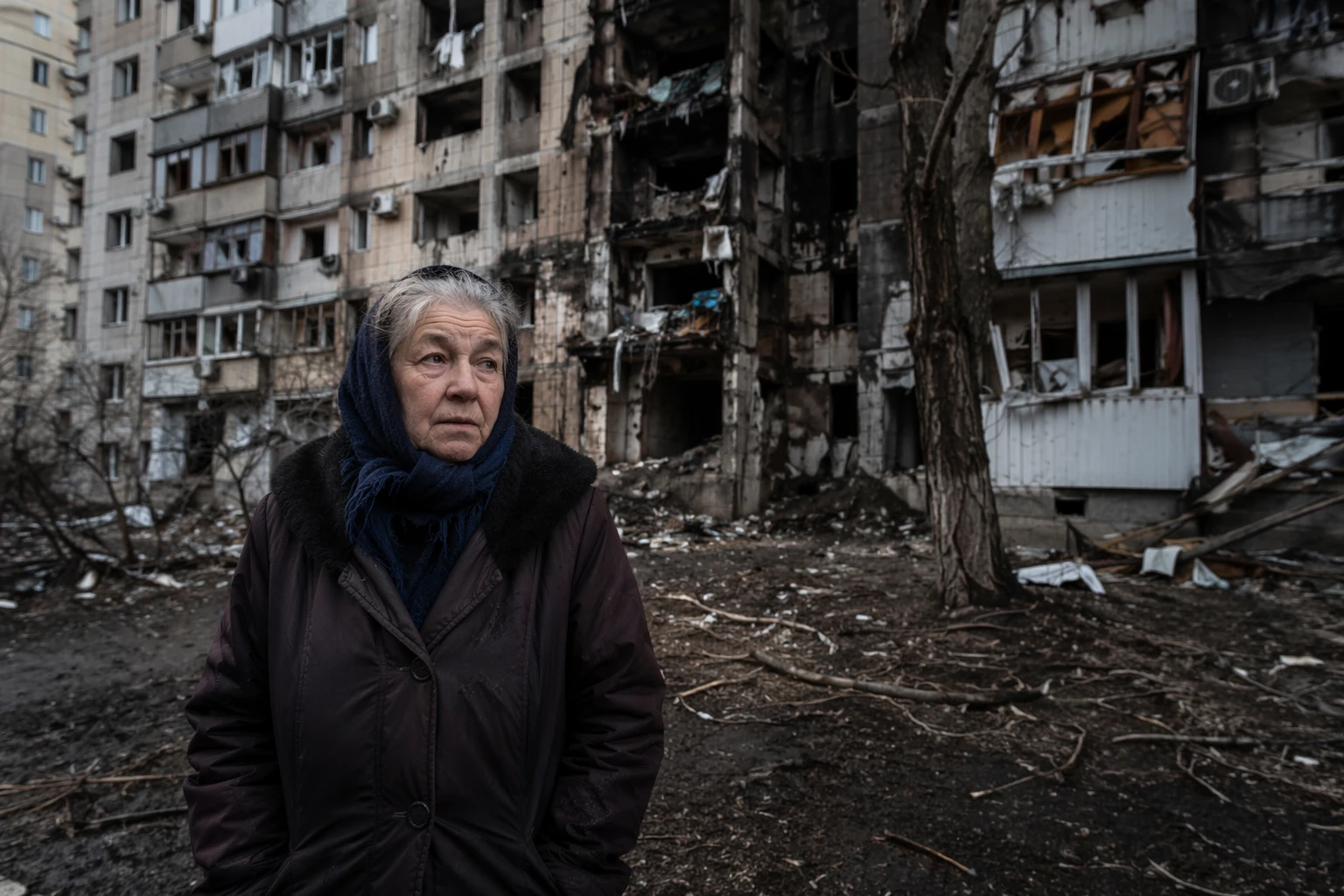
The most visible pressure point has been the Strait of Hormuz. Iranian threats to shipping pushed tanker transits far below normal levels, reviving memories of the 1980s Tanker War. During that period, Ronald Reagan’s administration mounted Operation Earnest Will from July 1987 to December 1989 to escort Kuwaiti tankers through the waterway. Brookings uses that history as a warning: maritime chokepoints can turn a regional war into a global economic shock.
The broader political lesson is just as stark. Brookings says both wars show the danger of relying on a single powerful actor for security, whether that actor is Moscow, Washington or a U.S.-backed regional partner. Trump’s failure to end the Ukraine war in the 24 hours he had promised also hurt U.S. credibility as a security provider, while the Iran conflict has deepened regional rivalries, accelerated Gulf states’ efforts to diversify defense and export routes, and made further Arab normalization with Israel less likely.
That backdrop will hang over the Group of Seven summit in Evian-les-Bains, France, from June 15 to 17. Wars in the Middle East and Ukraine are expected to dominate the agenda, and France is trying to keep the gathering focused on crisis management while avoiding a confrontation with Trump. For Washington, the warning signs are plain: promises of rapid decapitation, confidence that local politics will collapse on command, and faith that military power alone can control events in Ukraine, Iran or the Persian Gulf rarely end that way.
Sources
- [1]news.google.com
- [2]brookings.edu
- [3]reuters.com
- [4]nytimes.com