Entertainment
How Syracuse became a literary hub through writers and workshops
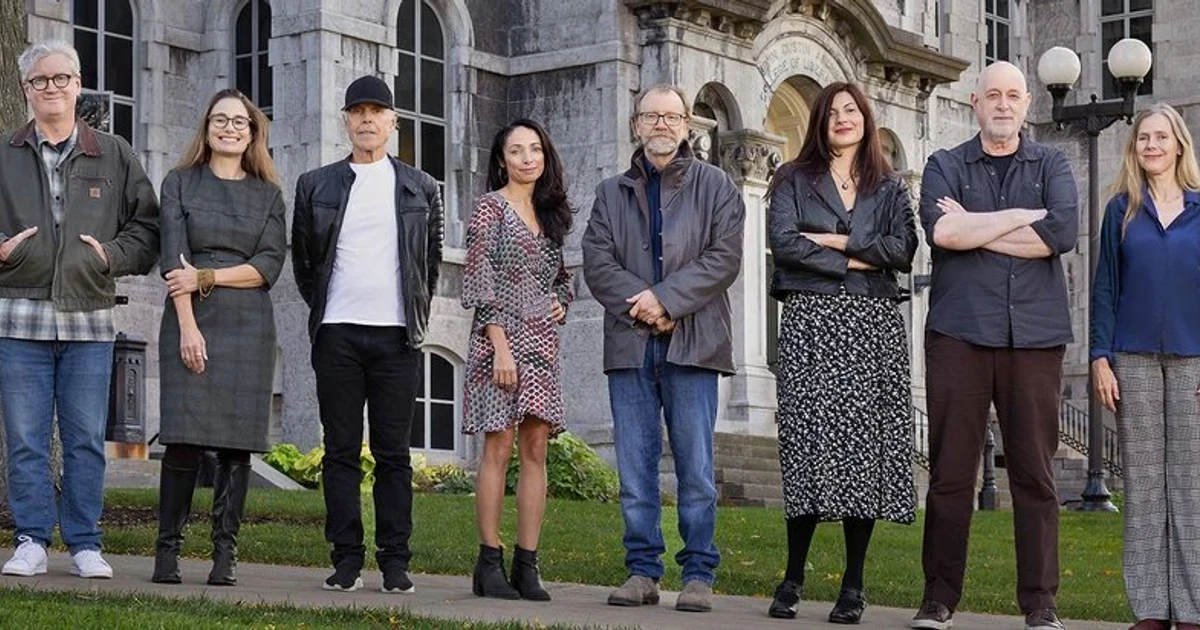
In the frozen shadow of shuttered factories, Syracuse built a literary life that depended less on glamour than on institutions: a university, a press, reading series and workshops that kept writers in close contact with one another. The city’s harsh winters and post-industrial austerity did not simply form a backdrop. They helped create the solitude, discipline and friction that have drawn serious writers to stay, work and teach.
A campus built a public audience
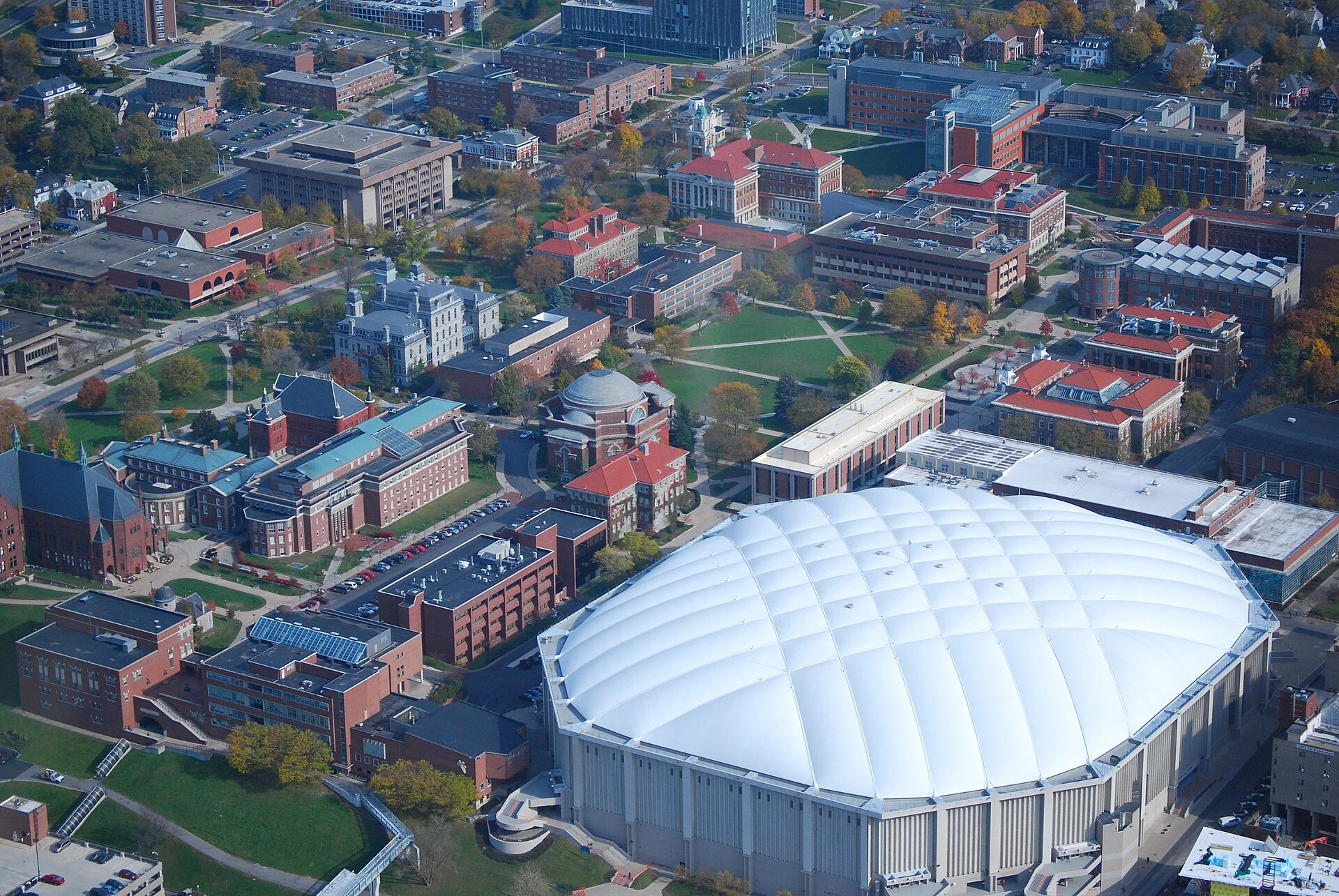
Syracuse University’s Creative Writing B.A. dates to 1962, a fact marked in 2012 when faculty and alumni celebrated the program’s first 50 years. That timeline matters because it shows the city’s literary identity was built deliberately, through curriculum and continuity rather than one famous name. The program sits inside the university’s larger English and arts infrastructure, giving students a place where literary study is not an extracurricular pursuit but part of the academic core.
The Raymond Carver Reading Series is one of the clearest expressions of that model. It brings twelve to fourteen prominent writers to campus each year and is tied to a large undergraduate class taught by teaching assistants from the Creative Writing Program. The format is not passive: each reading includes an extended question-and-answer session, which turns visiting authors into working interlocutors rather than distant celebrities. In a smaller, colder city, that repeated contact gives students and local readers a level of access that many coastal literary scenes reserve for insiders.
Publishing that anchored the city
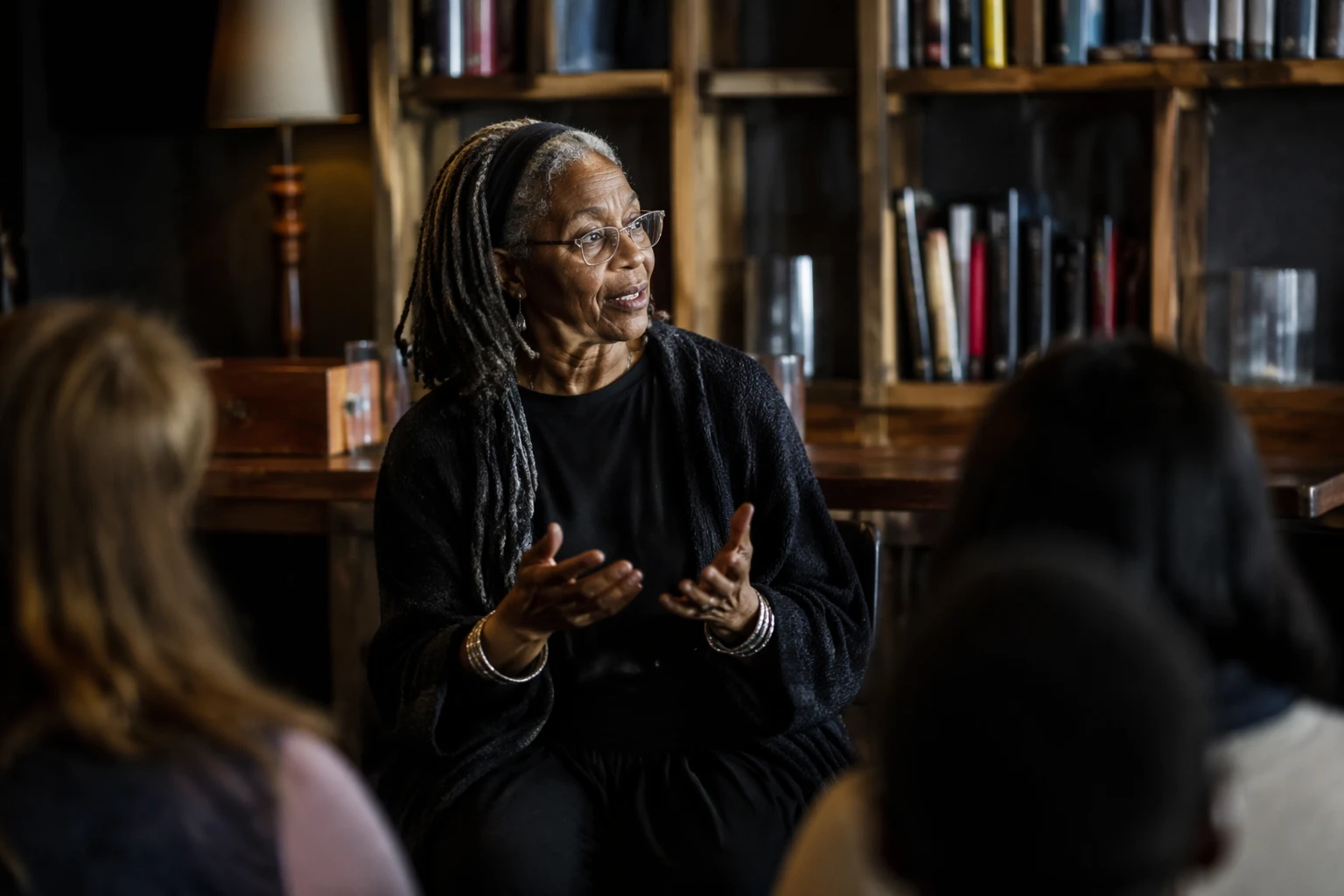
Syracuse University Press deepened that ecosystem when it was founded in 1943. The press says it publishes books on New York State history, culture and literature, which gives the city a publishing arm tied directly to place instead of chasing only national trends. It also says it has published groundbreaking works, a reminder that regional publishing can shape fields well beyond the local market.
That editorial identity has continued to evolve without losing its Syracuse base at 621 Skytop Road. In spring 2023, the press’s new director said, “When I started as the Press’s new director in spring 2023, I knew about its history of publishing smart, innovative books in Middle Eastern, Irish, and Jewish studies...” That combination of regional focus and wider intellectual reach helps explain why the city’s literary culture has endured: writers, editors and scholars have had a place to work not just on craft, but on the infrastructure that carries literature into the world.

Writers who made the place legible
The city’s reputation became even more visible through the writers it held onto, however briefly. David Foster Wallace wrote much of Infinite Jest while living in an apartment near the Syracuse University campus in the early 1990s, dividing his time between the 1,088-page satire on modern-day Americana and being “the life of the party.” That detail captures the contradiction Syracuse can produce: long, demanding work made in a city that can feel physically and socially enclosed, but also energized by campus life and dense intellectual community.
Toni Morrison is another defining figure in that literary lineage. She remains closely tied to Syracuse through the university’s literary ecosystem, which continues to honor her legacy in scholarship and public discussion. Her presence shows that Syracuse’s literary importance is not limited to the production of books. It also includes the ongoing interpretation of them, especially through a university that keeps revisiting the work of major writers rather than treating their reputations as static monuments.
Beyond the university, writing stays public
Syracuse’s literary culture does not stop at the campus boundary. The YMCA of Central New York’s Writers Voice is described as the CNY region’s only community center for writing, a rare designation in a city where access to arts institutions can shape who gets to call themselves a writer. Community workshops matter here because they widen the pipeline beyond degree programs, allowing people outside the university to participate in sustained writing practice.
That broader network is part of what makes Syracuse more than a nostalgic story about famous names passing through a Midwestern-feeling college town. It is a case study in how place shapes literature through structure: a B.A. program that started in 1962, a reading series that brings twelve to fourteen writers a year into conversation with students, a university press founded in 1943, and a community writing center that reaches beyond campus. What Syracuse offers is not coastal scale or literary spectacle, but a tighter system where solitude, rigor and public access can still coexist. As long as those institutions keep working together, the city remains a place where writers are not only celebrated, but made.
Sources
- [1]nytimes.com
- [2]artsandsciences.syracuse.edu
- [3]press.syr.edu
- [4]syracuse.com
- [5]ymcacny.org