Sports
How the Dolomites shaped Jannik Sinner into tennis's world No. 1
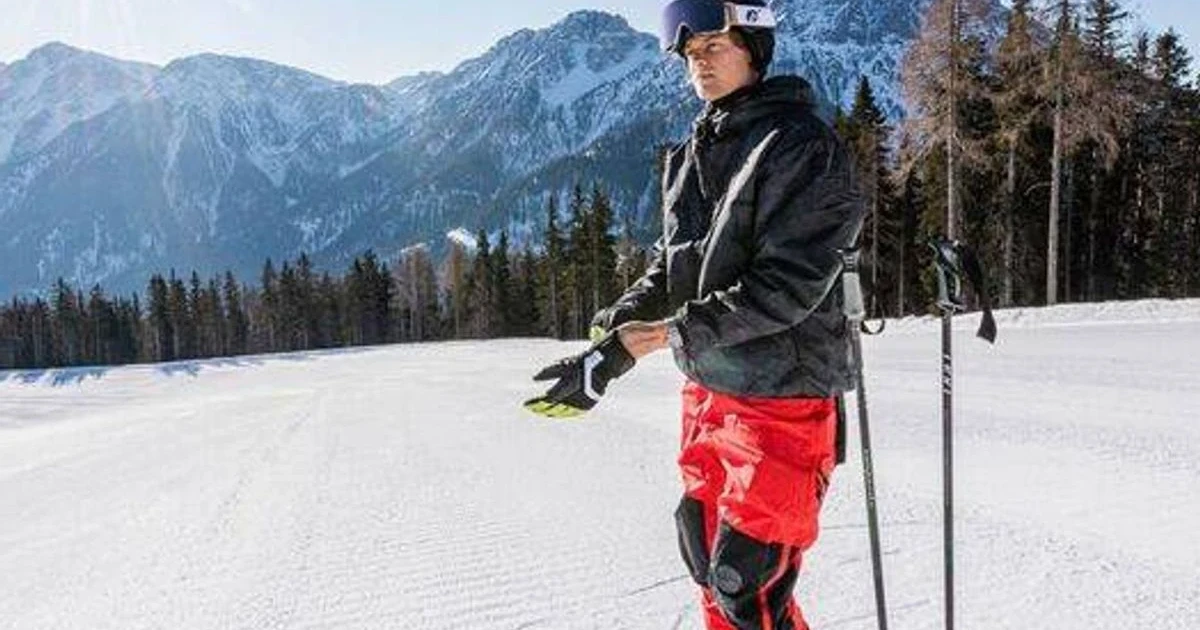
Jannik Sinner did not come from a traditional tennis capital. He came from Sexten, a mountain village in the Dolomites near the Austrian border, where winter sport, self-reliance and distance from the game’s big-city centers shaped the habits that carried him to the top. Born in San Candido on August 16, 2001, and raised in a largely German-speaking corner of South Tyrol, he turned a remote upbringing into a competitive edge.
A mountain childhood built on discipline
Sinner’s early life was defined by movement, but not first by tennis. He began playing the sport at age 7, yet the ATP says he was an Italian champion skier from ages 8 to 12, and he still skis in the offseason. That background matters because it explains the kind of athlete he became: balanced, cold-blooded under pressure, and comfortable with repetition, balance and risk.
In a place like Sexten, winter sport is not a hobby layered on top of daily life. It is part of the social fabric, and for a young athlete that environment normalizes training, weather, and sacrifice in a way that flat, urban tennis cultures often do not. Sinner’s childhood nickname, “the Fox,” fits that image of a player formed by alertness, patience and instinct rather than by flash alone.
Why his family’s choices mattered
Sinner has said he is grateful to his parents for teaching him independence and for allowing him to leave home so young to pursue his dream. That choice was not cosmetic. At 13, he fully committed to tennis and left home for Bordighera, Italy, where he trained at Riccardo Piatti’s academy, a decisive move that shifted him from regional promise to professional trajectory.
The family decision to let him go early is central to understanding his rise. Elite tennis often demands that children leave the environments that first produced them, and Sinner’s path shows how a supportive household can make that break possible without severing identity. He did not abandon the Dolomites psychologically when he left; he carried its habits with him, translating mountain discipline into the routines of tour-level tennis.
From remote village to global tennis system
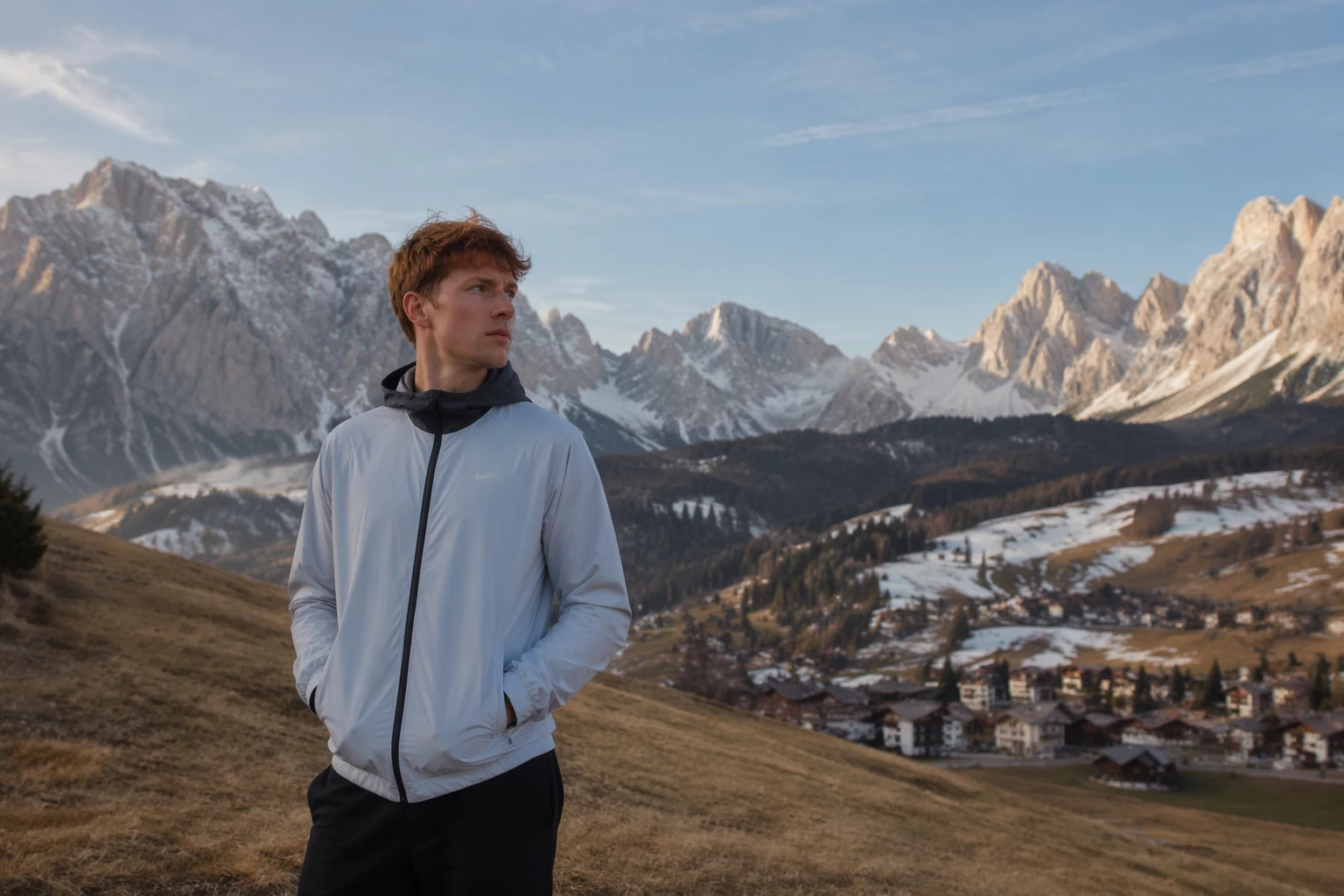
Sinner’s story is also about what happens when talent emerges far from the sport’s main production lines. A village like Sexten is not where most future No. 1 players are expected to be found, yet it created the conditions for a rare kind of athlete: one who grew up with skiing, soccer and outdoor endurance before fully embracing tennis. The result was not a conventional tennis childhood, but a broader athletic base that gave him a different physical and mental profile.
That profile was sharpened in Bordighera under Riccardo Piatti, where early promise had to survive structured coaching and the demands of full-time competition. The contrast between a mountain upbringing and an academy setting is part of Sinner’s identity. He is at once a product of a small, remote community and of a professional system that recognized what that community had already built.
The climb to No. 1
Sinner’s ascent reached a defining milestone on June 10, 2024, when he became the first Italian man to reach No. 1 in the ATP rankings. The ATP also described him as the 29th player ever to hold that position, a reminder of how rare the achievement is even in the modern game. For Italy, the significance went beyond one player; it marked a breakthrough in a sport long dominated at the top by other national pipelines.
By 2025, his résumé had grown further, including his first Wimbledon title on July 13, 2025. Wimbledon reported that he dethroned Carlos Alcaraz 4-6, 6-4, 6-4, 6-4, a scoreline that reflected not just talent but composure after dropping the opening set. That victory confirmed that his rise was not limited to one surface or one moment. It also showed how the controlled mentality shaped in the Dolomites could hold up under the glare of tennis’s most prestigious stages.

Scrutiny arrived with success
Success did not shield Sinner from controversy. In 2025, he accepted a three-month ban in a doping case settlement tied to accidental clostebol contamination. His lawyer said criticism of the settlement was unfair, placing the episode in the category of contested discipline rather than proved intent. The case complicated the narrative around his rise, even as his results kept him among the sport’s central figures.
That scrutiny is part of the modern reality for top athletes, especially those who become symbols as quickly as Sinner did. The public tends to compress complex cases into simple judgments, but the more useful view is institutional: how governing bodies, legal counsel and public opinion shape the way excellence is interpreted. In Sinner’s case, the result was a test not only of reputation but of resilience under formal pressure.
What the Dolomites produced
Sinner’s rise is a reminder that small, remote communities can become pipelines for world-class talent when they produce the right mix of habits, freedom and belief. The Dolomites gave him winter-sport toughness, a borderland identity and the space to develop away from the noise that often surrounds elite junior sports. His parents’ willingness to let him leave early, and his own decision to commit fully at 13, turned that local foundation into a global career.
He entered 2026 still among the leading players in the sport, but his significance is already larger than his ranking. Sinner has become proof that the road to No. 1 does not always run through the obvious centers of power. Sometimes it begins in a mountain village, on skis, with a child learning how to move alone.
Sources
- [1]bbc.co.uk
- [2]atptour.com
- [3]wimbledon.com
- [4]news.sky.com