Technology
How the ‘Physical AI’ Up-Cycle Is Redefining Tech Investment Strategies
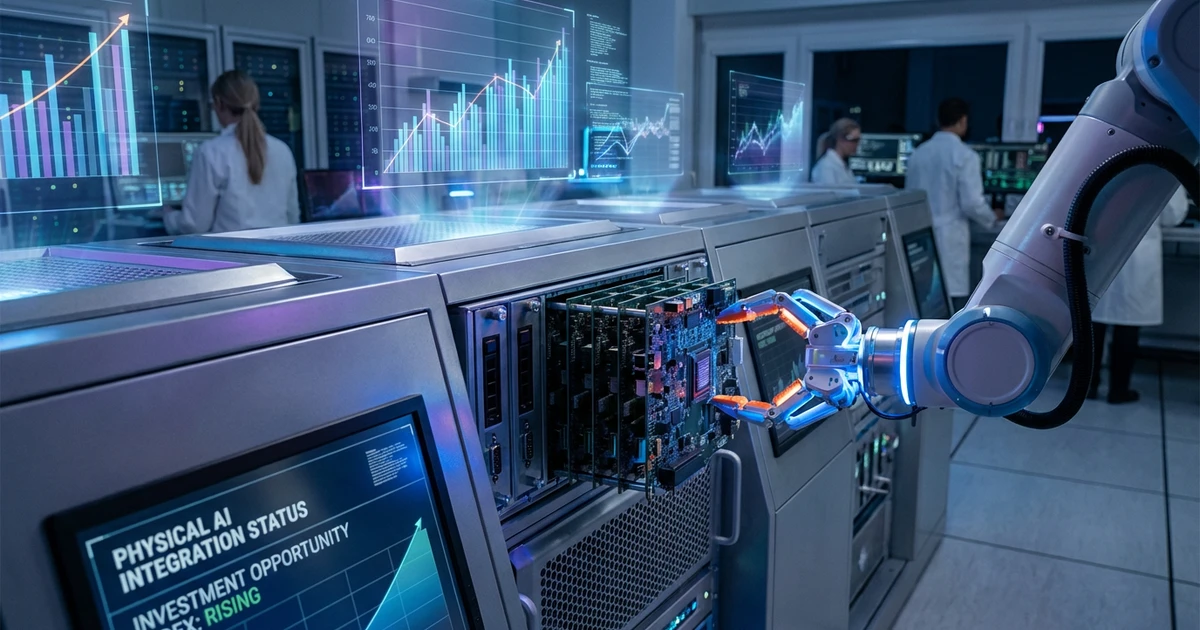
Artificial intelligence is entering a new era—one where the technology doesn’t just power software, but increasingly interacts with and transforms the physical world. Industry leaders are calling this shift the ‘Physical AI’ up-cycle, and it’s already reshaping the landscape for tech investors and businesses alike.
Understanding the ‘Physical AI’ Up-Cycle
This emerging phase goes beyond traditional AI applications like chatbots and data analytics. In the ‘Physical AI’ up-cycle, artificial intelligence is embedded within hardware and systems that directly impact manufacturing, logistics, healthcare, and other sectors. This includes robotics, smart sensors, autonomous vehicles, and advanced automation solutions that are poised to revolutionize how industries operate.
Key Opportunities and Investment Themes
- Advanced Robotics: Factories and warehouses are rapidly adopting robotic arms and automated guided vehicles powered by AI for greater efficiency.
- Autonomous Transportation: Self-driving cars, trucks, and drones are leveraging physical AI to navigate complex environments, with major implications for supply chains and urban mobility.
- Intelligent IoT: AI-enabled sensors and devices are gathering and interpreting data in real time, enabling predictive maintenance and smarter resource management.
- Healthcare Innovation: Physical AI is being deployed in surgical robots, diagnostic devices, and patient monitoring tools, leading to improved outcomes and operational efficiencies.
Expert Advice for Navigating the Up-Cycle
Experts quoted in ETF Trends emphasize the importance of understanding how AI integration creates value beyond software. Companies that successfully bridge the digital and physical realms are expected to command premium valuations, as they address both rising labor costs and the demand for higher productivity.
Investors are encouraged to look for businesses with a sustainable edge in applying AI to physical systems, including those with proprietary hardware, robust data pipelines, and strong partnerships with leading technology providers. Diversification across multiple industries—such as manufacturing, logistics, and healthcare—may help mitigate risk in this evolving space.
Challenges and Considerations
While the opportunities are substantial, experts also caution about the challenges ahead. High upfront capital expenditures, long development cycles, and regulatory hurdles may slow adoption in certain sectors. Additionally, competition among global technology leaders is intensifying, making it critical for investors to track both innovation and execution.
Looking Ahead: The Future of Physical AI
As the ‘Physical AI’ up-cycle accelerates, experts believe it will unlock significant productivity gains and new business models. Investors who stay informed and agile can capitalize on this generational shift, but must remain mindful of the risks inherent with transformative technologies. For those interested in the intersection of AI and the tangible world, the time to engage with the ‘Physical AI’ story is now.
Sources
- [1]ETF Trends