Lifestyle
How to Achieve Restaurant-Quality Salmon at Home
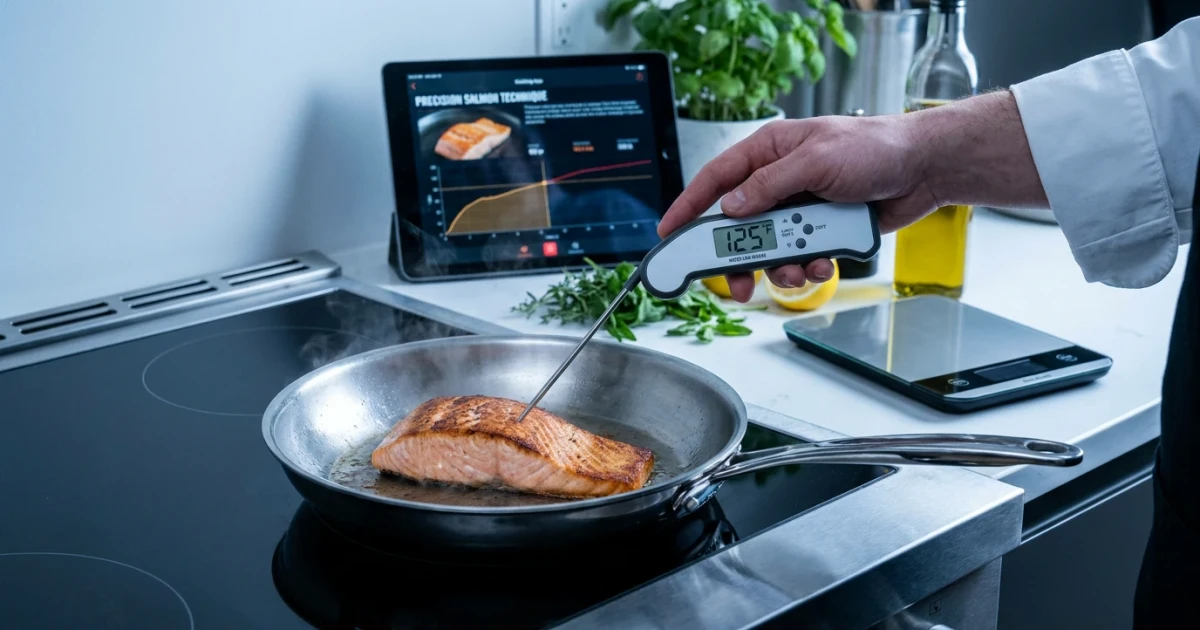
Salmon has long been a favorite on restaurant menus for its rich flavor, delicate texture, and versatility. But for many home cooks, replicating that perfectly crisp yet tender salmon can be a challenge. The Washington Post recently highlighted a simple but transformative trick that helps bring restaurant-quality results to your own kitchen. By exploring expert advice, official nutrition data, and industry insights, home chefs can master salmon preparation and enjoy both health benefits and gourmet flavor.
The Key Technique for Perfect Salmon
The Washington Post points to a crucial step that separates restaurant salmon from most home-cooked attempts: properly drying the salmon fillet before cooking. Moisture on the surface of fish leads to steam, which prevents the formation of a crisp, golden-brown crust. By thoroughly patting the salmon dry with paper towels, you set the stage for restaurant-style searing in a hot pan or under a broiler.
This advice is echoed by other culinary guides, such as Cooking Light's explainer on salmon cooking techniques, which emphasizes the impact of moisture removal on surface browning and flavor. Once dried, lightly seasoning the salmon and cooking it skin-side down in a preheated pan maximizes crispness and helps prevent sticking.
Additional Tips for Success
- Room Temperature: Allow salmon to rest at room temperature for 15-20 minutes before cooking for even doneness.
- High Heat: Use medium-high to high heat for searing and avoid crowding the pan.
- Minimal Handling: Let the fish cook undisturbed for several minutes to develop a crust before flipping or finishing under a broiler.
- Internal Temperature: Aim for an internal temperature of 125-130°F for moist, tender results.
These techniques are supported by both chefs and food scientists, ensuring consistent results for home cooks.
Nutritional Benefits of Salmon
Beyond its culinary appeal, salmon is widely recognized for its health benefits. According to USDA FoodData Central, a 100-gram serving of raw Atlantic salmon provides approximately 20 grams of protein, 6 grams of fat (largely unsaturated), and is a rich source of omega-3 fatty acids, vitamin D, and selenium. Salmon is also relatively low in mercury, as noted in FDA seafood consumption guidance, making it a safe and nutritious choice for most people.
Understanding Salmon Sourcing and Sustainability
For those interested in where their salmon comes from, the NOAA Fact Sheet on Salmon Aquaculture outlines U.S. production methods, sustainability efforts, and market data. The United States is both a major consumer and producer of salmon, with most domestic supply coming from sustainable aquaculture practices. Consumers can look for certifications or ask at their fish counter about sourcing to ensure responsible choices.
Getting Creative with Preparation
Once the basics are mastered, home cooks can experiment with different techniques, from pan-searing and roasting to grilling and poaching. The Seafood Handbook's entry on salmon offers detailed background on species, flavor profiles, and suggested cooking methods. Whether served simply with salt and pepper or dressed up with sauces and accompaniments, salmon adapts well to a variety of cuisines.
Conclusion
With one simple trick—thoroughly drying the salmon before cooking—home chefs can reliably achieve restaurant-quality results. Combined with proper handling, a hot pan, and attention to doneness, this approach unlocks the potential of salmon for both flavor and nutrition. As U.S. production and sustainability practices continue to evolve, salmon remains a delicious and healthful centerpiece for home dining.